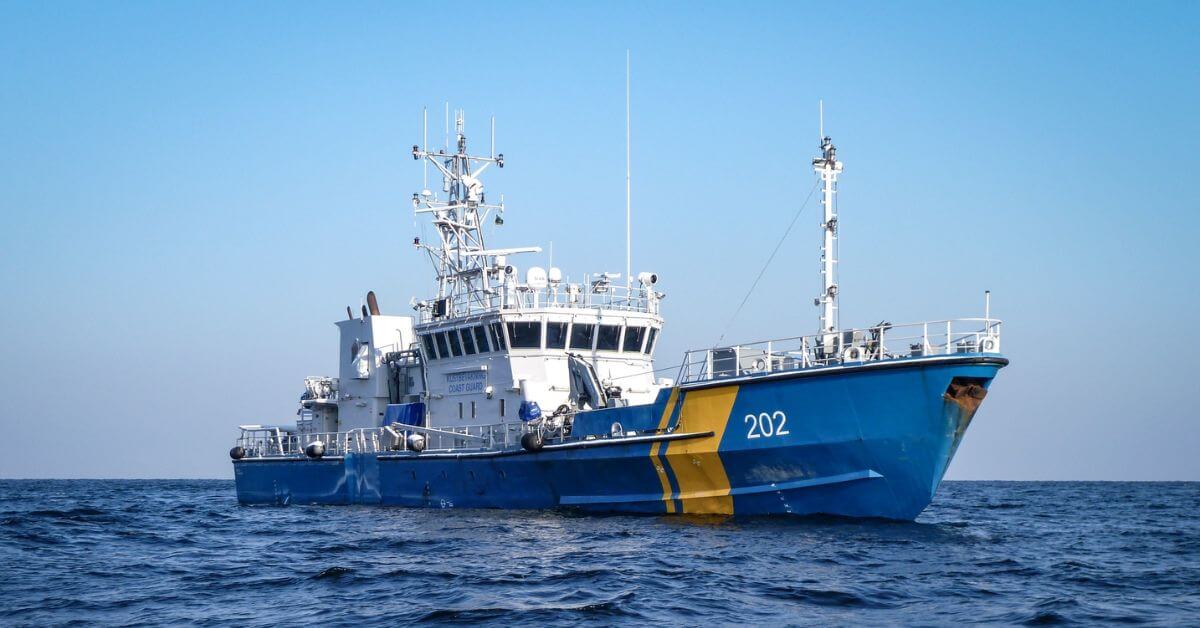
The recent incident involving the vessel Flora 1 and the subsequent investigation by the Swedish Coast Guard following the detection of an oil slick east of Gotland island underscores a critical and recurring challenge in marine stewardship. While the specific details of the investigation and any subsequent findings are yet to be fully disclosed, the event serves as a tangible reminder of the constant vigilance required to protect our ocean environments from anthropogenic impacts. Such occurrences highlight the necessity of robust monitoring systems, swift investigative protocols, and the ongoing development of technologies that can detect and attribute pollution events with precision.
At World Data Ocean, our focus is on transforming raw data into actionable intelligence that supports precisely these efforts. The ability to rapidly identify the source and scale of an oil spill, for instance, is paramount for effective response and remediation. This requires an integrated data ecosystem that can synthesize information from a variety of sources, including satellite imagery, in-situ sensors, and vessel tracking systems. Validated, real-time data allows authorities to respond more efficiently, minimizing environmental damage and facilitating the identification of responsible parties. Our commitment lies in developing and deploying the advanced analytical tools that make this level of immediate and accurate assessment possible, contributing directly to the preservation of marine health.
The incident with Flora 1, regardless of its ultimate resolution, emphasizes the importance of a global, collaborative approach to ocean protection. Environmental incidents rarely respect national borders, and effective management necessitates international cooperation and the sharing of best practices and data. By fostering an environment where scientific findings are openly shared and technologies are leveraged for collective benefit, we can build a more resilient future for our oceans. This shared responsibility extends to all stakeholders, from the scientific community and regulatory bodies to the maritime industry itself, all working in concert to ensure that our vital marine ecosystems are safeguarded for generations to come. Understanding drives protection, and through continued innovation and collaboration, we can significantly enhance our capacity to meet these pressing environmental imperatives.