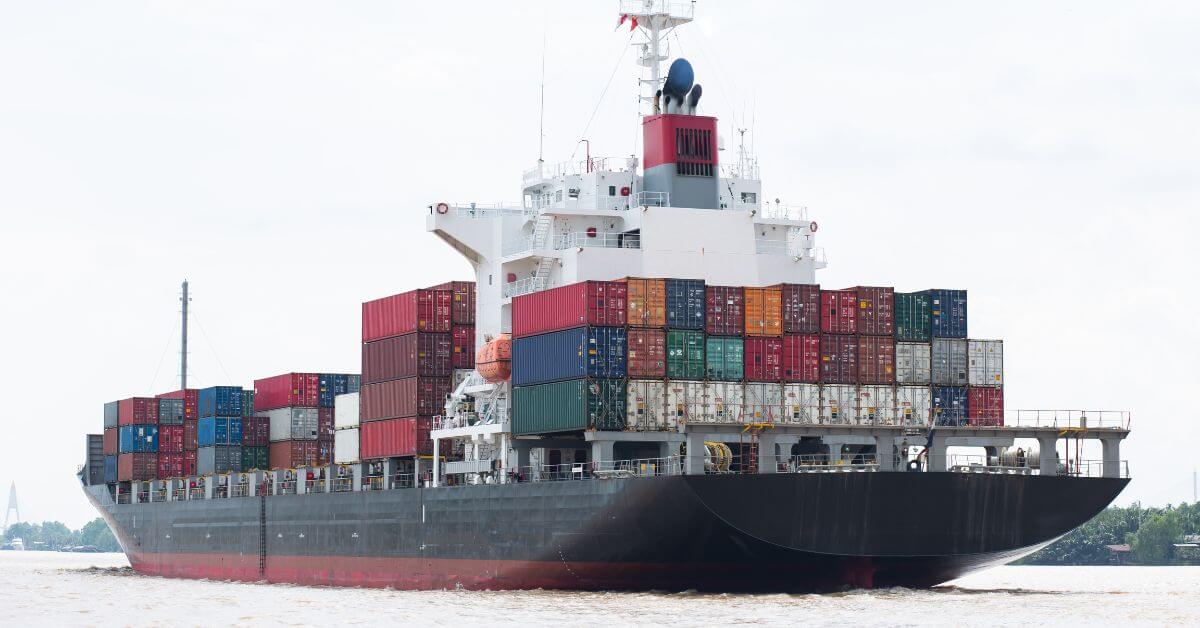
The decision by Global Ship Lease to secure a $1 billion loan for 15 new containerships is a signal worth reading carefully. It tells us that disciplined investment in modern ocean infrastructure is not just viable, it is being rewarded by an increasingly sophisticated financial market. This is not a speculative gamble; it is empirical evidence that the maritime industry is calibrating for a future defined by efficiency, long-term charter commitments, and measured growth.
For our readers who track the intersection of ocean commerce and global climate indicators, the practical implications are twofold. First, the financing terms themselves are a story. The interest margin of 1.5% above SOFR is 550 basis points lower than what the company could secure five years ago. That is not a minor improvement; it reflects years of balance-sheet strengthening and operational integrity recognized by a syndicate of eight international lenders led by Bank of America and supported by institutions including Bank of China (Hong Kong) and ABN-AMRO. When capital markets reward a shipping company at these rates, it suggests the lenders, who are not altruists, have validated the underlying business model. Second, all 15 vessels already have charter contracts secured. This means the ships will begin generating revenue almost immediately upon delivery, reducing financial risk while adding measurable capacity to the global container fleet. Compare this to the speculative fleet expansions that often make headlines; here, the demand is pre-validated.
The timing of these deliveries, late 2028 through early 2030, places these vessels squarely in the decade when climate commitments must be backed by real-world data. As we noted in our coverage of the 6,000-nautical-mile delivery signals a new chapter for ocean-going vessel, the practical challenges of moving assets across oceans are far from trivial. And while the Oceania Sonata: A New Era of Luxury Cruising Takes Shape represents a different segment entirely, both stories underscore the same truth: the ocean economy is being rebuilt with multi-year visibility, not short-term bets. Global Ship Lease's approach, staggered drawdowns, long charters, and an average remaining charter term of 3.3 years (4.4 years when charterer options are included), shows a company designing for operational and financial stability.
What remains to be watched is the fleet's average age of 18.4 years. The 15 new ships will improve that metric, but Global Ship Lease also exercised options in October 2026 for two more mid-sized vessels with ultra-high reefer capacity. As ocean intelligence improves, the ability to track emissions, fuel efficiency, and cargo utilization across older and newer hulls will become a measurable differentiator. The question is not whether this expansion will happen, the contracts and financing are locked, but whether the industry can integrate the real-time operational data from these new vessels into a broader understanding of maritime climate impact. The loan is signed; the real work begins when the first ship leaves the yard.