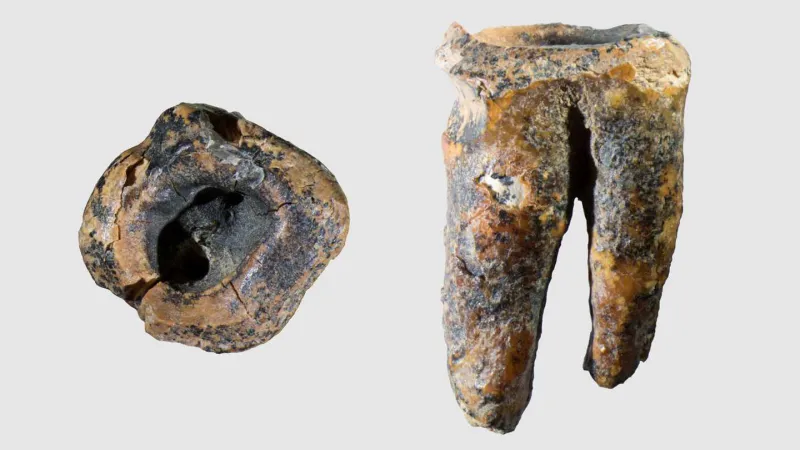
The recent discovery of a 59,000-year-old Neandertal molar, which shows evidence of being drilled with a stone tool, marks a significant milestone in our understanding of early human behavior and capabilities. This finding not only provides the earliest evidence of primitive dentistry but also invites us to reconsider the cognitive and cultural advancements of Neandertals. As we explore the implications of this discovery, it is essential to recognize how our understanding of ancient civilizations can shed light on contemporary issues, such as the evolution of human health practices. For instance, just as we uncover ancient practices, we must also examine the relationship between marine environments and human health, as discussed in articles like Beneath the waves, the ocean holds a hidden record of our planet’s changing climate. Most of the Earth's excess heat is....
The evidence of dentistry suggests that Neandertals possessed an understanding of health and bodily maintenance that was previously underestimated. This insight into their lives not only humanizes these ancient relatives but also emphasizes the continuity of dental practices throughout human history. The ability to care for one’s teeth is indicative of a broader awareness of health and hygiene, which is a cornerstone of modern medical practices. Just as our ancestors employed rudimentary tools for dental care, we continue to evolve our methods and technologies, underscoring the importance of integrating historical insights into our current health paradigms.
Moreover, the discovery resonates with contemporary themes in scientific research, particularly regarding the implications of climate change on health and well-being. Just as Neandertals adapted to their environments, modern societies must navigate the complexities of a changing world—one where ocean health directly impacts human health. The urgent need to understand and protect our oceans is echoed in discussions around climate indicators and their effects on marine ecosystems. For example, the Marine Mammal Vertebra? Outer Hebrides article highlights the importance of marine biodiversity as a reflection of ocean health, which in turn influences our well-being.
In light of these connections, the Neandertal molar discovery serves as a reminder of our shared responsibility to learn from the past while actively engaging with the present. The interplay between our ancestors' innovations and modern scientific advancements underlines the continuity of human ingenuity. As we strive to understand the complexities of our environment and health, we must remain vigilant in our stewardship of the oceans, as they hold both historical and contemporary significance.
Looking ahead, the implications of such discoveries prompt us to ask: how can we leverage our historical understanding of human behavior to inform future health practices and environmental policies? As we delve deeper into the past, we must remain committed to fostering a collaborative approach to ocean stewardship and health, ensuring that the lessons of history guide our actions in the present and shape a sustainable future for generations to come.