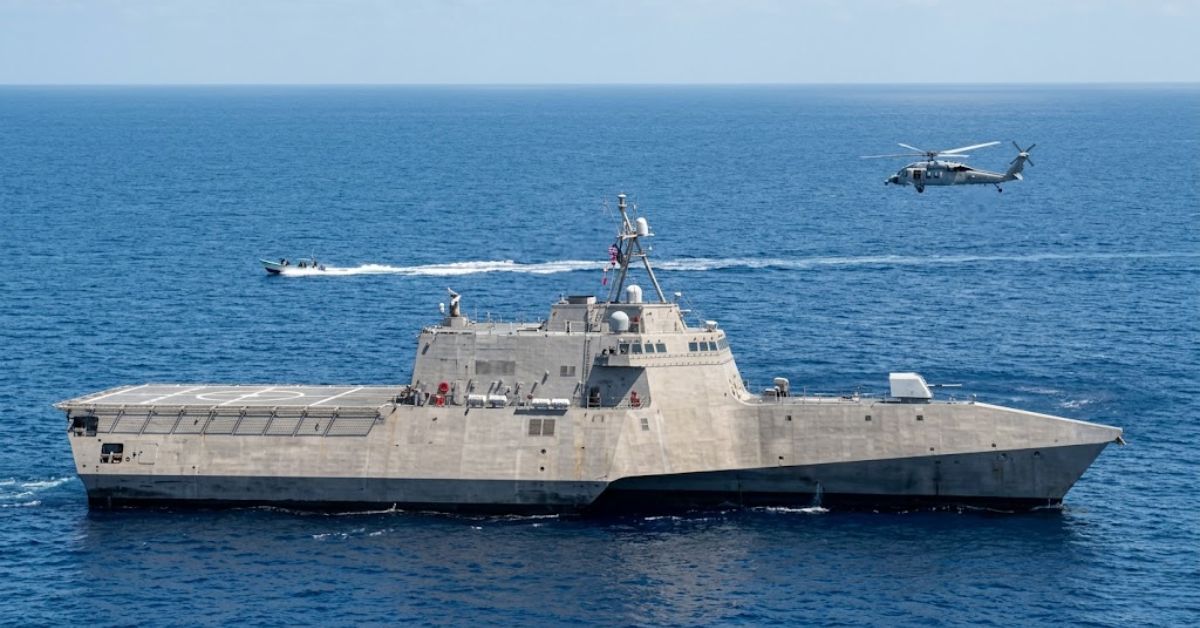
The recent tragic boat strike in the Caribbean, resulting in a significant loss of life and bringing the total to 163 since the inception of U.S. operations targeting individuals labeled as "narcoterrorists," underscores a critical and often overlooked dimension of global maritime activity. While the immediate focus may be on the human cost and the geopolitical context, this event serves as a stark reminder of the complex interplay between human actions, environmental pressures, and the imperative for robust data-driven understanding. World Data Ocean is committed to illuminating these interconnected realities, providing the validated, measurable insights necessary to navigate such challenging scenarios with greater foresight and, ultimately, to foster safer and more sustainable maritime environments.
Such incidents highlight the urgent need for comprehensive, real-time data collection and analysis across our oceans. The effectiveness of any operational strategy, regardless of its stated objectives, can be profoundly impacted by a lack of integrated data that accounts for ecological factors, vessel traffic patterns, and the broader socio-economic landscape. Our work in building an integrated data ecosystem aims to bridge these informational gaps. By leveraging advanced technologies to capture and process information from orbit to ocean floor, we strive to provide the empirical evidence required by policymakers, researchers, and operational commanders alike. This approach moves beyond anecdotal accounts or isolated incidents to build a longitudinal understanding of maritime dynamics, enabling more informed decision-making and proactive risk mitigation.
The data we collect and disseminate is not merely statistical; it is foundational to understanding the cascading effects of human activity on our planet's most vital resource. Each validated finding, each peer-reviewed analysis, contributes to a clearer picture of the challenges we face. The rising death toll in this context, while deeply regrettable, compels us to advocate for an approach grounded in scientific integrity and collaborative intelligence. Understanding drives protection, and it is through the diligent application of ocean intelligence that we can hope to prevent future tragedies and ensure the health and security of our global waters for generations to come.