Our Take: Navigating Immense Scales for Ocean Intelligence
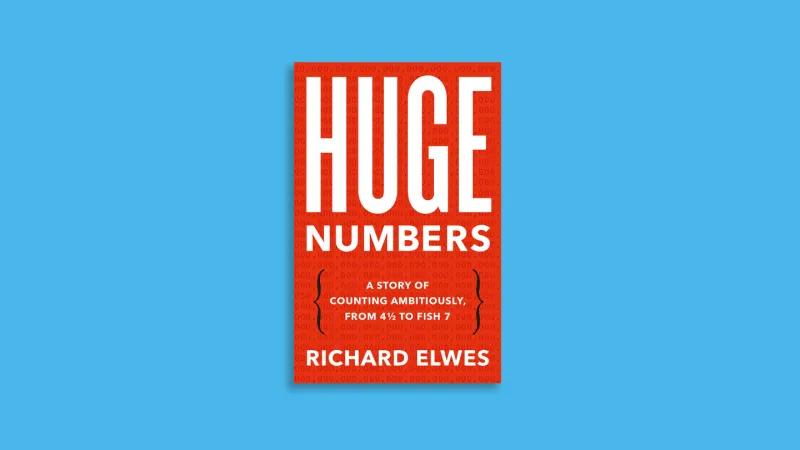
The field of googology, the study of extraordinarily large numbers, might seem distant from the pressing realities of ocean stewardship. Yet, as mathematician Richard Elwes's new book reminds us, grappling with immense quantities is fundamental to understanding complex systems, including our planet's oceans. At World Data Ocean, we recognize that unlocking the secrets of the ocean requires us to engage with data at scales previously unimaginable. This involves not just collecting vast amounts of information, but developing the analytical frameworks and technological innovations to process and interpret it effectively. Our commitment to building an integrated data ecosystem, capable of handling longitudinal and real-time datasets, is a direct response to the immense numerical challenges inherent in comprehensive ocean monitoring.
The journey from understanding a googol to mapping the intricate dynamics of ocean currents, biodiversity, and climate indicators is one of scale and precision. It is through the rigorous application of scientific methodology—validated, measurable, and peer-reviewed—that we can begin to discern meaningful patterns from the sheer volume of data. The "immense numbers" Elwes explores in googology find their parallel in the sheer complexity and interconnectedness of marine ecosystems. To protect these vital environments, we must move beyond qualitative observations and embrace quantitative approaches that can accurately reflect the scale of ecological processes and the impact of human activities. This requires a global, collaborative effort, pooling resources and expertise to build a shared understanding of the ocean's status and its critical role in planetary health.
Our work at World Data Ocean is driven by this imperative. We are developing tools and platforms that translate the abstract concept of "immense numbers" into actionable ocean intelligence. This means creating calibrated models that can predict the long-term effects of climate change, identifying measurable shifts in marine populations, and providing policymakers with the empirical data needed to make informed decisions. The pursuit of ocean stewardship is, in essence, a grand mathematical voyage, navigating through vast datasets to uncover truths that will safeguard our planet's future. It is a testament to human ingenuity that we can develop the capacity to comprehend and manage systems of such immense scale and complexity, fostering a sense of shared responsibility for the blue heart of our world.