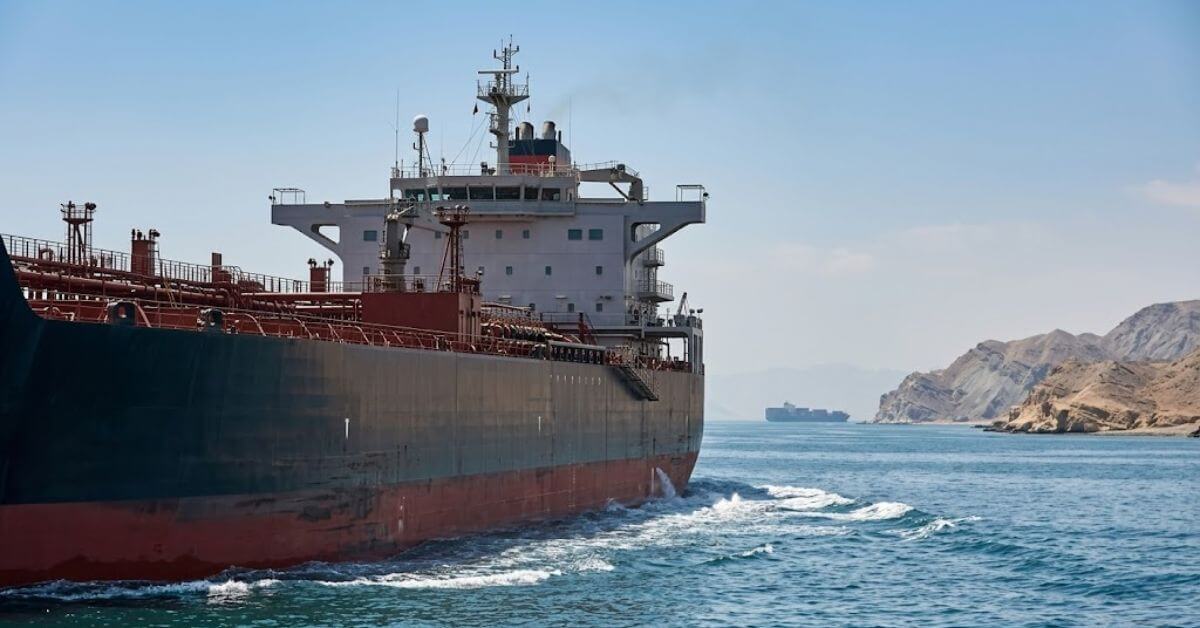
The escalating geopolitical tensions surrounding the Hormuz Strait present a critical juncture for global maritime security, underscoring the vital role of integrated data ecosystems in understanding and mitigating complex risks. The ongoing conflict, now entering its sixth week following joint air strikes, highlights the precarious balance of international relations and the profound implications for global trade and energy security. Our approach at World Data Ocean recognizes that effective stewardship of our planet's oceans, and indeed its vital arteries like the Hormuz Strait, is intrinsically linked to comprehensive, validated data. This data, gathered through innovative technological means and analyzed with scientific rigor, provides the bedrock for informed decision-making by researchers, policymakers, and stakeholders worldwide. The ability to monitor, track, and predict the flow of maritime traffic, coupled with an understanding of environmental and geopolitical variables, is no longer a luxury but a necessity for maintaining stability.
The intricate web of factors influencing maritime security in such a critical chokepoint demands a level of insight that can only be achieved through a commitment to global collaboration and the integration of diverse data streams. From satellite imagery providing real-time operational awareness to the longitudinal analysis of historical shipping patterns, our ocean intelligence platform is designed to offer a calibrated perspective. This empirically derived understanding allows us to move beyond speculative commentary and focus on measurable impacts. The current situation serves as a stark reminder that disruptions in key maritime passages can have cascading effects on global economies and necessitate a proactive, data-driven response. By fostering an environment where scientific findings are openly shared and accessible, we empower a collective effort towards resilience and responsible navigation.
At World Data Ocean, our purpose is to translate complex scientific realities into actionable knowledge. The escalating risks in the Hormuz Strait are not merely geopolitical events; they are also environmental and economic phenomena that require sophisticated analysis. Our commitment to innovation means continuously developing and refining the tools necessary to provide clear, precise information, even in the face of uncertainty. This dedication to scientific integrity ensures that our contributions are both impactful and reliable, fostering a shared responsibility for ocean health and security. Understanding drives protection, and in situations like these, our integrated data ecosystem offers a crucial pathway towards informed action and the safeguarding of vital global commons.