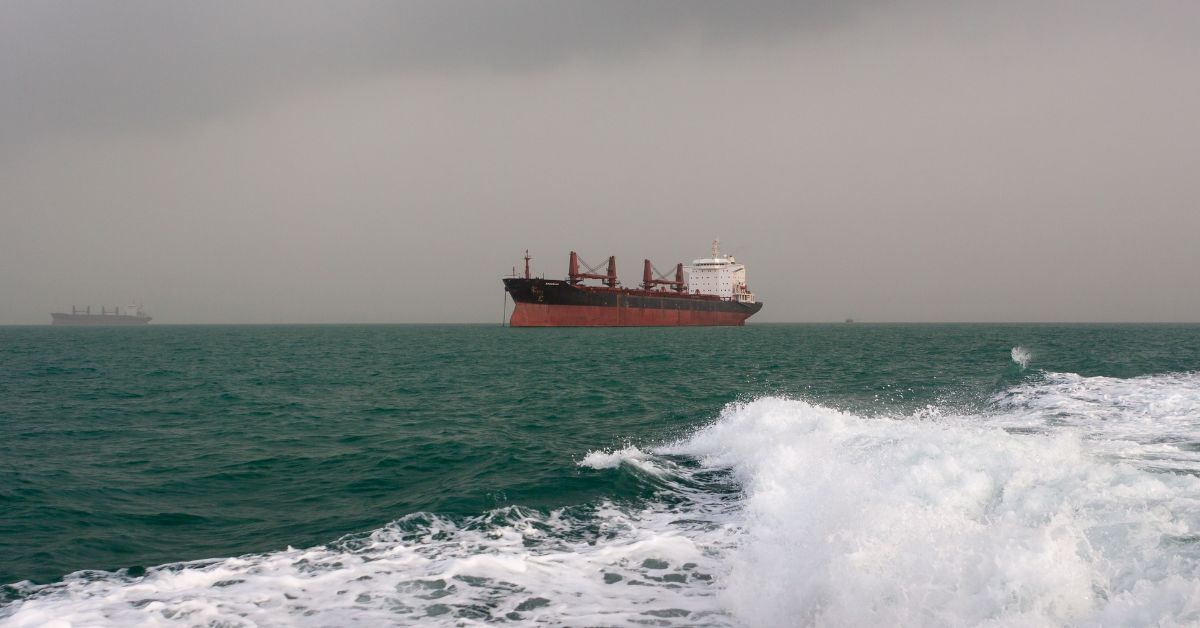
The recent signals from Iran regarding potential mine deployment in the Persian Gulf underscore a critical and persistent challenge in global maritime security. While the immediate context is geopolitical, the underlying implication for ocean health and international navigation is profound. The Persian Gulf, a vital artery for global trade and a region of significant ecological sensitivity, faces a heightened risk of disruption. Such actions, even when framed as defensive, carry inherent dangers that extend far beyond political boundaries. The deployment of naval mines, by their very nature, creates indiscriminate hazards, posing a direct threat to marine life, disrupting established shipping lanes, and potentially leading to long-term environmental damage. Understanding these dynamics requires a commitment to data-driven analysis and a clear-eyed assessment of the cascading consequences.
At World Data Ocean, our focus on integrated data ecosystems and real-time ocean intelligence becomes particularly relevant in scenarios like this. The potential for mine deployment necessitates rapid and accurate situational awareness for all stakeholders. This includes not only monitoring vessel traffic and geopolitical developments but also understanding the physical oceanographic conditions that influence the movement and effectiveness of such threats. Our work in developing calibrated models and providing validated data on currents, depths, and seabed characteristics can offer crucial insights to maritime safety organizations and international bodies. This information is vital for risk assessment, route planning, and the eventual safe clearance of any deployed ordnance. The ability to access and analyze this data effectively is paramount to mitigating the immediate dangers and ensuring the long-term navigability and ecological integrity of this critical waterway.
Ultimately, events like these highlight the interconnectedness of global security and environmental stewardship. The Persian Gulf is not merely a geopolitical chessboard; it is a complex marine environment supporting diverse ecosystems and facilitating essential global commerce. The threat of mine deployment serves as a stark reminder that actions taken within this space have far-reaching implications. Our mission is to provide the scientific foundation and technological tools necessary to navigate such complexities. By fostering a deeper, data-informed understanding of our oceans, we empower informed decision-making that prioritizes both human safety and the preservation of these vital marine resources for future generations. The pursuit of ocean intelligence, in this context, is not an abstract academic exercise but a pragmatic necessity for ensuring stability and sustainability in a challenging world.