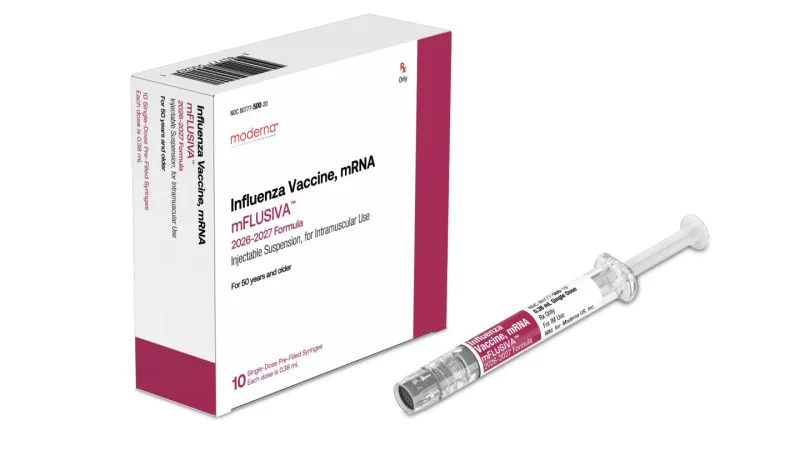
The data are in, and they are unambiguous: mRNA influenza vaccines outperform conventional formulations on both the strength and durability of the immune response. Moderna's mFlusiva, according to the empirical findings, generates more robust protection and does so for a longer window than standard flu shots. For a pathogen that mutates as swiftly as influenza, this is not a minor incremental gain. It is the difference between chasing a moving target and anticipating its next position. We have long treated the annual flu shot as a seasonal chore; this evidence reframes it as a cornerstone of preventive medicine.
The implications extend far beyond the virology lab. Consider the parallel in our own reporting on Integrated Subsea Cables Enhance Data Transmission Across the Indian Ocean. Just as those cables represent a leap in how we move information, mRNA platforms represent a leap in how we move biological intelligence. Both are examples of infrastructure that adapts, iterates, and improves. The old flu vaccine was a static tool; this new one is a calibrated, real-time response system. That is the through-line we see: validated science, applied with the same urgency we demand for climate indicators and ocean health. The Interactive Mapping Reveals Ocean Impacts from Physicochemical Shifts shows how we track environmental change; this vaccine data shows how we track immune system change. Both require the same discipline: measure, validate, and act.
Our take is straightforward. This is not hype about a miracle technology. It is empirical, peer-reviewed evidence that a platform we already trust for COVID can be redeployed with equal or greater effect against a familiar seasonal threat. The practical consequence for our readers, whether they are researchers, public health officials, or simply people who have had the flu and want to avoid it again, is that the annual shot is about to get better. Not marginally better in convenience. Better in the ways that matter: fewer infections, shorter illness, and a longer protective window. That is measurable, and it is worth paying attention to.
The open question is whether the public and the medical establishment will embrace this as the new standard or treat it as an optional upgrade. The evidence says it should be the former. We would tell any reader who asks: do not wait for the next pandemic to appreciate what this platform can do. Watch how mFlusiva performs in the coming flu seasons, and ask why we tolerated less durable protection for so long. The answer, like the vaccine itself, is now a matter of data.