Emperor penguin chicks like these starved. An iceberg may be the cause
Our take
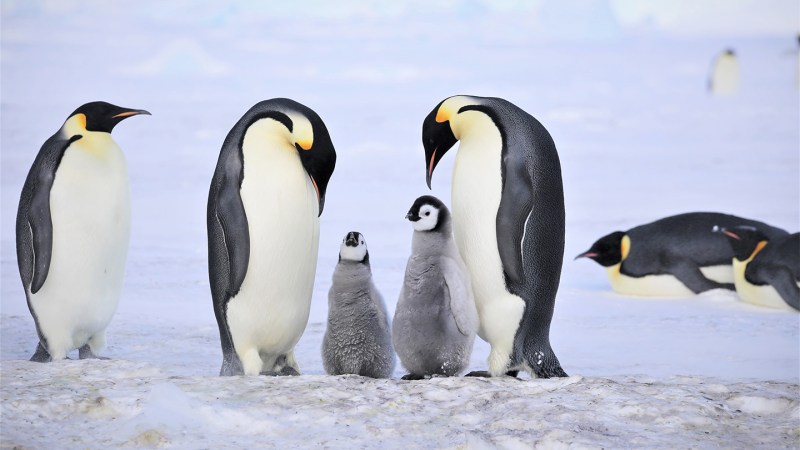
The recent report detailing a catastrophic decline in emperor penguin chicks linked to a grounded iceberg serves as a stark, measurable illustration of the increasingly complex and localized impacts of climate change on Antarctic ecosystems. While broad climate models provide crucial long-term projections, events like this highlight the need for granular, real-time data and integrated analysis to understand the specific mechanisms driving ecological shifts. The iceberg’s unusual contours, effectively creating a barrier to the ocean and disrupting foraging patterns, demonstrates how seemingly minor geographic features can amplify the effects of a warming climate. This situation resonates with findings detailed in "Functional connectivity in China’s coastal MPAs: modeling critical corridors and restoration zones for economic fish under climate change," which underscores the importance of understanding how changing environmental conditions disrupt vital ecological connections and pathways—a concept equally applicable to the emperor penguin colonies of Antarctica. It also echoes the complexities explored in “Combined effects of climate and anthropogenic change on habitat suitability and distribution of threatened marine species in China’s coastal waters,” illustrating how multiple stressors can interact to negatively impact vulnerable populations.
The scale of the chick mortality—a significant portion of the colony—is deeply concerning and demands rigorous, longitudinal study. While the iceberg's role appears to be the primary immediate factor, the underlying vulnerability of the penguins stems from broader climate-related changes: thinning sea ice, altered prey availability, and shifts in ocean currents. These factors collectively weaken the resilience of the colony, making them more susceptible to localized disruptions. The focus on a single, identifiable cause—the iceberg—is valuable for targeted mitigation efforts, but it shouldn't overshadow the broader systemic issues at play. The reliance on empirical data, carefully calibrated and validated through peer-reviewed research, is paramount in accurately assessing the situation and developing effective conservation strategies. Our integrated data ecosystem allows for precisely this kind of analysis, combining satellite imagery, oceanographic data, and biological surveys to build a more comprehensive picture of the Antarctic environment.
This incident underscores the critical need for proactive ocean intelligence—a real-time understanding of the dynamic interplay between climate, geography, and marine life. The ability to monitor icebergs, track penguin movements, and assess prey populations in near real-time is no longer a luxury but a necessity for effective conservation. Furthermore, it highlights the importance of international collaboration, as the Antarctic environment transcends national boundaries. Sharing data and coordinating research efforts are essential for building a robust, global response to the challenges facing emperor penguin populations and other vulnerable species. The K LINE Employees Join Global Cleanup Drive To Tackle Ocean Plastic Pollution demonstrates one way that stakeholders can contribute to ocean health, even on a smaller scale, emphasizing the shared responsibility for safeguarding these vital ecosystems.
Looking ahead, it is crucial to investigate whether similar iceberg-related events are becoming more frequent or severe as climate change progresses. Will alterations in ice dynamics lead to an increase in grounded icebergs in critical penguin breeding habitats? The development of predictive models that integrate iceberg movement patterns with penguin colony locations could provide early warning systems and inform proactive conservation measures. Ultimately, the fate of emperor penguins—and countless other species—hinges on our ability to translate scientific understanding into meaningful action, fostering a future where ocean stewardship is not just a goal, but a validated reality.
Read on the original site
Open the publisher's page for the full experience