habitat
World Data Ocean keeps habitat in one place: 9 stories so far. The section currently leads with “New data clarifies Wuthuga dugong population status in Gathaagudu”, “Citizen observation confirms manatee presence in Panama's San San Pond Sak”, and “First West Coast Sea Turtle Nest Documented on Southern California Beach”. A new, validated dataset offers the clearest picture yet of Wuthuga dugong populations in Gathaagudu. A single verified sighting of a manatee in Panama's San San Pond Sak is more than a traveler's anecdote, it's a validated data point for ocean intelligence. A Global Hub for Ocean Intelligence 4 World Data Ocean is a centralized digital platform where researchers, scientists, and ocean enthusiasts converge to… The list below is every habitat story on World Data Ocean, newest first.

New data clarifies Wuthuga dugong population status in Gathaagudu
A new, validated dataset offers the clearest picture yet of Wuthuga dugong populations in Gathaagudu. These empirical findings are essential for calibrating conservation strategies in a region where ocean intelligence is still emerging. Understanding drives protection. For readers tracking how marine species respond to shifting ecosystems, our coverage of prey fish nutrition shaping health risks for Indo-Pacific humpback dolphins provides a complementary lens on the interconnected challenges beneath the surface.

Citizen observation confirms manatee presence in Panama's San San Pond Sak
A single verified sighting of a manatee in Panama's San San Pond Sak is more than a traveler's anecdote, it's a validated data point for ocean intelligence. The murky water may lack postcard clarity, but it holds empirical value. Citizen observations like this strengthen our integrated data ecosystem, turning local encounters into measurable climate indicators. For deeper context on how community reports fill research gaps, see our related coverage of a validated beach find in Costa Rica.

First West Coast Sea Turtle Nest Documented on Southern California Beach
A lone sea turtle has made history on a Southern California beach, with the first documented nest of its kind on the West Coast. This is not a distant anomaly; it is a measurable signal of shifting ocean conditions. The event underscores the value of validated, real-time observation in tracking climate indicators. For those following the science, this pairs well with our recent piece, "Validated Protein Analysis Improves Caretta Caretta Health Assessments," offering a fuller picture of how we track these resilient species.
Antarctic Krill Reproduction Linked to Deep-Sea Hydrothermal Vent Activity
New research links Antarctic krill reproduction to deep-sea hydrothermal vent activity, and it changes how we read the Southern Ocean. The study, published in *Communications Biology*, suggests that vent-driven nutrient cycles may influence krill spawning patterns in ways surface observations alone cannot capture. That is a meaningful step toward integrated ocean intelligence, where biological and geological data meet.
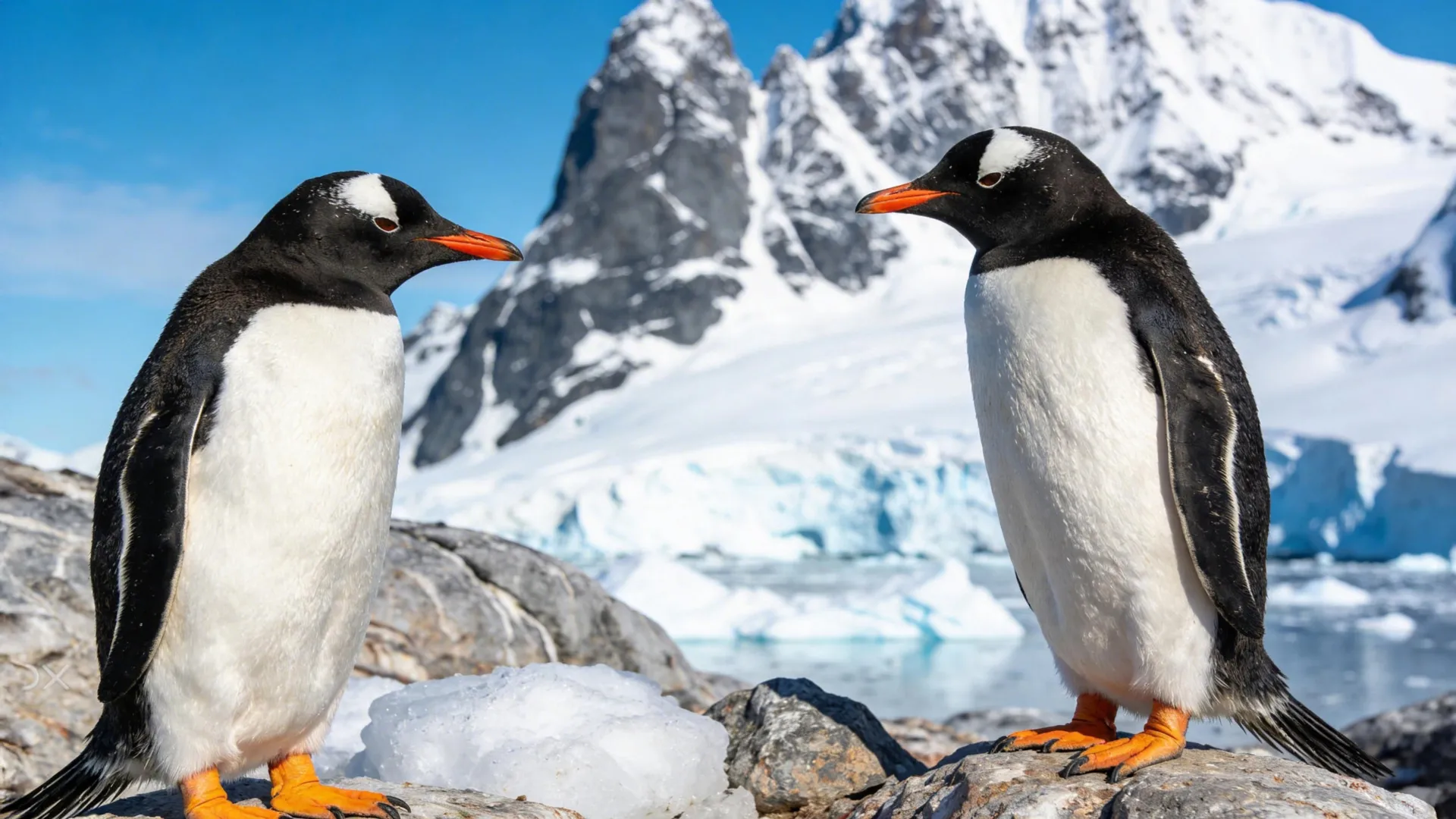
Genetic Data Reveals Four Gentoo Penguin Species, Highlighting Climate Threat
Genetic evidence has revealed that gentoo penguins are not one species but four, with a previously unknown population identified on the remote Kerguelen Islands. It is a reminder that biodiversity often hides in plain sight, even among well-studied animals. Yet the discovery carries an urgent warning: warming oceans could strip several island habitats by 2050. Understanding these distinctions is the first step toward protecting them.

Disturbance Fine Highlights Arctic Wildlife Protection Imperative
A 50,000 Norwegian Kroner fine sends a clear signal: respect for Arctic wildlife is not optional. Using a foghorn to rouse a sleeping polar bear is a careless disruption of a protected species' rest, and the penalty reflects that gravity. Enforcement like this matters, not just for one animal, but for the standards we set across the maritime industry. It is a practical, measurable step toward responsible navigation.
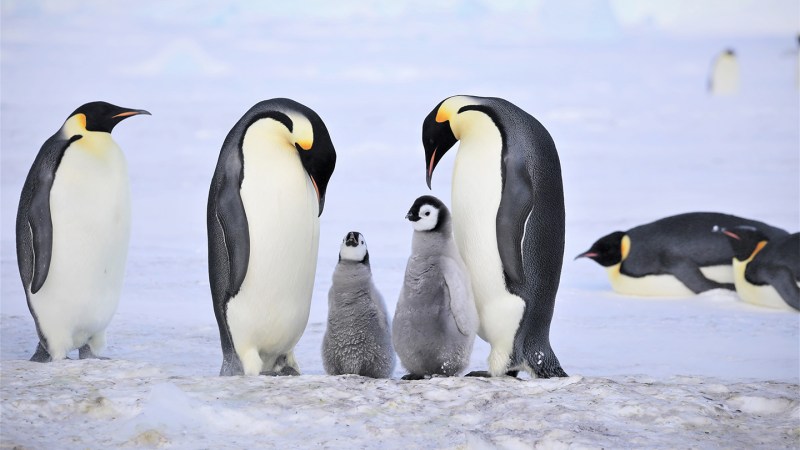
Iceberg's Presence Linked to Significant Chick Decline in Emperor Penguin Colony
A 2025 emperor penguin colony saw a sharp decline in chicks, and the likely culprit is the grounded iceberg nearby. The contours of that ice mass appear to have disrupted the colony's usual breeding conditions, a stark reminder of how local geography can tip the scales for a species already under pressure. It is a measurable, empirical signal of change. For broader context on Antarctic dynamics, our piece on Antarctic krill reproduction offers a complementary thread.
Coastal Enigma: Identifying a Rocky Shore Creature in Costa Rica
A rocky tidepool in Costa Rica's Central Pacific holds a small mover that retreats into a hole after a brief appearance. This video, shared by a curious observer, captures a creature that stays active yet wary, a reminder that low-tide zones are busy with life we often overlook. Identifying it takes patience and a good look at its habits. For those drawn to such puzzles, our piece on calibrated ocean intelligence offers a starting point for exploring how data helps name what we see.

Microcosms of the Pacific: Exploring Oregon's Tide Pool Ecosystems.
At Cape Blanco, Oregon, the tide pools reveal a world that feels almost alien up close. This July, photographer /u/JamTrackAdventures captures that otherness, showing how these microcosms shift perspective entirely. Each pool is a calibrated snapshot of life, measurable and immediate. The image reminds us that ocean intelligence starts at the shoreline, where small observations build larger understanding. For those exploring similar pathways, our related article, "Navigating a Marine Studies BA: Pathways to a Marine Biology Career," offers practical direction.