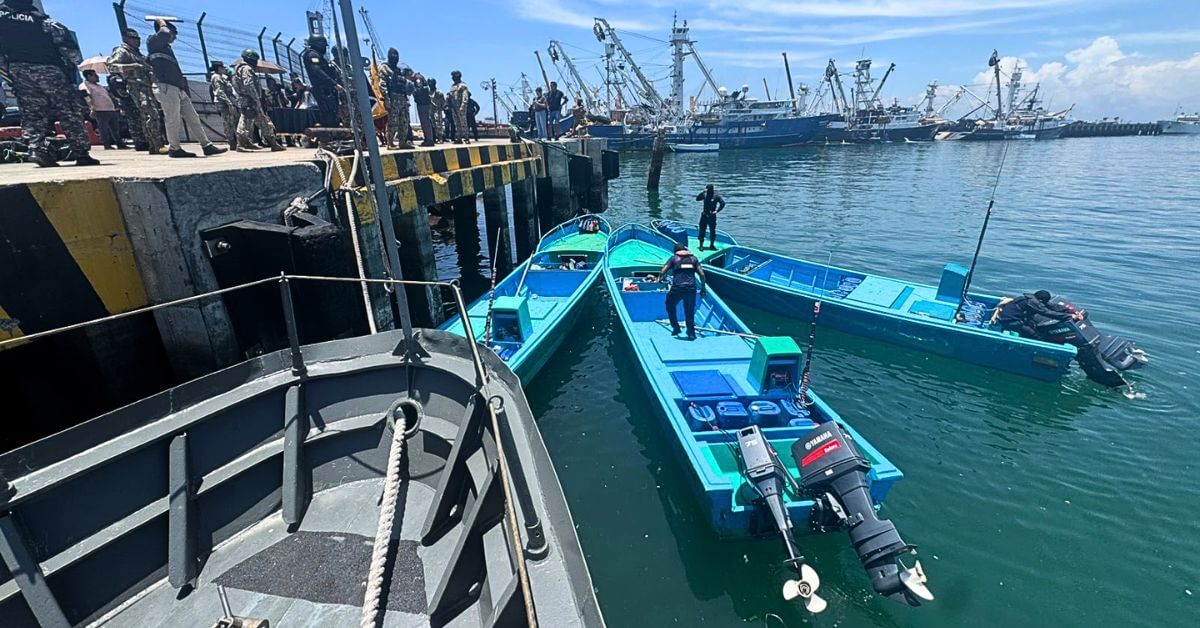
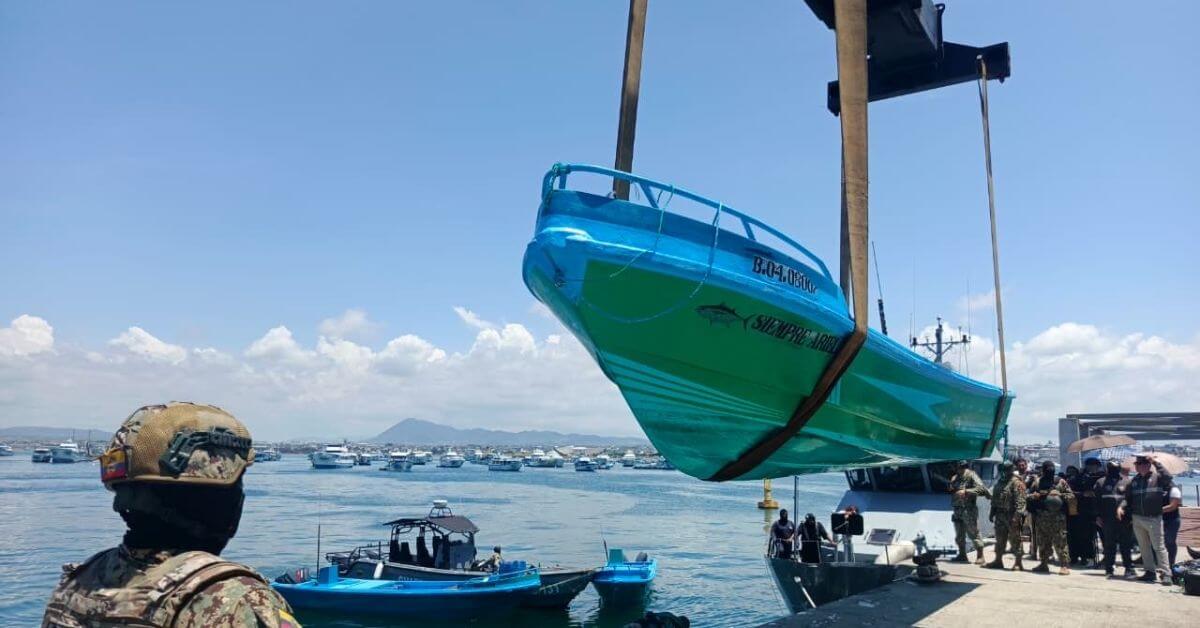
The recent interception of a substantial cocaine shipment by the Ecuadorian Navy in the Eastern Pacific underscores a critical, often overlooked, dimension of ocean governance: its role as a vital artery for illicit activities. While our focus at World Data Ocean is firmly rooted in understanding and protecting marine ecosystems through scientific data and technological innovation, this event serves as a stark reminder of the multifaceted challenges facing our shared seas. The validated, measurable data we collect on currents, vessel traffic, and environmental conditions, while primarily aimed at fostering ocean stewardship and informing climate resilience, can also provide invaluable insights into patterns of illegal maritime operations. The ability to track and analyze maritime movements, to integrate diverse data streams from satellites to on-the-water sensors, is crucial not only for scientific research but also for supporting the efforts of agencies like the Ecuadorian Navy in their vital work of combating transnational crime that impacts global security and the health of our oceans.
This seizure highlights the interconnectedness of global security and ocean health. The vastness and complexity of the marine environment, while offering unparalleled opportunities for scientific discovery and collaboration, also present significant challenges for monitoring and enforcement. The deployment of advanced technologies, such as real-time tracking systems and sophisticated data analysis, becomes paramount in these situations. By understanding the prevailing oceanographic conditions, such as prevailing currents and weather patterns, law enforcement can more effectively plan and execute operations. Conversely, the disruption of these illicit networks can have positive ripple effects, reducing pollution from discarded materials and mitigating the environmental damage associated with the production and transportation of illegal substances. Our commitment to building an integrated data ecosystem for the ocean aims to equip all stakeholders, including maritime security forces, with the comprehensive ocean intelligence needed to address these complex issues effectively.
The implications of such seizures extend beyond immediate law enforcement successes. They signal an ongoing need for robust international cooperation and the continuous advancement of monitoring capabilities. The data we gather, often through longitudinal studies and peer-reviewed research, contributes to a broader understanding of how the marine environment is utilized and impacted. This integrated knowledge base is essential for developing effective strategies that balance economic activity, environmental protection, and security concerns. World Data Ocean's mission to provide validated, measurable insights into the ocean is fundamentally about empowering informed decision-making. Events like this reinforce the urgency of that mission, demonstrating that a secure and healthy ocean requires a coordinated, data-driven approach that recognizes and addresses all threats, from climate change to illicit trafficking.