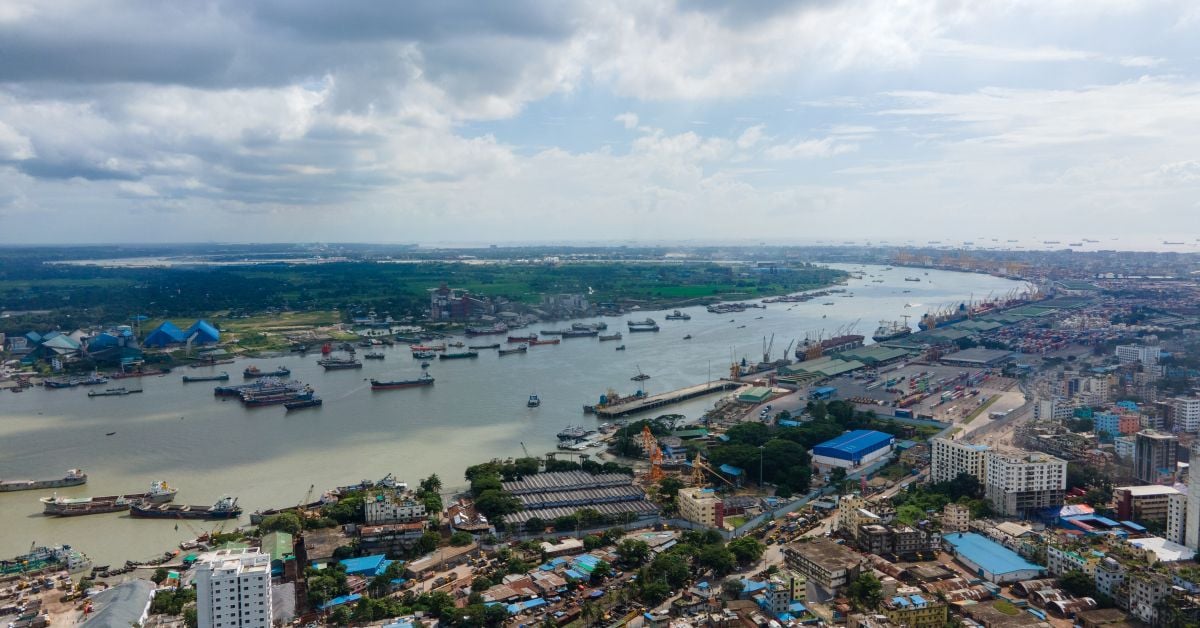
The decision to lease the New Mooring Container Terminal at Chattogram Port to private operators has triggered a peaceful protest from labor unions, and the friction here is not simply about who holds the lease. It is about whether the people who move cargo through one of South Asia's busiest gateways will have a seat at the table when their livelihoods are reorganized. The unions have called for an October 5 sit-in, and while the government frames the move as an efficiency play, the workers see it as a quiet erosion of their bargaining power. We cannot separate the operational logic of port modernization from the human cost of ignoring those who keep the docks running.
This dispute connects directly to broader shifts in maritime infrastructure we have covered, such as Paradip Port Designated a Mega Port, Anchors Eastern India's Maritime Growth. In that case, the Indian government's declaration came with a clear framework for growth, but it also carried expectations about labor transitions. Similarly, the Eighty Nations Urge Reopening of Vital Strait of Hormuz Shipping Lane story shows how geopolitical pressure can force ports to adapt quickly, often leaving local workforces scrambling to keep pace. The Chattogram situation is the flip side of that coin: when strategic decisions are made top-down, the absence of a transparent consultation process turns a routine lease into a flashpoint. Our readers should watch whether the government treats this protest as a logistical nuisance or as a signal that port policy cannot succeed without worker buy-in.
What makes this stand out is the lack of public detail on how the lease will affect employment terms, safety standards, or revenue sharing. The unions are not protesting against modernization; they are protesting against uncertainty. In practical terms, anyone who relies on Chattogram's throughput, from shippers to freight forwarders, should pay attention to the outcome because labor unrest introduces schedule volatility that no efficiency metric can offset. If the government fails to clarify how existing workers will be protected under private management, the protest could escalate beyond a sit-in, and that is a risk no port operator should accept lightly. The open question is whether the authorities will treat this as a negotiation or a standoff, and the answer will shape labor relations at Bangladesh's primary port for years to come.