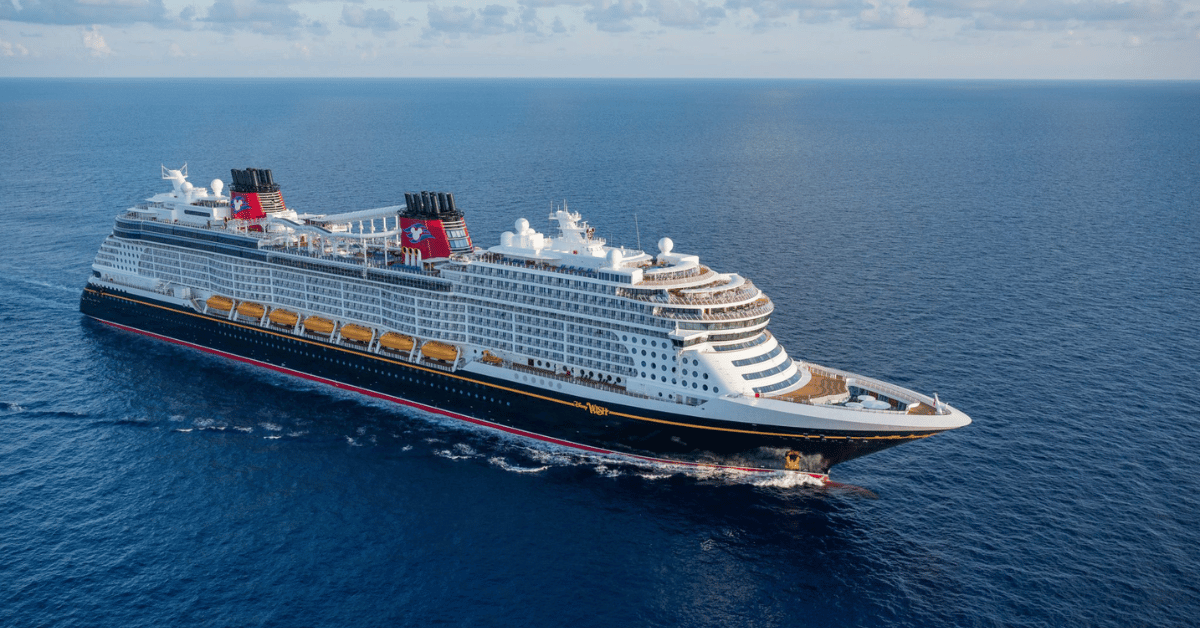
Disney Imagination will set sail from Tokyo in spring 2029, and while the news is wrapped in whimsy, the real story is about how a major global brand adapts to a market already feeling the effects of a changing climate. This is not merely a new cruise ship; it is a test of whether the magic of ocean travel can coexist with the very real pressures on the seas it will ply. For an audience that tracks Phenological data confirms warming springs drive earlier cherry blossoms in Japan, the timing is impossible to ignore. A ship named for imagination is launching in a nation where the natural calendar is being rewritten by warmer springs, and its itineraries will depend on ports and coastal ecosystems that are under measurable, empirical strain.
The vessel itself is a Wish-class ship, designed for dazzling entertainment and exceptional dining, but its operational reality will be shaped by factors far beyond the control of Disney or Oriental Land Co. Japan has already demonstrated a willingness to enforce maritime safety with unprecedented rigor, as seen in the Japan Issues First 20‑Day Suspension Order to Passenger Ship Operator. That regulatory environment will not soften for a branded hull, regardless of how many dinglehoppers adorn the stern. The ship's success will depend on its ability to integrate with a port infrastructure and a weather system that are both under documented, longitudinal pressure. The choice of Ariel, a character defined by curiosity about the surface world, is fitting, but the surface world she rises to meet is one of shifting currents, earlier blooms, and tighter regulations.
What this means for our readers is a concrete, testable proposition. The cruise industry has long been a lagging indicator of ocean health, responding to problems after they become public relations crises. Disney Imagination represents an opportunity to break that cycle, but only if the operators treat the ship as a platform for ocean intelligence rather than a floating theme park. The ship will carry families who have watched cherry blossoms arrive weeks early, who have read about plankton science in accessible research, and who are increasingly aware that the ocean is not an infinite backdrop. The brand voice of Disney is one of optimism, but the voice of the ocean is one of data. If Disney Imagination can calibrate its operations to real-time climate indicators and demonstrate measurable reductions in emissions, waste, and ecological disruption, it will earn its name. If it simply replicates a formula designed for the Caribbean and the Bahamas, it will become a case study in misplaced priorities.
The open question is whether Oriental Land Co. and Disney will publish the ship's environmental performance data in the same way they publicize its dining and entertainment. Will the ship's fuel consumption, wastewater treatment, and emissions be integrated into a verifiable, peer-reviewed dataset? The magic of a Disney cruise is its ability to create a controlled, predictable experience. But the ocean does not cooperate with show schedules. The single most important detail to watch is not the character on the stern or the menu in the restaurant, it is whether the company releases a transparent, empirical audit of the ship's operational footprint within its first year of service. That would be a truly imaginative act.