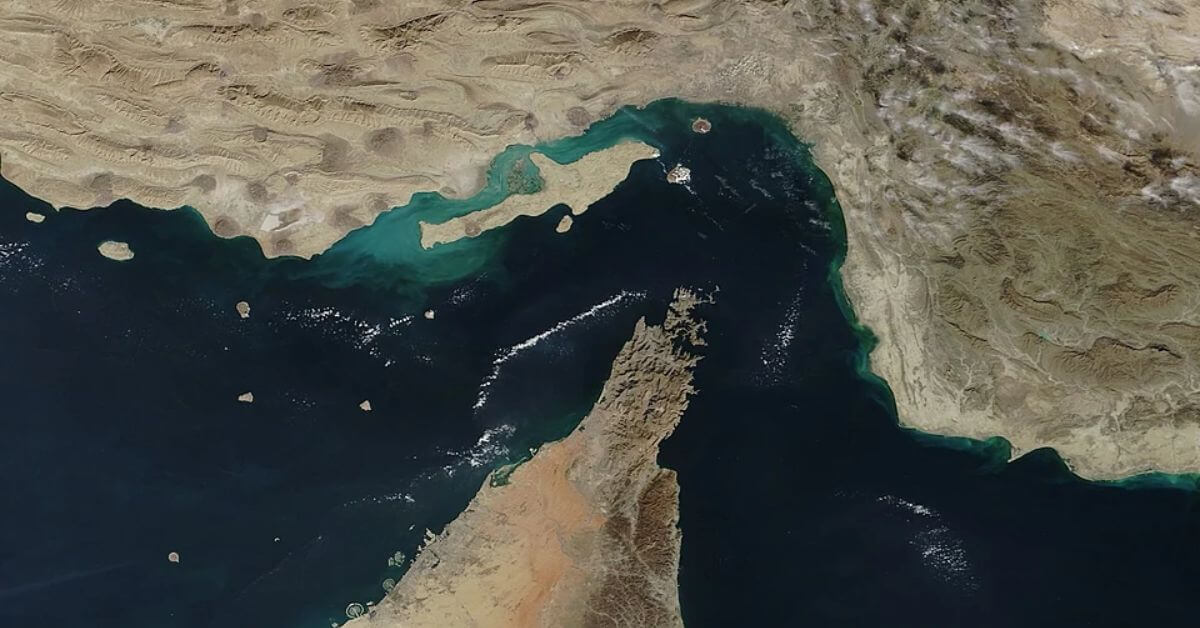
The recent diplomatic overture from the United States, reportedly conveyed through Pakistan, signifies a critical juncture in addressing the disruptions plaguing vital global shipping lanes. This initiative, aiming to stabilize maritime transit, underscores the interconnectedness of geopolitical stability and the flow of essential goods. The Strait of Hormuz, a pivotal chokepoint for international trade, has become a focal point of tension, impacting supply chains and economic predictability worldwide. World Data Ocean recognizes that the security and unimpeded passage through such strategic waterways are not merely logistical concerns; they are foundational to global economic health and, by extension, to the resources available for crucial ocean stewardship initiatives. Our approach emphasizes that understanding the complex interplay between international relations and maritime security is essential for fostering a stable environment where scientific endeavors, including vital ocean monitoring and research, can thrive without impediment.
The proposal's reported delivery via Pakistan highlights the importance of multilateral engagement and the utilization of established diplomatic channels to de-escalate tensions. In an era where global challenges demand collaborative solutions, initiatives that prioritize dialogue and peaceful resolution are paramount. The disruptions to shipping lanes have tangible consequences, extending beyond immediate economic costs to impact the long-term viability of marine conservation efforts. Access to resources for scientific research, the deployment of monitoring technologies, and the effective implementation of conservation strategies are all indirectly affected by the stability of global trade routes. World Data Ocean’s commitment to providing validated, measurable data on ocean health is intrinsically linked to the operational capacity of maritime sectors. Therefore, we view any steps toward stabilizing shipping lanes as a positive development, contributing to the broader goal of a secure and predictable global environment conducive to progress.
From our vantage point, characterized by a dedication to scientific authority and clarity, this diplomatic development reinforces the principle that understanding drives protection. The disruptions in the Strait of Hormuz serve as a stark reminder of how geopolitical instability can have far-reaching consequences, even impacting the very mechanisms through which we gather critical data about our planet. The continuous flow of information, from real-time satellite imagery to longitudinal studies of marine ecosystems, relies on a stable global infrastructure. World Data Ocean is dedicated to fostering an integrated data ecosystem that empowers informed decision-making. Initiatives that promote peace and stability in critical maritime regions are, therefore, not just geopolitical events, but essential enablers of the scientific progress necessary to address the urgent challenges facing our oceans.