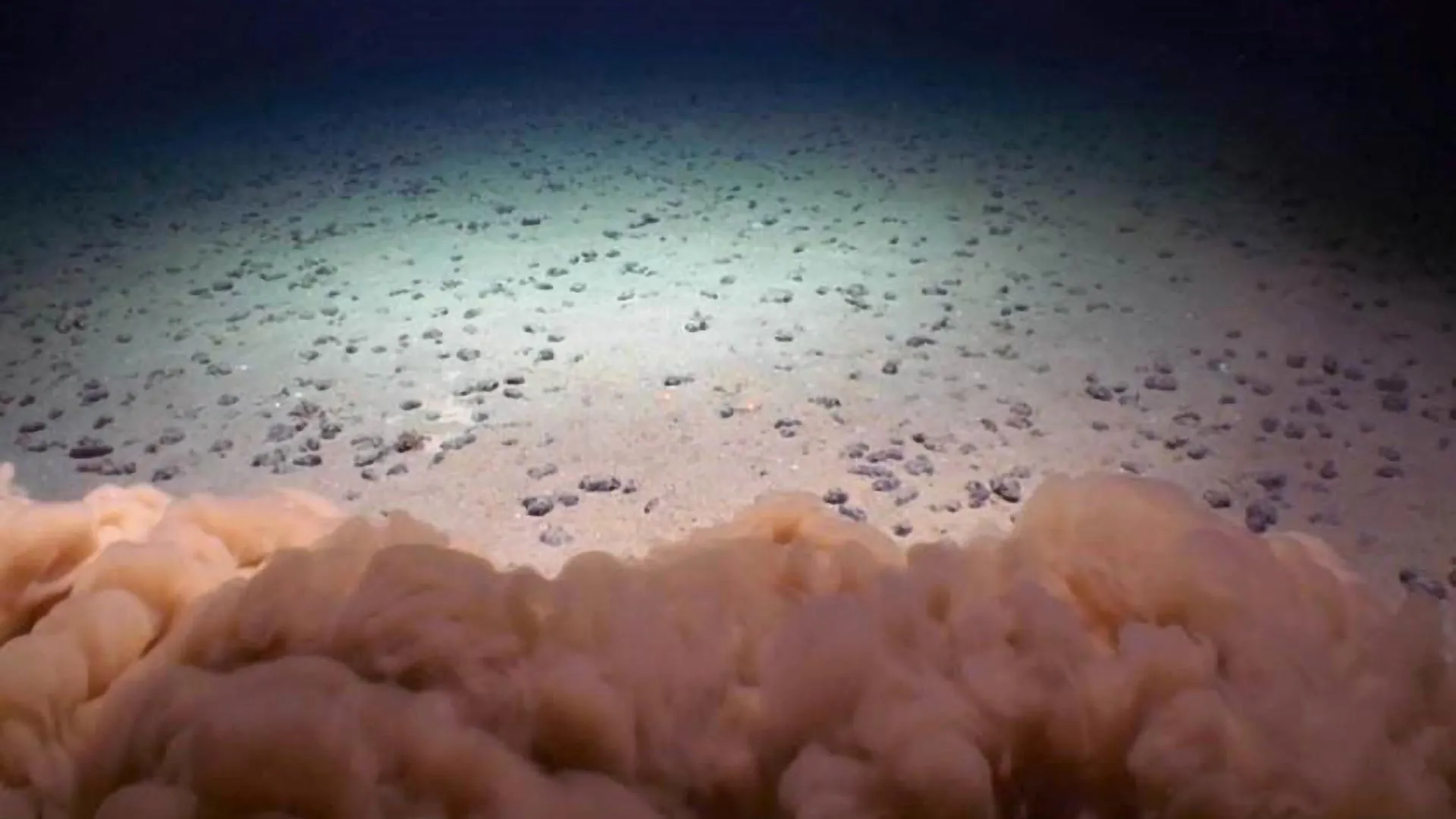
The ocean’s twilight zone, a vast and enigmatic realm extending from 200 to 1,000 meters below the surface, is a critical nexus of marine life and nutrient cycling. Recent validated findings reveal a profound and concerning impact of deep-sea mining activities on this vital ecosystem. Specifically, the plumes generated by mining operations are demonstrably stripping away essential nutrition, replacing the naturally occurring food sources with sediment that is severely deficient in the nutrients required to sustain marine organisms. This disruption creates what can be accurately described as a “junk food” effect, where the readily available, but nutritionally barren, sediment effectively starves life across entire marine ecosystems, from the smallest plankton to larger predatory species that depend on the twilight zone’s bounty. This empirical evidence underscores the urgent need for a comprehensive understanding of deep-sea mining's ecological footprint.
This scientific discovery highlights a critical disconnect between the pursuit of mineral resources and the preservation of the ocean’s intricate food webs. The twilight zone plays a pivotal role in the global carbon cycle and serves as a crucial feeding ground for many species that migrate vertically between depths. By altering the fundamental nutritional composition of this environment, deep-sea mining poses a significant threat to the health and stability of these interconnected ecosystems. The replacement of nutrient-rich organic matter with inert sediment directly impacts the metabolic processes and reproductive success of countless organisms. This is not a hypothetical concern; it is a measurable consequence of industrial activity that demands immediate scientific attention and policy consideration. Our integrated data ecosystem is designed to monitor such changes with calibrated precision, providing the real-time intelligence necessary to inform stewardship decisions.
The implications of these findings extend far beyond the immediate area of mining operations. The interconnected nature of marine environments means that disruptions in the twilight zone can cascade through the entire ocean. Understanding these complex interactions is paramount to developing effective strategies for ocean stewardship. World Data Ocean is committed to providing the validated, peer-reviewed data that underpins this understanding, fostering a global collaborative effort to safeguard these invaluable marine resources. The scientific imperative is clear: we must prioritize the long-term health of our oceans, ensuring that our pursuit of innovation and resources does not undermine the very ecosystems that support life on Earth. The “junk food” effect in the twilight zone is a stark reminder of our shared responsibility to protect this vital frontier.