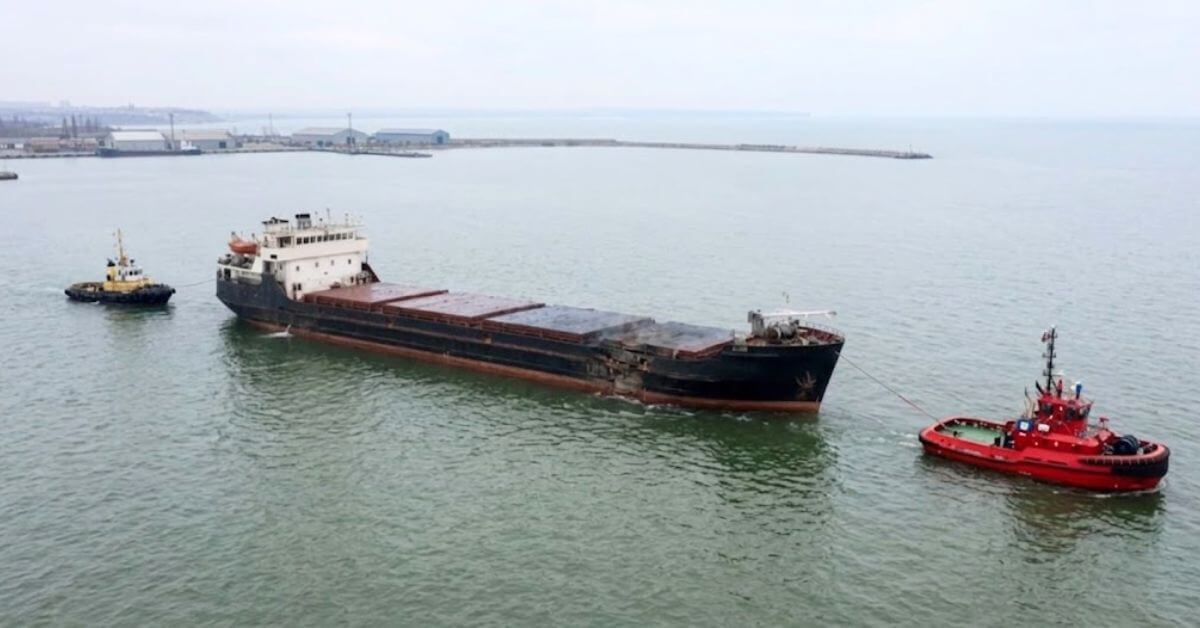
The recent recovery of the damaged Russian grain ship, following what is believed to have been a Ukrainian drone attack, underscores the complex and often perilous intersection of geopolitical conflict and vital global supply chains. The confirmed fatalities, a tragic consequence of this incident, serve as a stark reminder of the human cost inherent in such events. While the immediate focus is on the loss of life and the immediate aftermath, this occurrence also prompts a broader reflection on the broader implications for maritime security and the integrity of international trade routes, particularly those crucial for food distribution. Such disruptions, whether driven by direct conflict or indirect consequences, ripple outward, impacting economies and food security on a global scale.
At World Data Ocean, our perspective on such events is grounded in the understanding that robust, real-time data and integrated ocean intelligence are paramount to navigating the complexities of our interconnected world. While we do not directly engage in geopolitical analysis, the incident highlights the critical need for comprehensive monitoring of maritime activity. The ability to track vessel movements, assess environmental impacts, and understand the operational status of shipping lanes is fundamental to maintaining stability and predictability in global commerce. Furthermore, incidents like this emphasize the importance of accurate, peer-reviewed data in informing policy and ensuring accountability, providing a validated basis for understanding the multifaceted ramifications of such events on both human systems and the marine environment.
The challenges presented by events such as this reinforce our commitment to fostering a global, collaborative approach to ocean stewardship. The data we collect and the intelligence we generate are intended to serve as a foundation for informed decision-making, empowering researchers, policymakers, and stakeholders to address pressing issues with clarity and precision. Understanding the dynamics of maritime traffic, including the potential risks and vulnerabilities, is a crucial component of ensuring the long-term health and security of our oceans and the vital services they provide. Ultimately, our work aims to illuminate these interconnected systems, promoting a shared responsibility for their protection and sustainable management, ensuring that future challenges can be met with greater foresight and resilience.