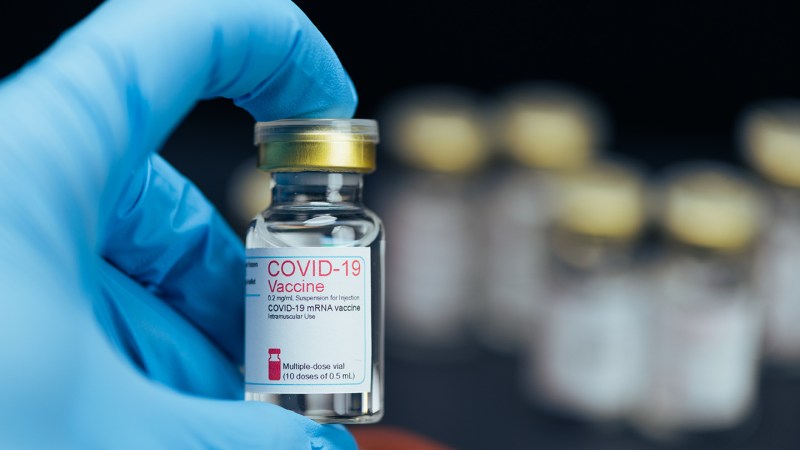
A single data point from a small patient group can be dangerous if we let it outrun the evidence. But when that point is a doubling of survival in glioblastoma, a cancer with a median survival measured in months, we are obligated to pay close attention. The recent observation that a COVID-19 vaccine conferred a significant survival benefit in patients who had undergone biopsy or surgery is not a cure, nor is it a reason to abandon standard protocols. It is, however, a compelling signal that the immune system can be coached to see this tumor as a threat, and that alone warrants rigorous, peer-reviewed follow-up.
We have seen this pattern before, where a tool developed for one purpose reveals an unexpected secondary value. The scientific process rewards that kind of serendipity, but only when it is validated through controlled, longitudinal study. This is the same discipline we applied when Empirical Data Shows mRNA Flu Vaccine Offers Enhanced, Sustained Immunity became a headline, and it is the standard we must hold here. The mRNA platform is not a magic bullet; it is a delivery mechanism. The real question is whether the immune response it generates is calibrated to recognize and attack the specific mutations driving each patient's tumor. That is a measurable, testable hypothesis. We should treat it as such.
What makes this story different from the kind of premature promotion we have criticized elsewhere is the absence of hype. No one is claiming a breakthrough. The study is observational, and the sample size is small. But the effect size is large enough to justify a dedicated trial. For our readers, many of whom are researchers or clinicians, the practical takeaway is not to change practice, but to change the research agenda. We would tell a patient or a family member who asks about this: do not demand the vaccine as an off-label treatment. Instead, push for enrollment in a clinical trial where the data can be collected prospectively, where survival curves are measured against a control group, and where the immune correlates of response are analyzed with the same precision we expect from any biomarker study.
This is also a moment to reflect on how quickly we move from observation to action. We have seen the consequences of policy racing ahead of evidence, as when Leucovorin Use Increased After White House Autism Treatment Promotion demonstrated what happens when advocacy outpaces data. The opposite error is to dismiss a signal simply because it is surprising. The scientific community has a narrow window here. The next step is not to write headlines, but to design a trial that asks whether this vaccine, administered at the right dose and schedule, can extend survival in a larger cohort. We would tell a reader who asks for our honest take: this is the most promising lead in neuro-oncology in years, but it is a lead, not a conclusion. Watch for the phase two data, and demand to see the immune response curves. That is where the truth will be, measured in months, not in anecdotes.