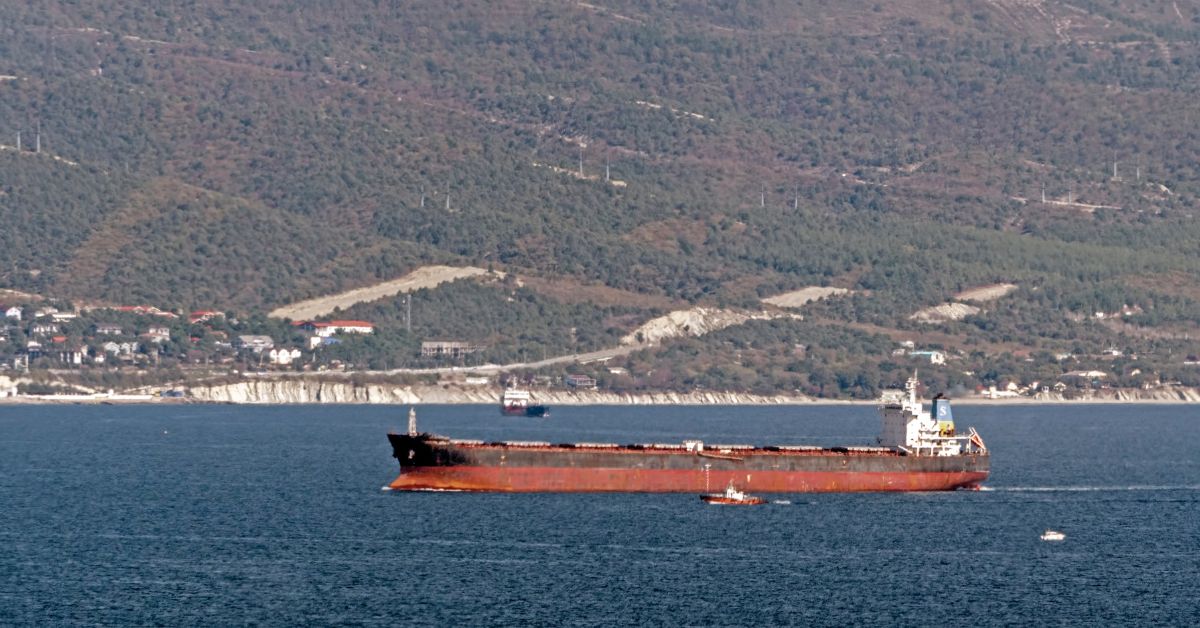
The recent rerouting of a sanctioned oil tanker carrying Iranian crude, a vessel that initially set course for India before altering its destination to China mid-voyage, underscores a critical reality: the intricate and often opaque global trade of energy resources is intrinsically linked to geopolitical currents. This incident, involving a substantial cargo of 600,000 barrels, highlights how economic sanctions, intended to influence state behavior, can create complex logistical challenges and necessitate dynamic adjustments within international shipping networks. Our integrated data ecosystem, which continuously monitors maritime traffic and analyzes trade patterns, allows us to observe these shifts in real-time. Understanding the flow of such commodities, even when influenced by sanctions, is vital for accurately assessing global energy supply, potential environmental risks associated with tanker traffic, and the broader economic implications for nations involved.
This event serves as a compelling example of why comprehensive, validated data is indispensable for navigating the complexities of our interconnected world. The ability to track such shifts, to understand the rationale behind route changes, and to assess the potential impact on environmental safety and market stability requires a sophisticated approach to data collection and analysis. World Data Ocean is committed to providing this level of insight, moving beyond simple observation to offer a deeper understanding of the forces shaping global trade and their consequences. By integrating diverse data streams, from vessel movements to trade agreements and sanction regimes, we aim to illuminate the underlying mechanisms that drive these seemingly isolated events, revealing their broader significance within the global maritime and energy landscapes.
The implications extend beyond mere cargo manifests. Each vessel's journey contributes to a larger picture of global resource distribution, energy security, and, critically, potential environmental exposure. The rerouting of a sanctioned tanker, while driven by economic and political factors, also represents a physical movement across the ocean, with inherent risks. Our focus on ocean intelligence, powered by innovative technological solutions, allows us to not only monitor these movements but also to analyze their potential cumulative impact. This commitment to scientific rigor and forward-thinking analysis ensures that we can provide the clear, measurable data necessary for informed decision-making, ultimately fostering a more responsible and sustainable approach to ocean stewardship.