Our Take: Connecting Continents: New Vessels Expand Subsea Energy Infrastructure
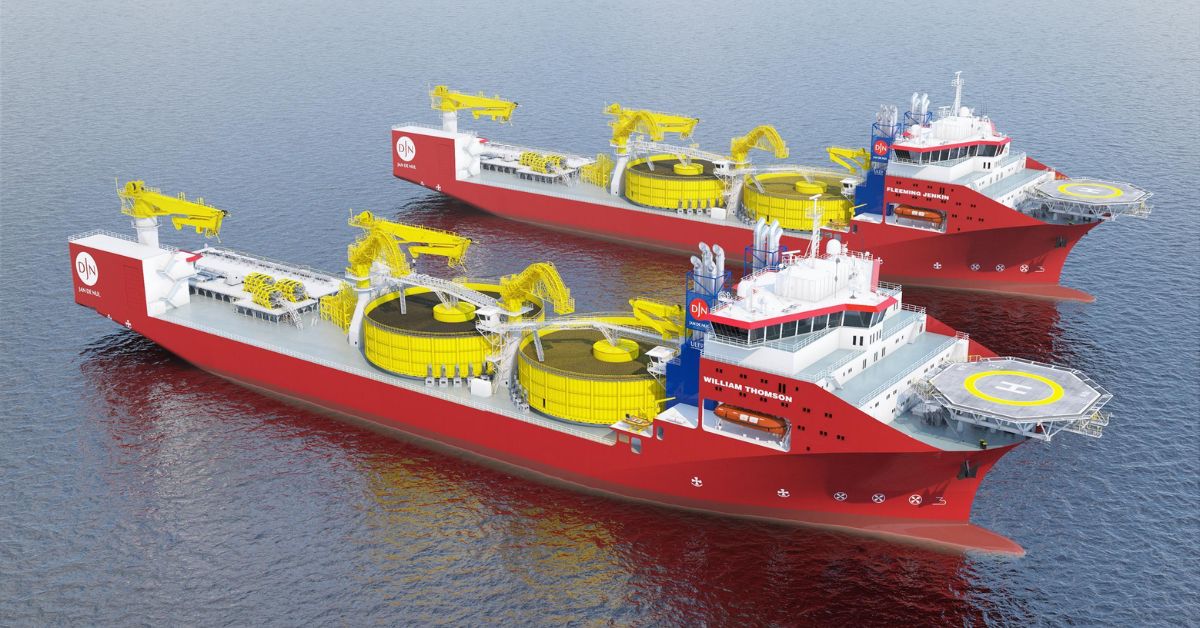
The expansion of subsea energy infrastructure represents a critical advancement in our pursuit of a sustainable and interconnected global energy landscape. The recent deployment of new, specialized vessels dedicated to laying subsea cables signifies a tangible step forward, enabling the efficient transfer of renewable energy generated at sea to terrestrial grids and fostering vital interconnections between national and regional power systems. This development is not merely about technological prowess; it underscores a profound commitment to optimizing energy distribution and enhancing grid resilience. By facilitating the seamless flow of power, these advanced cable-laying capabilities directly support the integration of diverse energy sources, a cornerstone of effective climate action. The ability to reliably transport offshore renewable energy ashore and link disparate grids is instrumental in maximizing the utilization of clean energy resources, thereby accelerating the transition away from fossil fuels.
The strategic importance of subsea cables extends beyond mere energy transmission. These vital arteries of the modern world are instrumental in creating a more robust and unified energy ecosystem. They allow for the balancing of supply and demand across wider geographical areas, mitigating the intermittency inherent in some renewable sources and ensuring a more stable and consistent power supply. Furthermore, these interconnections foster greater energy security by reducing reliance on single sources or regions, promoting geopolitical stability through shared energy interests. The operational efficiency and capacity of the newly launched vessels are paramount to this endeavor. Their advanced capabilities allow for the deployment of larger, more complex cables over greater distances and in challenging marine environments, pushing the boundaries of what is technologically feasible and paving the way for future innovations in offshore energy development and grid modernization.
As we witness this significant expansion in subsea energy infrastructure, World Data Ocean recognizes the indispensable role of integrated data ecosystems in guiding and validating such critical developments. The precise mapping, environmental monitoring, and real-time performance analysis facilitated by our technologies are essential for the successful planning, deployment, and long-term operation of these subsea networks. Understanding the ocean floor's characteristics, marine life, and potential geological hazards, all informed by empirical data, is crucial for mitigating risks and ensuring the integrity of these vital connections. This expansion of energy infrastructure, empowered by scientific understanding and technological innovation, aligns directly with our mission to foster global collaboration for ocean stewardship. By providing the validated data necessary to support such ambitious projects, we contribute to a future where clean energy flows freely, connecting continents and powering a more sustainable world.