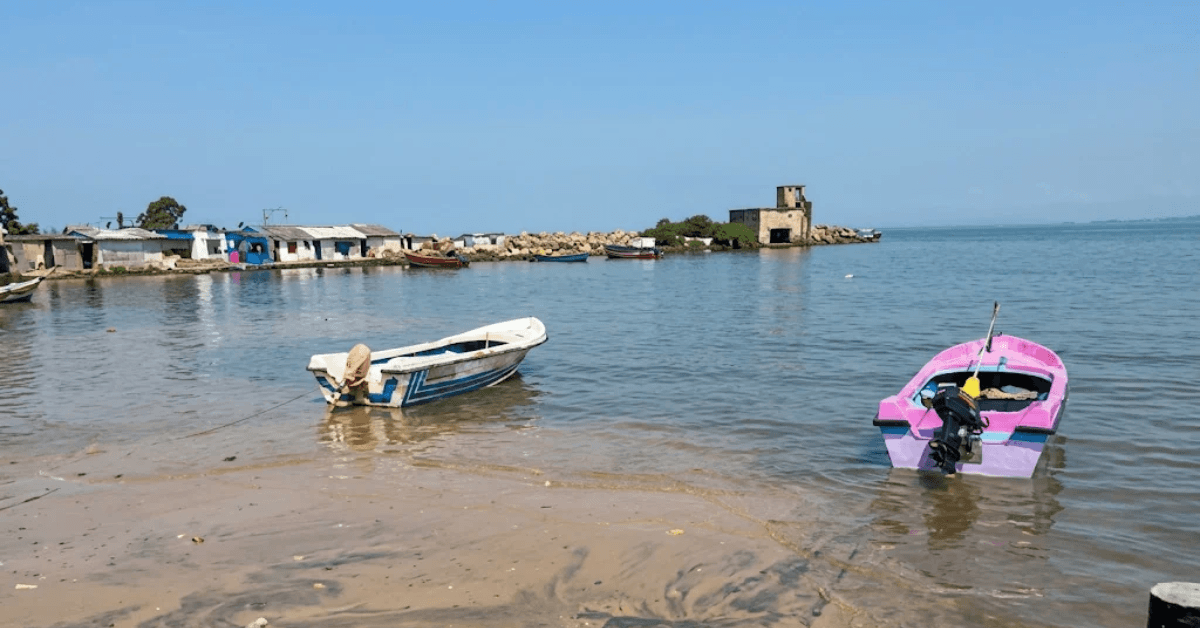
The diesel that escaped into Colombo's Mutwal fisheries harbour and the adjacent coastline was not an act of nature. It was a failure of infrastructure, a ruptured pipeline at a port fuel tank that now threatens marine life, local livelihoods, and the credibility of a system meant to prevent exactly this kind of event. Sri Lanka's Marine Environment Protection Authority has stated it will seek compensation under the Marine Pollution Prevention Act of 2008, and it should. But compensation, while necessary, is not the same as prevention. This incident is a reminder that the gap between having a regulatory framework and enforcing it in real time can be measured in kilometres of oiled shoreline. As we explored in our coverage of how A measured approach to marine plastic pollution yields validated climate indicators, the most effective environmental protections rely on empirical, calibrated systems that catch failures before they become disasters. That same logic applies here, but the data came too late.
The spill began at 9:30 am on November 21, and the flow was stopped by 10:30 am, a rapid response by the Sri Lanka Ports Authority. Yet the diesel had already travelled through a drainage canal into a fishing harbour and the sea, polluting more than three kilometres of coast. The exact volume that reached open water remains undisclosed, and that lack of transparent, measurable data is itself a problem. Without knowing the scale of the release, it is difficult to assess the real impact on the fisheries, the sediment, or the species that depend on that stretch of coast. This echoes the accountability gaps we identified in our report on Fake ship registries expose seafarers to risk and erode maritime accountability, where opaque ownership structures allowed responsibility to be diluted. In Colombo, the responsible party is known, the Jaya Container Terminal, but the absence of a confirmed discharge figure undermines the very claims process MEPA says it will pursue. A fine of Rs 15 million was paid in a previous spill at the same port in December 2023, but that is a fraction of the cost of long-term ecological restoration.
What matters now is not just the cleanup, which MEPA reports as 95% contained, but the structural question: why did the pipeline rupture, and what monitoring was in place beforehand? The port had already experienced a pipeline leak during crude oil unloading less than two years ago. That prior incident should have triggered a review of the entire fuel-transfer system, not just a fine on a foreign tanker. This is where integrated, real-time ocean intelligence becomes a practical necessity, not a theoretical ideal. A calibrated monitoring network, sensors on pipelines, automated shutoff triggers, and continuous water-quality sampling in the harbour, could have detected the pressure anomaly or the initial release before diesel reached the fishing boats. As we noted in our coverage of an unrelated spill detected by the UAE's monitoring system in Ministry Detects Oil Spill as UAE Beaches Close for Cleanup, early detection is not a luxury; it is the difference between a contained incident and a coastline-wide contamination.
The practical takeaway for port operators, regulators, and the coastal communities that depend on healthy waters is this: a compensation claim after the spill is not a substitute for the validated, peer-reviewed infrastructure data that could have prevented it. MEPA should release the exact volume of diesel discharged, publish the pipeline inspection records, and mandate that JCT install real-time leak detection before operations resume. The fishermen who anchor their boats in that contaminated stretch cannot afford to wait for another rupture to prove the system is broken.