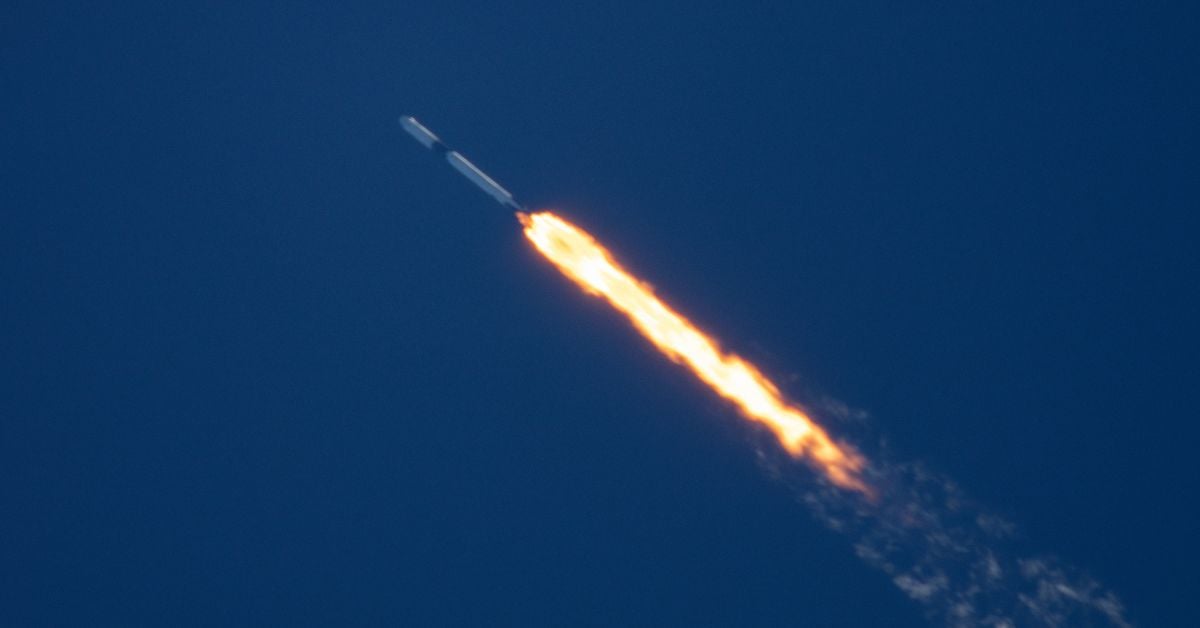
The recent report concerning the collapse of India’s BrahMos missile production raises critical questions about the balance of power in the Indian Ocean region. As the Indo-Pacific remains a focal point for geopolitical tensions, the BrahMos missile system has been a key deterrent, securing vital sea lanes stretching from the Strait of Hormuz to the Malacca Strait. This context is essential, particularly as the region grapples with increasing maritime security challenges, including piracy, territorial disputes, and the influence of major powers. The implications of a weakened missile production capability could reverberate beyond military strategy, affecting trade routes and regional stability that are crucial for global commerce.
The BrahMos missile system is emblematic of India’s push to establish itself as a formidable military power in the Indo-Pacific, particularly against the backdrop of a rising China. The potential disruption in the production of these missiles could embolden adversaries and alter the strategic calculations of neighboring countries. As highlighted in the analysis of Unmanned 19.8 Ton Strike Submarine ‘Orca’ Can Fire Missiles, Drones & Torpedoes Underwater, the development of advanced military technologies, including unmanned systems, continues to shift tactical capabilities in maritime warfare. The BrahMos, with its speed and precision, has been a cornerstone of India’s deterrent strategy, and any decline in its production not only threatens India’s military posture but also disrupts the delicate equilibrium of power in the region.
Moreover, the strategic significance of the Indian Ocean cannot be overstated. It serves as a crucial artery for international trade, with significant portions of global shipping traversing its waters. The potential for instability resulting from a reduced Indian military presence could invite external influence and intervention, further complicating the geopolitical landscape. By examining this situation alongside the article on Trade-offs of Nest Relocation in Hawksbill Turtles: Effects on Hatching Success and Hatchling Performance, which discusses the balance between ecological preservation and human activity, we can draw parallels regarding the need for careful navigation of competing interests in both military and environmental realms. Just as the health of marine ecosystems is vital for sustainable development, so too is the maintenance of security in these critical maritime domains.
As we consider the broader implications of the BrahMos production collapse, it is essential to ask how this situation will influence India's defense strategies and its relationships with key allies, particularly the United States and Japan. Will India seek to ramp up partnerships to bolster its technological capabilities, or might it pursue alternative deterrence strategies that could reshape alliances in the region? The urgency of these developments underscores the importance of monitoring how nations adapt to emerging challenges in the Indian Ocean, particularly in light of evolving military technologies and geopolitical dynamics.
In conclusion, the ramifications of India’s missile production challenges extend far beyond national defense. They signal potential shifts in the regional balance of power, affecting not only military strategies but also economic interests and alliances. As we continue to observe these developments, it will be crucial to remain vigilant about how they may reshape the security landscape of the Indian Ocean and influence global maritime policies in an increasingly interconnected world.