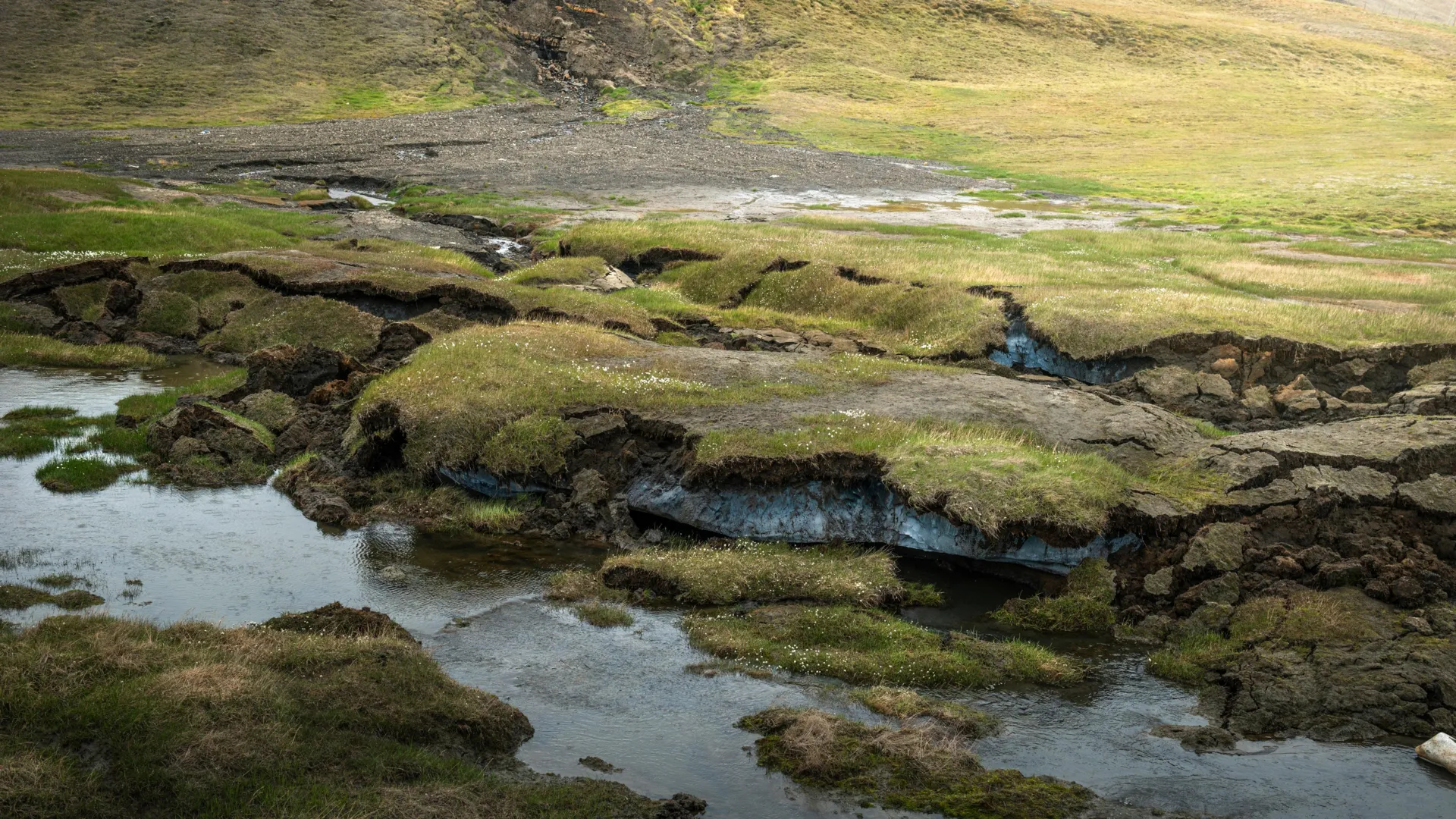
The Arctic is undergoing a profound transformation, with thawing permafrost fundamentally altering its river systems and unlocking ancient carbon reserves. This multifaceted phenomenon, detailed in a significant new study, underscores the interconnectedness of our planet's systems and the cascading impacts of climate change. By leveraging decades of high-resolution data from northern Alaska, researchers have meticulously documented increasing river runoff, a marked rise in dissolved carbon transported by these waterways, and an extended thawing season that now reaches deeper into autumn. These empirical findings provide a critical baseline for understanding the immediate and long-term consequences of these changes, highlighting a dynamic system responding rapidly to warming temperatures.
This release of ancient carbon is not merely a localized event; it represents a significant feedback loop in the global climate system. As permafrost, which has held organic matter frozen for millennia, thaws, this material decomposes. A portion of this decomposed carbon is carried by rivers, ultimately reaching the ocean. Once in the marine environment, some of this dissolved organic carbon is converted into carbon dioxide, a potent greenhouse gas. This process, amplified by the sheer scale of the Arctic's carbon stores, contributes to further warming, creating a self-reinforcing cycle that demands our urgent attention and a deeper, integrated understanding of ocean intelligence.
World Data Ocean views this research as a crucial advancement in our ongoing effort to provide validated, measurable insights into the Earth's most critical systems. The study's reliance on longitudinal data and precise scientific analysis aligns with our commitment to fostering a comprehensive, data-driven approach to ocean stewardship. Understanding these complex interactions, from the thawing landscapes of the Arctic to the carbon cycles within our oceans, is paramount. It reinforces the necessity of global collaboration and technological innovation to monitor, analyze, and ultimately address the challenges posed by a changing climate, ensuring that knowledge drives protection for our shared planet.