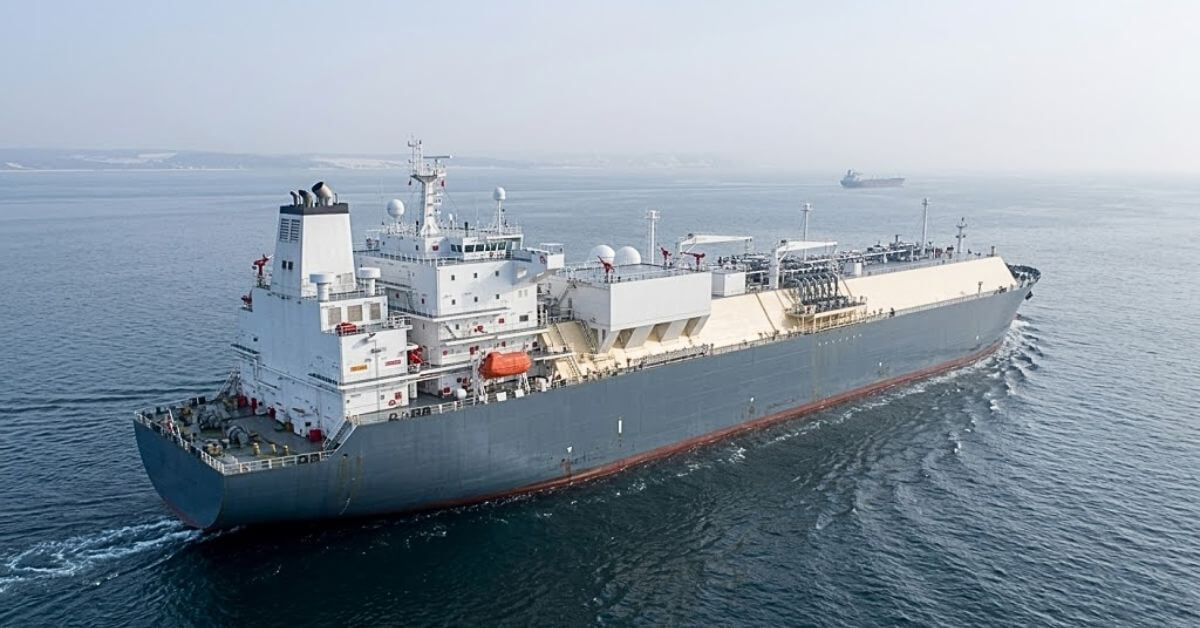
The resumption of Arctic LNG flow and its initial shipment to China, occurring amidst ongoing European Union restrictions, underscores the dynamic and evolving landscape of global energy markets and their intricate connection to geopolitical realities. From a scientific and data-driven perspective, this development prompts a closer examination of its broader implications, moving beyond immediate economic or political narratives to focus on the underlying environmental and logistical factors at play. The Arc7 ice-class tanker, Vladimir Rusanov, embarking on its journey from Russia’s Arctic port of Murmansk, highlights the critical role of specialized technology and infrastructure in enabling resource extraction and transportation in challenging environments. This capability, while facilitating trade, also necessitates a rigorous assessment of its environmental footprint, particularly concerning emissions, potential spill risks, and the long-term impact on sensitive Arctic ecosystems.
Our approach to understanding such events prioritizes the collection and analysis of validated, measurable data. This includes tracking the precise volume and composition of the shipped LNG, monitoring the vessel's route and operational efficiency, and assessing any associated environmental metrics, such as atmospheric emissions. Understanding the energy dynamics involves a longitudinal perspective, considering how these shipments fit into broader global energy demand patterns and the effectiveness of various supply chains. The integration of real-time monitoring systems and the application of empirical analysis are crucial for providing an objective overview. This allows us to move beyond speculation and establish a clear, evidence-based understanding of the event’s significance, contributing to a more informed global dialogue on energy security and sustainable resource management.
The broader context of EU restrictions adds another layer of complexity, emphasizing the interconnectedness of energy, policy, and international relations. While these restrictions aim to achieve specific geopolitical objectives, their impact on energy flows and market stability warrants careful, data-informed observation. World Data Ocean is committed to providing the calibrated insights necessary to navigate these complexities, fostering a collaborative environment where comprehensive ocean intelligence can inform decisions. By focusing on objective, peer-reviewed findings and a commitment to transparency, we aim to illuminate the multifaceted impacts of such developments, promoting a shared understanding of the challenges and opportunities inherent in global resource management and ocean stewardship.