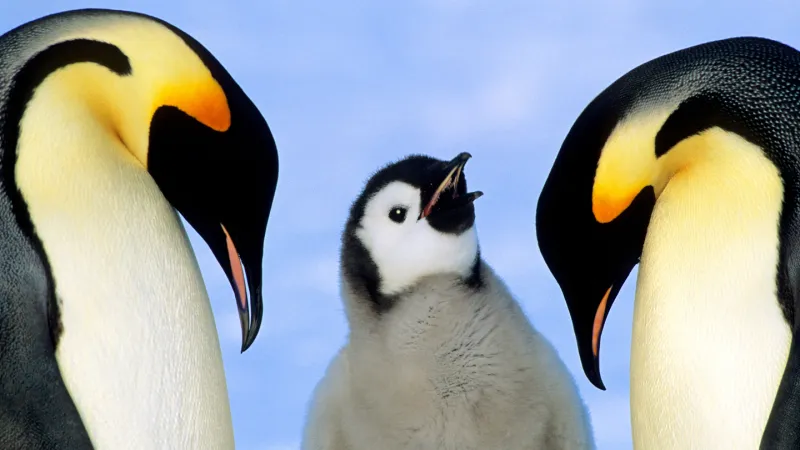
The recent reclassification of Antarctica’s iconic penguins and seals to endangered status serves as a stark, measurable indicator of the profound impacts of climate change on polar ecosystems. World Data Ocean views this development not as an isolated event, but as a critical data point within a larger, longitudinal study of planetary health. Our work is fundamentally rooted in the belief that robust, validated data is the bedrock of effective conservation strategies. The observable declines in these populations underscore the urgent need for an integrated data ecosystem that can provide real-time insights into the cascading effects of rising global temperatures on even the most remote and seemingly resilient environments.
This scientific consensus, driven by empirical observation and peer-reviewed analysis, highlights a critical juncture in our understanding of ocean dynamics. The challenges faced by Antarctic wildlife are intrinsically linked to broader oceanographic shifts, including changes in sea ice extent, ocean acidification, and altered prey availability. These are not abstract concepts but quantifiable climate indicators that our technologies are designed to track and interpret. By providing a calibrated, comprehensive view of these interconnected systems, World Data Ocean aims to equip researchers, policymakers, and global stakeholders with the ocean intelligence necessary to move beyond reactive measures towards proactive, science-informed stewardship.
The path forward demands a commitment to global collaboration, building upon the foundation of shared knowledge and validated findings. The urgency of the situation in Antarctica compels us to reinforce the principle that understanding drives protection. Our role is to facilitate this understanding by making complex oceanographic data accessible and actionable. Through our innovative approach to data integration and analysis, we are dedicated to illuminating the intricate relationships within our oceans, ensuring that the critical insights derived from scientific inquiry can translate into impactful conservation efforts for all of Earth’s vital marine life.