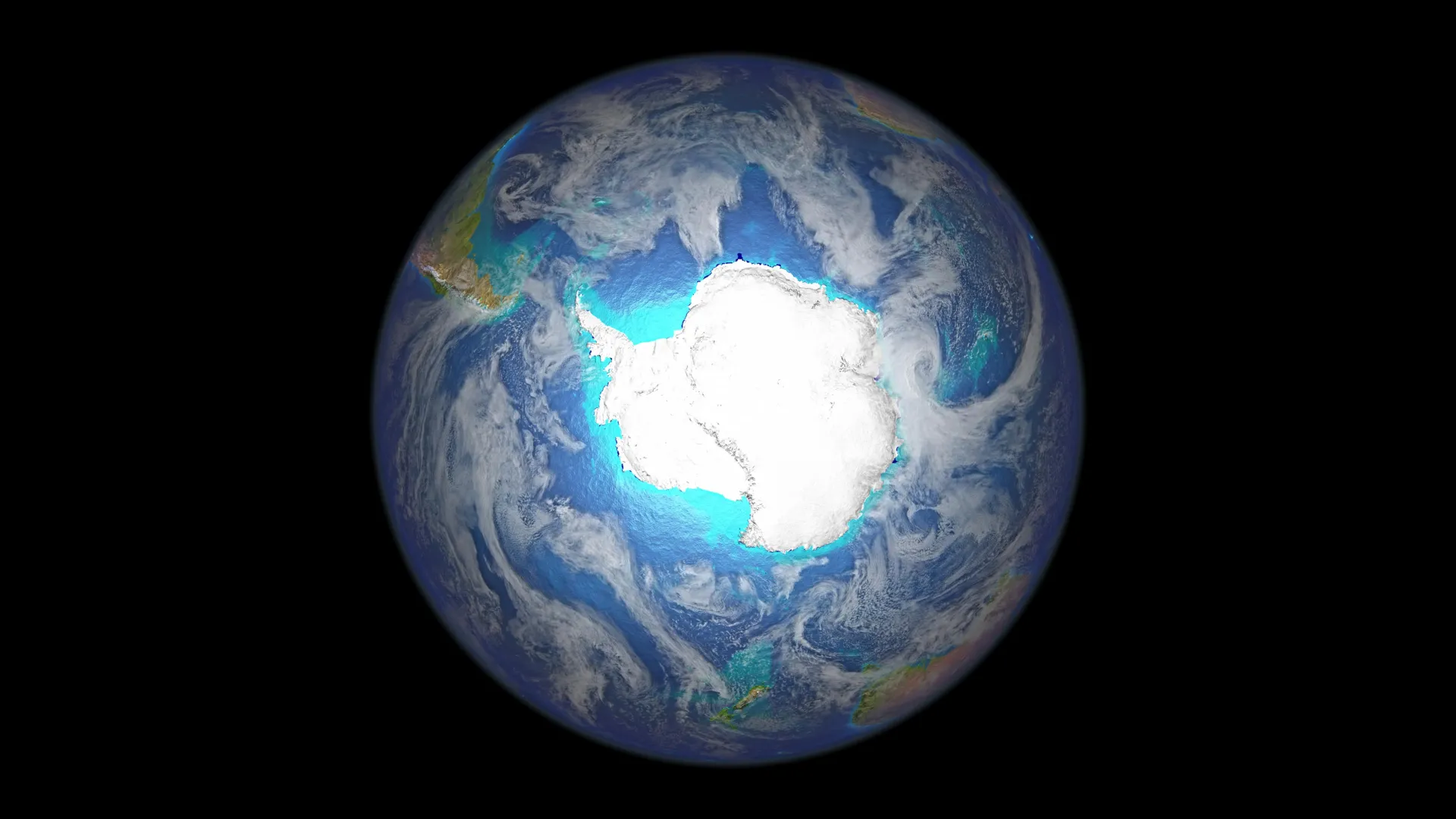
The recent study suggesting that Antarctica’s ice sheet reached a climate tipping point approximately one million years ago highlights a critical juncture in our understanding of glacial sensitivity and its implications for contemporary climate dynamics. This research indicates that the ice sheet's responsiveness to temperature and CO2 fluctuations has been significantly greater than previously recognized. As climate change accelerates, this newfound sensitivity raises urgent questions about the future of not only Antarctica but also global sea levels and coastal ecosystems. Such revelations resonate with findings from related studies, including Feeding and reproduction of the tropical coastal copepod Pseudodiaptomus annandalei across warming and copper exposure levels and Responses of phytoplankton functional types to marine heatwaves in China’s marginal seas and adjacent waters, which collectively underscore the interconnectedness of marine systems facing anthropogenic pressures.
Understanding the dynamics of the Antarctic ice sheet is not merely an academic exercise; it is essential for predicting future climate scenarios. The study's findings provide valuable insights into how ice masses may behave under current warming conditions, potentially leading to accelerated melting and significant sea-level rise. The implications of this are profound for coastal communities worldwide, many of which are already grappling with the impacts of climate change. As researchers warn, the sensitivity of the ice sheet could inform us about the thresholds we may be nearing today. These insights demand our immediate attention as they challenge us to reconsider our climate projections and strategies for mitigation and adaptation.
Moreover, this study places Antarctica at the forefront of climate research, necessitating a collaborative global response. The urgency to address these developments is echoed in the ongoing discussions about the digital transformation of global fisheries, as highlighted in our piece on The digital transformation of global fisheries: a review of governance shifts and economic impacts. This interplay between ecological systems and economic activities underscores the need for integrated approaches to ocean stewardship. The responsiveness of the Antarctic ice sheet may serve as a harbinger of broader climate shifts, influencing not only marine ecosystems but also human livelihoods and food security.
As we move forward, the question then becomes: how can we harness this knowledge to foster a resilient future in the face of climate change? The critical insights gained from this study should galvanize action across multiple fronts, from policy-making to community engagement. It is essential that we commit to a path of sustainable practices and robust scientific inquiry that addresses the complexities of our changing planet. Continuing to invest in long-term, peer-reviewed research will be vital in developing adaptive frameworks that account for the profound shifts we are likely to face. The dialogue around these findings must evolve into a concerted effort, where the urgency of ocean stewardship is met with decisive action and shared responsibility. The time to act is now, and the lessons from Antarctica could very well shape our collective future in an increasingly warming world.