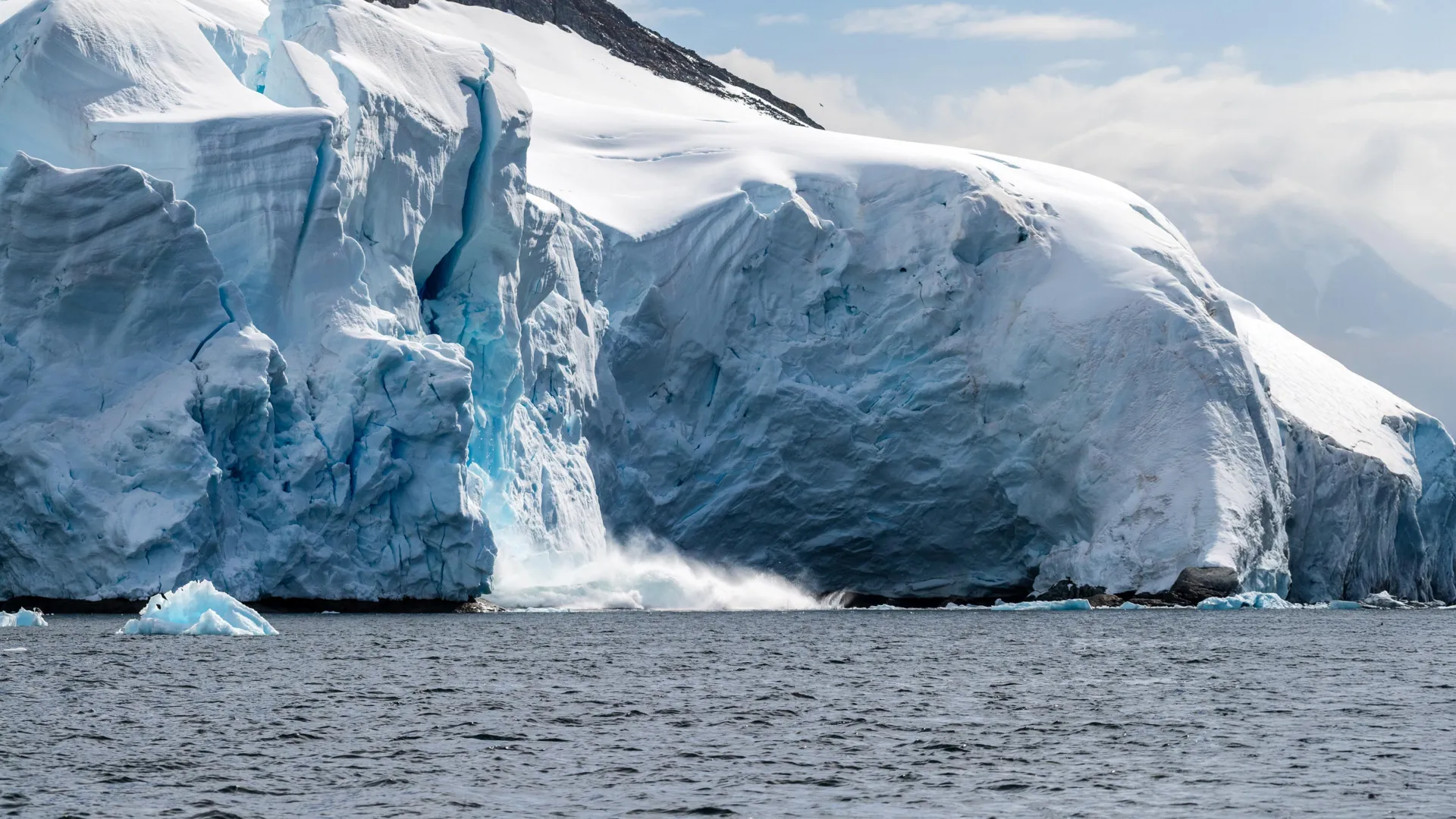
Antarctica, the frozen continent at the planet's southern pole, is undergoing accelerated changes with profound global implications. Recent scientific findings underscore an alarming reality: the continent is not merely warming, but experiencing abrupt shifts that threaten to destabilize global systems. The melting of its vast ice sheets and the weakening of its ice shelves are not abstract environmental concerns; they represent direct threats to coastal communities worldwide through rising sea levels. Furthermore, these changes disrupt critical ocean circulation patterns, impacting weather systems and marine ecosystems far beyond the Antarctic region. The urgency of this situation cannot be overstated, as the scientific community emphasizes that the window for intervention is rapidly closing.
The visible signs of these transformations are stark and concerning. We are witnessing accelerated ice melt, contributing significantly to sea-level rise, and the alarming collapse of ice shelves, which act as crucial buttresses for the glaciers behind them. The disruption to ocean circulation is particularly critical, as these currents play a vital role in regulating global climate and distributing heat and nutrients. For the unique wildlife that calls Antarctica home, these changes translate into existential threats. Species like penguins and krill, which form the foundation of the Antarctic food web, face growing extinction risks as their habitats and food sources are fundamentally altered. This is a clear indicator of cascading ecosystem collapse, driven by climate instability.
The scientific consensus is unequivocal: averting irreversible damage to Antarctica and mitigating its global consequences requires immediate and substantial reductions in greenhouse gas emissions. This is not a matter of incremental adjustments; it demands a decisive shift towards a sustainable future. The data are clear, the trends are measurable, and the projections are stark. The fate of Antarctica is intrinsically linked to the health of our planet, and its accelerated changes serve as a powerful, empirical call to action. Our collective responsibility lies in translating this scientific understanding into impactful, collaborative solutions, ensuring that the vital role of this continent in maintaining global climate stability is preserved for generations to come.