Our Take: Unlocking Earth’s Ancient Narratives
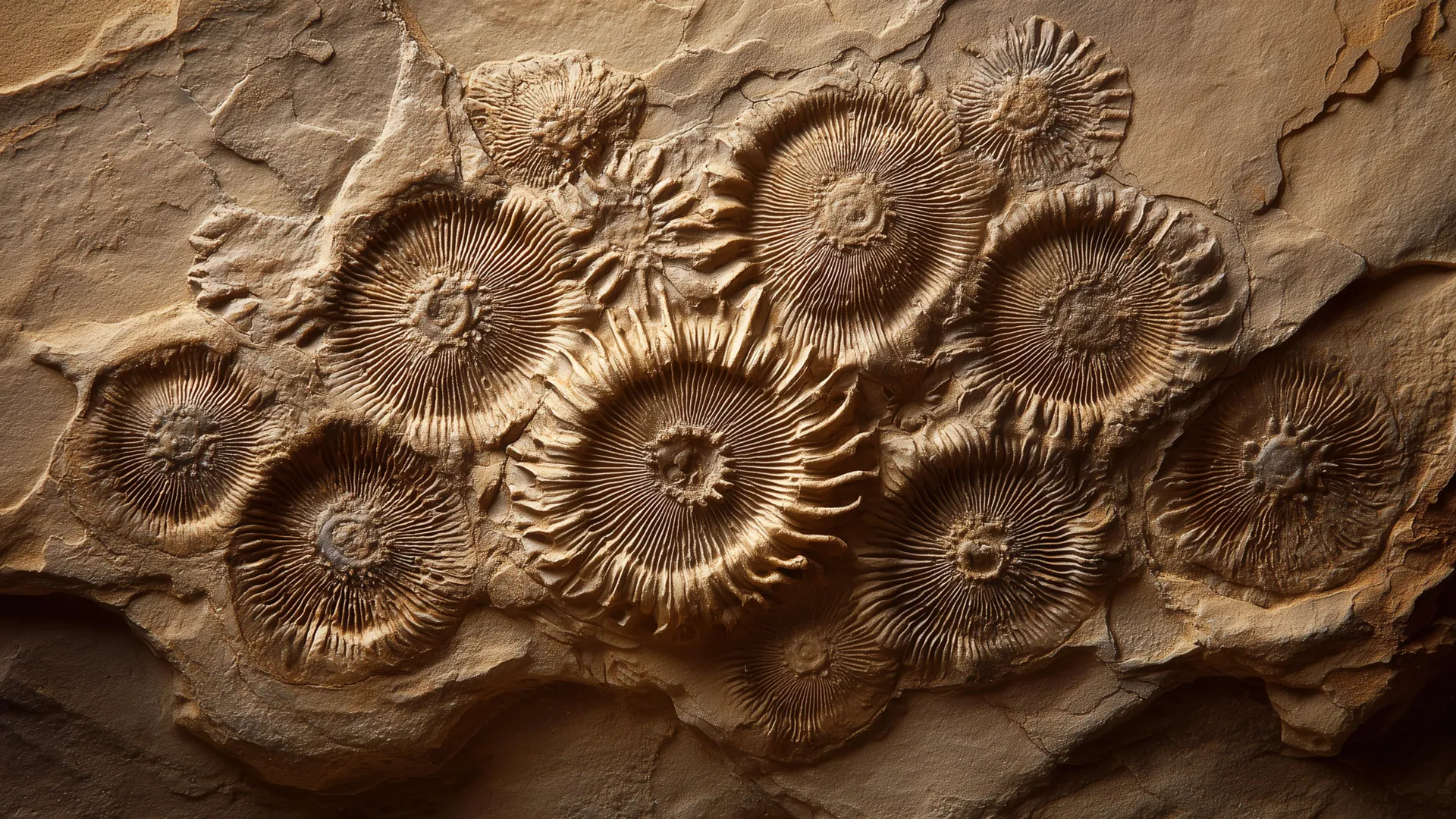
The recent insights into the preservation of the Ediacara Biota offer a compelling testament to the power of understanding deep Earth history through its chemical signatures. The remarkable detail with which these soft-bodied organisms have been preserved, often in environments where such fidelity is unexpected, points to a unique interplay between biological evolution and geological processes. This finding, rooted in the analysis of ancient seawater chemistry, underscores a fundamental principle: the conditions of early Earth were not merely a passive backdrop to the emergence of life, but an active participant in shaping its very form and persistence. By revealing how specific chemical environments facilitated the creation of "clay cements" around these organisms after burial, scientists are not just explaining a paleontological puzzle; they are illuminating the intricate pathways through which life gained a foothold and began its complex diversification, paving the way for the revolutionary explosion of forms that followed.
This discovery exemplifies the critical role of integrated data ecosystems in advancing scientific understanding. The ability to connect ancient seawater chemistry with fossil preservation requires a synthesis of geological, chemical, and biological data, often gathered through innovative technological approaches. The implications extend beyond understanding the Ediacara; they provide a crucial lens through which to view the broader narrative of early life's evolution. The resilience of these delicate organisms, captured by the very chemistry of their environment, suggests that the emergence of complex life may have been more dependent on specific geochemical conditions than previously understood. This knowledge is not only foundational to paleontology but also informs our understanding of habitability on other planets and the long-term geochemical cycles that have sustained life on Earth for billions of years.
At World Data Ocean, we recognize that such breakthroughs are built upon a foundation of rigorous, peer-reviewed research and a commitment to sharing validated findings. The study of ancient seawater chemistry and its impact on fossilization highlights the interconnectedness of Earth's systems and the importance of meticulous, empirical observation. By providing access to and analysis of global ocean data, we aim to empower researchers and policymakers with the insights needed to understand not only the present state of our oceans but also their profound history. This capacity to decipher the past, as demonstrated by the Ediacara Biota research, is indispensable for charting a responsible course for ocean stewardship in the future. It reminds us that understanding the deep currents of Earth's history is an integral part of protecting its vibrant, evolving life.