Our Take: Ancient Fossils Uncover Diverse Ocean Predators After Mass Extinction
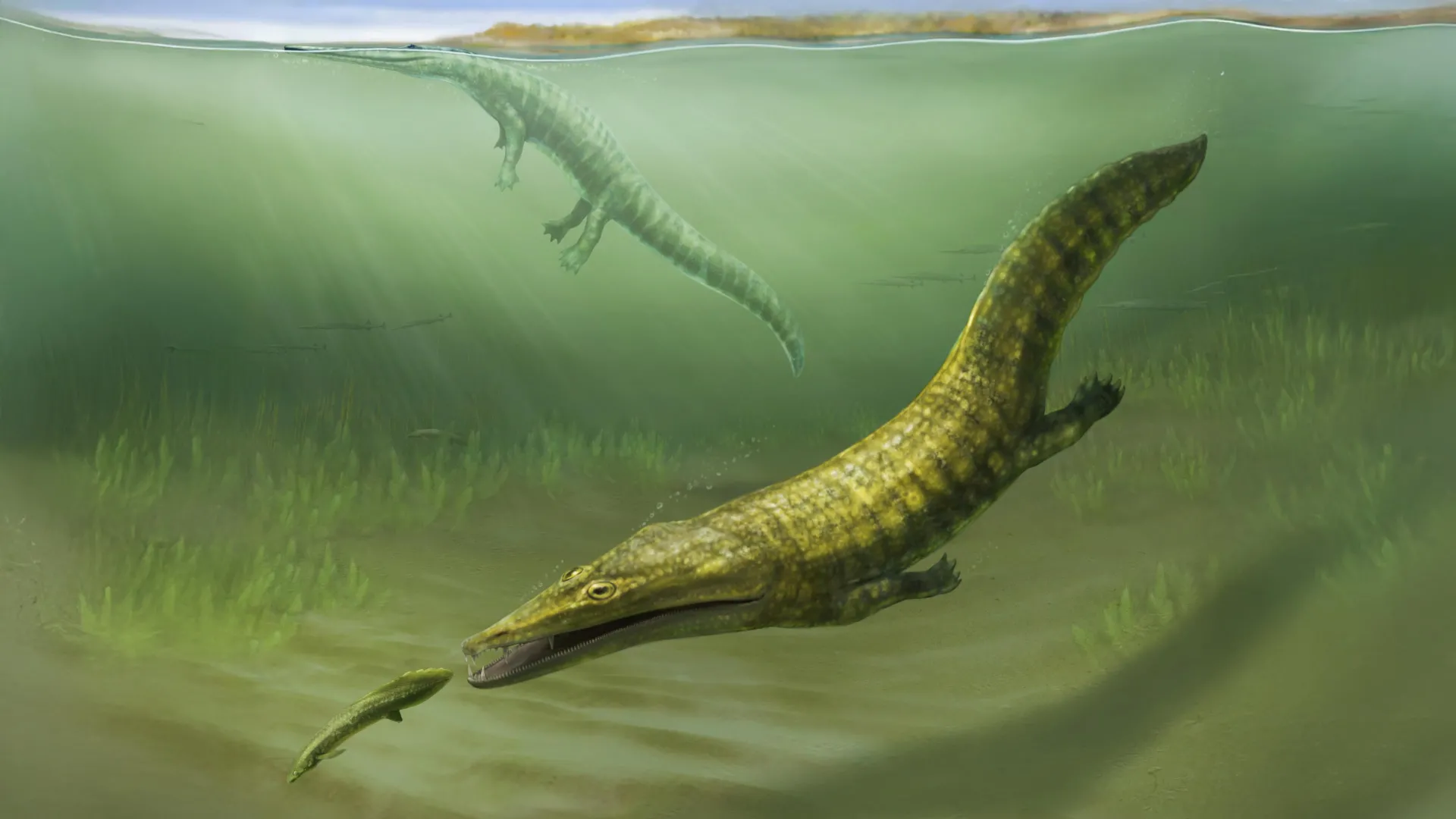
The recent discovery of 250-million-year-old fossils in Australia presents a compelling narrative of resilience and adaptability in our planet's oceans. This significant find challenges previous understandings of marine life's recovery following Earth's most catastrophic mass extinction event. Rather than a slow, singular emergence of a solitary amphibian species, the fossil record now reveals a surprisingly diverse community of early ocean predators actively repopulating marine ecosystems. This evidence underscores the complex and dynamic nature of evolutionary processes, demonstrating that life, even after profound disruption, possesses an inherent drive towards diversification and ecological complexity. The implications are far-reaching, suggesting that the recovery of ocean ecosystems is not a monolithic event but a multifaceted process driven by the varied strategies and capabilities of different species.
Furthermore, this discovery highlights the remarkable dispersal capabilities of early tetrapods. The identification of one predator with relatives spanning from the Arctic to Madagascar is particularly noteworthy. It indicates that these ancient sea-going creatures were not confined to isolated pockets but were capable of widespread geographical distribution with surprising speed. This finding provides valuable empirical data for understanding paleobiogeography and the environmental conditions that facilitated such rapid global colonization. It prompts us to consider the interconnectedness of ancient marine environments and the factors that enabled these early pioneers to navigate vast distances, a testament to their adaptive traits and the potential for global ocean currents to act as conduits for life.
At World Data Ocean, insights like these reinforce our commitment to comprehensive ocean intelligence. Understanding the long-term patterns of life's recovery and dispersal, informed by validated paleontological evidence, is crucial for appreciating the deep history and inherent dynamism of our oceans. This Australian fossil discovery serves as a powerful reminder that the health and diversity of our marine environments are the result of millions of years of adaptation and interconnectedness. By integrating such scientific findings into our understanding, we can better inform current efforts toward ocean stewardship, recognizing that present-day challenges are part of an ongoing, vast evolutionary story. The speed and diversity of recovery observed in these ancient oceans offer a perspective on the potential for future resilience, provided we act with informed purpose and a commitment to collaborative conservation.