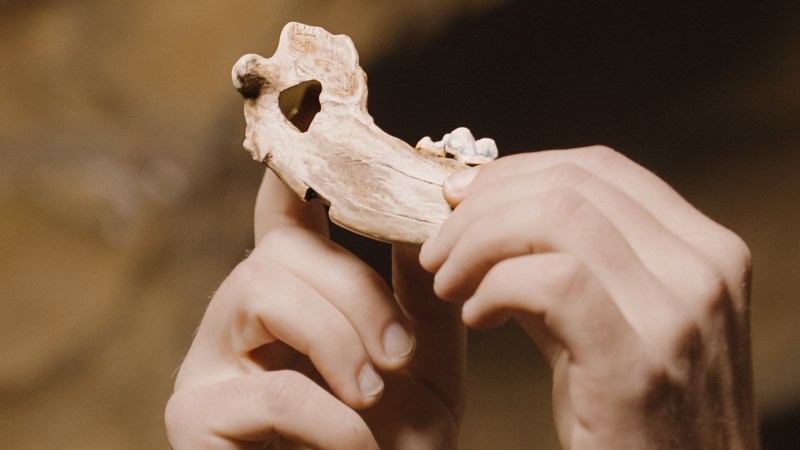
Our Take: The recent findings suggesting genetically stable dogs cohabited with humans in Europe as early as 14,000 years ago offer a compelling glimpse into a deeply intertwined past. This discovery, rooted in rigorous ancient DNA analysis, underscores the enduring relationship between humanity and the Canis lupus familiaris, pushing back our understanding of this pivotal domestication event. For World Data Ocean, this research resonates not only as a fascinating piece of biological history but also as a powerful reminder of the long-term, evolving partnerships that shape our planet. The ability to reconstruct such intricate narratives from fragmented genetic evidence highlights the power of innovative scientific methods to illuminate complex ecological and anthropological histories.
This revelation prompts us to consider the implications for our own present-day endeavors. Just as ancient humans and dogs formed a stable, mutually beneficial relationship, World Data Ocean is committed to fostering similar collaborative ecosystems for data. Our work in integrating diverse datasets, from satellite observations to in-situ measurements, aims to create an ‘ocean intelligence’ system that is both comprehensive and accessible. The precision revealed in these genetic studies mirrors our own dedication to validated, measurable, and peer-reviewed data. By understanding the long-term, longitudinal development of relationships, whether between species or between data sources, we can build more robust foundations for future action. This historical perspective reinforces the importance of our mission: to provide the clear, empirical insights necessary for informed decision-making regarding ocean stewardship.
The presence of genetically stable dogs so early in European history implies a degree of co-evolution and integration into human societies. This parallels our vision for an integrated data ecosystem, where disparate pieces of information coalesce to form a coherent and actionable whole. The scientific rigor employed in these studies, emphasizing empirical evidence and calibrated analysis, aligns perfectly with the core principles of World Data Ocean. We believe that understanding the deep past, much like understanding the present state of our oceans, requires a commitment to clarity, accuracy, and a collaborative spirit. As we continue to develop advanced technological solutions for ocean data, we are inspired by these discoveries to emphasize the long-standing, impactful relationships that have shaped life on Earth, and to build the tools that will help us preserve and understand them for generations to come.