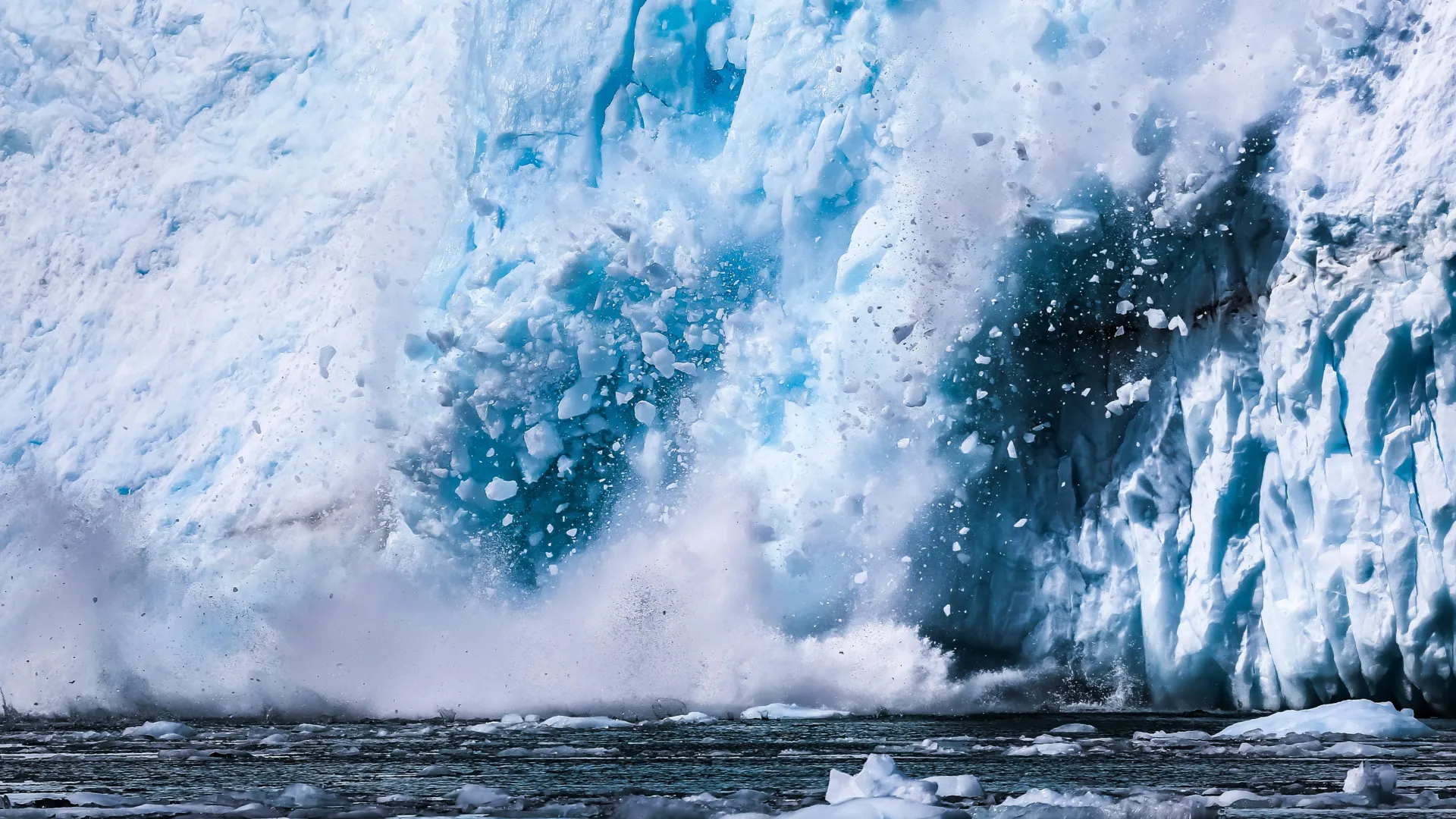
The observed acceleration of Alaska’s coastal sea ice retreat presents a critical juncture, demanding our focused attention and a comprehensive understanding of its far-reaching implications. For decades, scientific inquiry has meticulously documented shifts in Arctic sea ice extent and duration, but recent findings indicate a concerning acceleration, particularly along Alaska’s coastlines. This retreat is not a gradual decline but a pronounced shortening of the sea ice season, with later formation in autumn and earlier break-up in spring. Even regions historically characterized by greater stability, such as the Beaufort Sea, are now experiencing these profound changes. This measurable alteration in a fundamental Arctic characteristic underscores the urgency of our mission at World Data Ocean: to provide the validated, real-time data necessary for informed action.
The impact of this shrinking sea ice is profoundly felt by the communities that have long depended on it. For Indigenous populations and coastal residents, stable sea ice has been a crucial element for safe travel, predictable hunting grounds, and a natural buffer against the harsh realities of the Arctic environment. The diminishing ice season introduces significant risks, transforming traditional travel routes into hazardous passages and disrupting subsistence hunting practices that are vital for food security and cultural continuity. Furthermore, the loss of protective sea ice leaves coastlines more vulnerable to erosion, threatening infrastructure and the very existence of coastal villages. These are not abstract projections; they are tangible consequences directly linked to measurable environmental shifts, highlighting the imperative for integrated data ecosystems that can illuminate these complex interactions.
At World Data Ocean, our commitment lies in transforming raw data into actionable ocean intelligence. The accelerating sea ice retreat in Alaska serves as a powerful case study, demonstrating the power of longitudinal, empirical data to inform policy and community resilience efforts. By providing calibrated, peer-reviewed insights, we empower researchers, policymakers, and affected communities with the knowledge needed to navigate these challenges. Our work emphasizes the interconnectedness of Earth systems, recognizing that changes in sea ice are not isolated events but indicators of broader climatic trends. Understanding these dynamics through a lens of scientific authority and global collaboration is essential if we are to foster effective stewardship and ensure a sustainable future for both human populations and the invaluable marine environments they inhabit.