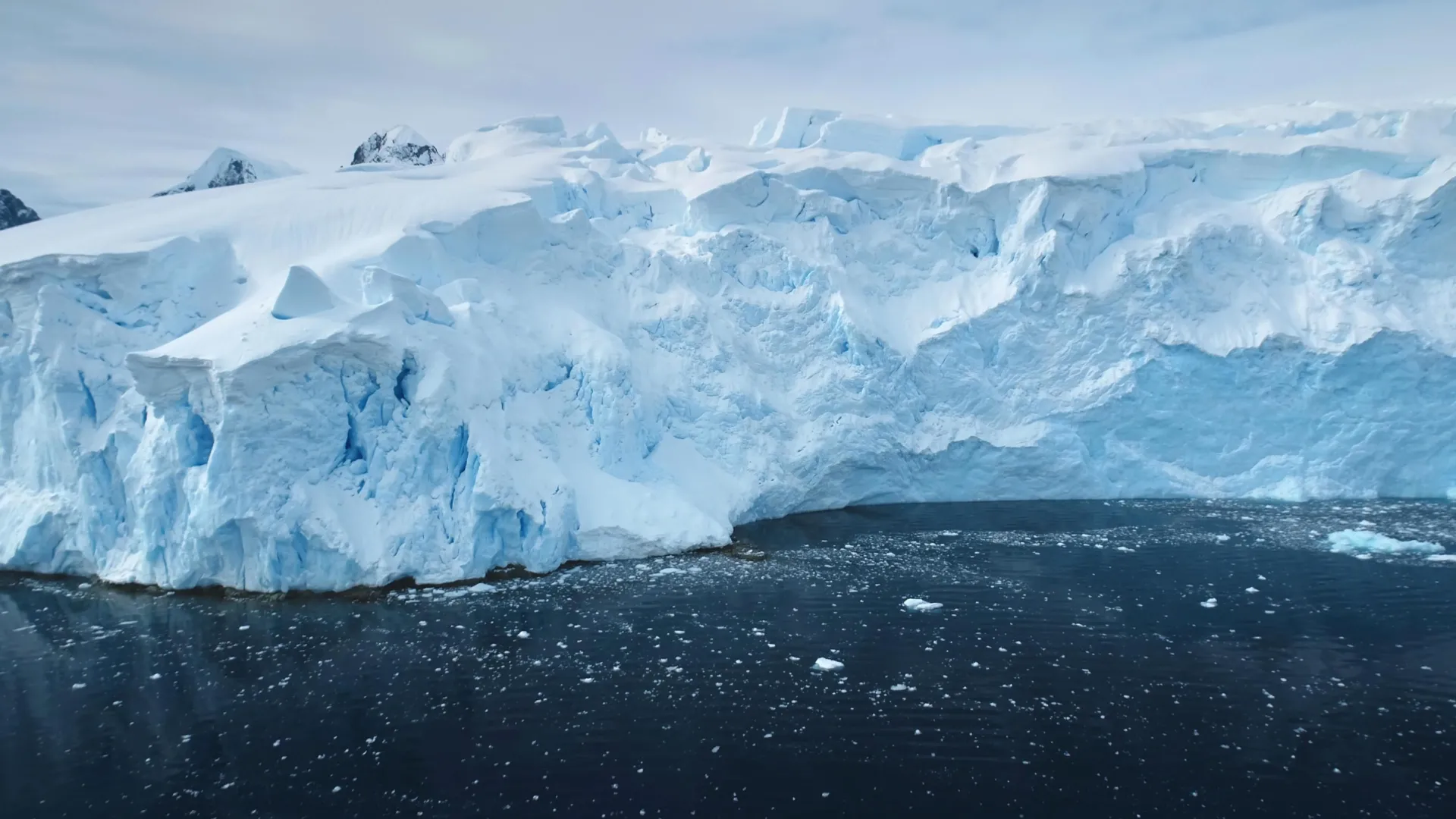
The Thwaites Glacier, a colossal ice formation in West Antarctica, is exhibiting a concerning acceleration in fracture patterns on its Eastern Ice Shelf. Analysis of two decades of satellite and GPS data reveals a significant weakening of its hold on a critical stabilizing point. This observed increase in fracturing, coupled with a measurable increase in ice speed, signals a growing instability that warrants our focused attention. The implications of such changes extend beyond the immediate vicinity of Thwaites; scientists caution that these dynamics could indeed spread to other vulnerable Antarctic ice shelves, highlighting a systemic challenge to global ocean health.
This scientific observation underscores the importance of integrated data ecosystems for understanding complex cryospheric processes. The longitudinal, real-time monitoring facilitated by advanced satellite and GPS technologies provides the empirical evidence necessary to track these subtle yet crucial shifts. The accelerating fracture patterns are not merely isolated events but are indicative of larger forces at play, likely influenced by warming ocean temperatures and atmospheric changes. Understanding these forces requires a commitment to rigorous scientific inquiry and the continuous collection of validated, measurable data. The progress of science, in this instance, directly informs our ability to predict and potentially mitigate future impacts.
The findings regarding Thwaites Glacier serve as a potent reminder of our shared responsibility for ocean stewardship. The interconnectedness of Earth's systems means that changes in the Antarctic ice sheet have far-reaching consequences for global sea levels and climate patterns. World Data Ocean is committed to providing the ocean intelligence necessary for informed decision-making and collaborative action. By translating complex scientific findings into accessible, purpose-driven insights, we aim to empower researchers, policymakers, and the global community to act with urgency and precision. The accelerating fracture patterns are a call to action, reinforcing the critical need for continued innovation, global collaboration, and a deep, data-driven understanding of our planet's most vital ecosystems.