A massive plume deep beneath Africa is pulling the continent apart
Our take
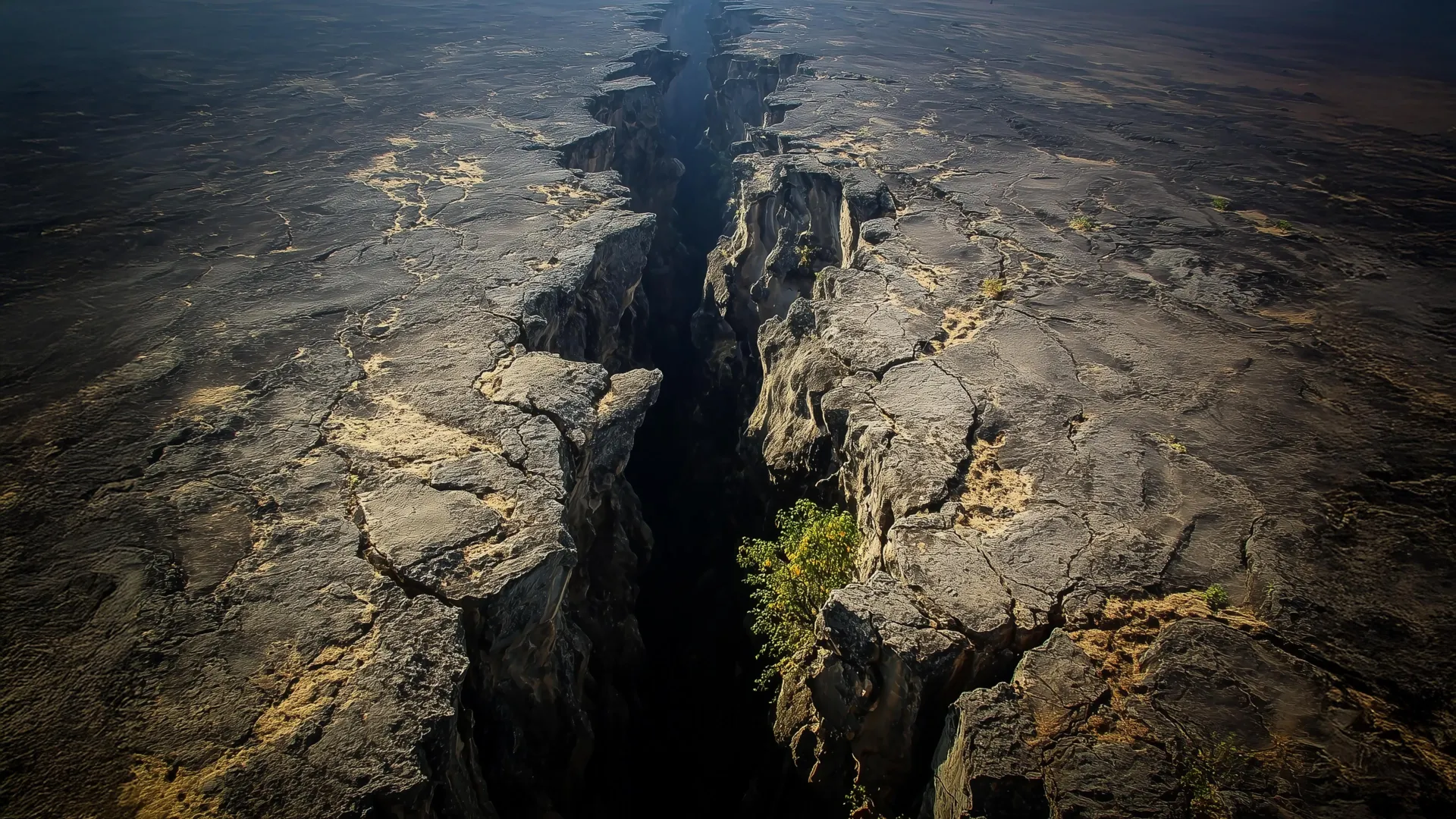
The recent discovery of a massive mantle plume beneath Africa, implicated in the ongoing rifting of the East African Rift System, underscores the profound and often unseen forces shaping our planet's geology. While surface-level tectonic activity frequently dominates discussions of continental movement, this finding highlights the crucial role of deep-Earth processes. The plume, a rising column of hot, buoyant rock originating deep within the Earth’s mantle, appears to be working in concert with shallower geological forces to pull the continent apart, a process that could eventually lead to the formation of a new ocean basin. This is not an isolated event; recent research has also revealed a surprising ice reservoir hidden beneath Utah’s mountains Scientists find a huge hidden ice reservoir beneath Utah’s mountains, demonstrating the complexity of subsurface geological features, and further research has shown how forces deep inside Earth played a key role in Antarctica’s early glaciation Forces deep inside Earth helped Antarctica freeze before the Arctic. Understanding these deep-seated mechanisms is paramount to accurately modeling and predicting future geological events.
The implications of this discovery extend beyond simply documenting continental rifting. The East African Rift is a particularly fascinating region, offering a unique opportunity to observe continental breakup in real-time, albeit over geological timescales. The interaction between the rising plume and the existing fault lines within the rift zone is complex, and the precise dynamics governing the rate and direction of rifting are still being investigated. This research builds upon previous findings regarding the deep ocean floor, particularly in regions like the Indian Exclusive Economic Zone, where mapping efforts are ongoing to understand the depth and structure of these underwater landscapes What is the deepest point on the ocean floor in Indian EEZ. Data integration across these diverse geological settings—from subsurface ice reservoirs to deep-sea trenches and mantle plumes—is becoming increasingly vital for a comprehensive understanding of Earth’s systems.
The methodology employed to detect and characterize this mantle plume is also noteworthy. Seismic tomography, which utilizes variations in seismic wave speeds to image the Earth's interior, played a crucial role in identifying the plume's presence and extent. This technique, coupled with geodynamic modeling, allows scientists to infer the plume's thermal and compositional properties, providing insights into the processes occurring within the mantle. The reliance on empirical data and peer-reviewed research reinforces the scientific rigor underpinning this discovery, a cornerstone of our commitment to validated knowledge. Further calibration of these models with ongoing geological observations will refine our understanding of mantle convection and its impact on surface processes. The integrated data ecosystem required for such analyses represents a significant advancement in Earth science, allowing for a more holistic view of our planet’s dynamic systems.
Ultimately, this finding reinforces the interconnectedness of Earth’s systems and the importance of long-term, longitudinal studies to unravel the complexities of geological processes. As we continue to refine our observational capabilities and improve our computational models, we can expect to uncover even more insights into the forces shaping our planet. A critical question arising from this research is whether similar, yet undiscovered, mantle plumes are influencing other continental regions, and to what extent these deep-Earth forces contribute to global climate patterns and sea-level changes – a question that demands further investigation and underscores the urgency of ocean intelligence.
Read on the original site
Open the publisher's page for the full experience