Africa
Africa at World Data Ocean is a file of 7 stories. The newest of them: “Africa's population projected to double by 2070, reshaping global climate indicators”, “Sub-Saharan Africa holds one in six people but two-thirds of global extreme poverty”, and “Shifting Malaria Risks: Climate Change Reshapes Disease Patterns in Africa”. Africa's population is projected to double by 2070, a shift that will fundamentally reshape global climate indicators. Sub-Saharan Africa is home to one in six people globally, yet it accounts for two-thirds of the world's extreme poverty. A Global Hub for Ocean Intelligence 4 World Data Ocean is a centralized digital platform where researchers, scientists, and ocean enthusiasts converge to… The list below is every Africa story on World Data Ocean, newest first.
Africa's population projected to double by 2070, reshaping global climate indicators
Africa's population is projected to double by 2070, a shift that will fundamentally reshape global climate indicators. This growth concentrates where resources are already strained, making integrated data ecosystems essential for tracking emissions, resource use, and human development. Understanding these dynamics is not optional, it drives protection. For deeper context, see our related analysis on how Sub-Saharan Africa holds one in six people yet accounts for two-thirds of global extreme poverty. The data is clear, and the urgency is measurable.
Sub-Saharan Africa holds one in six people but two-thirds of global extreme poverty
Sub-Saharan Africa is home to one in six people globally, yet it accounts for two-thirds of the world's extreme poverty. That is a measurable imbalance demanding more than awareness, it demands integrated, data-driven solutions. Understanding the scale of this disparity is the first step toward meaningful change. Our related coverage of global trust levels across integrated data ecosystems reveals how such measurable differences can inform collaborative action. These are not separate stories; they are calibrated indicators of our shared reality.
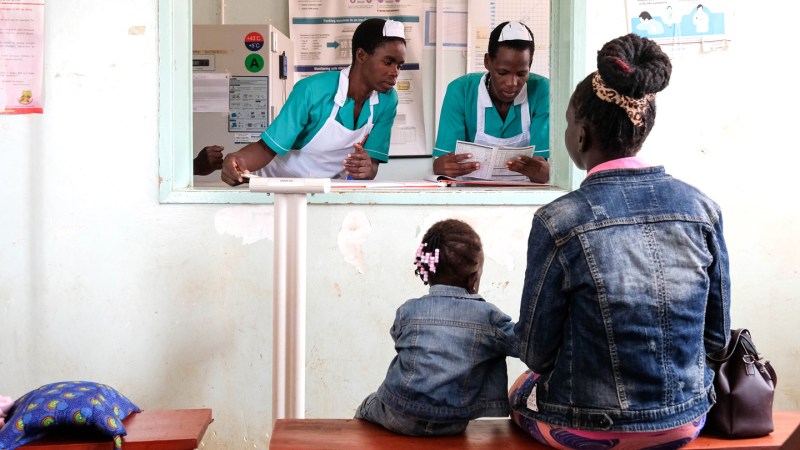
Shifting Malaria Risks: Climate Change Reshapes Disease Patterns in Africa
Climate indicators now show a measurable shift in malaria's footprint across Africa. Historic data and validated predictions point to rising case counts in East Africa and southern regions, while the threat may ease in West and Central Africa. This is not alarmism, it is empirical evidence demanding adaptive planning. Understanding drives protection. For deeper context on climate-driven systems change, see our related analysis on "Transformative Coastal Adaptation: Analyzing Systems for Climate Resilience."
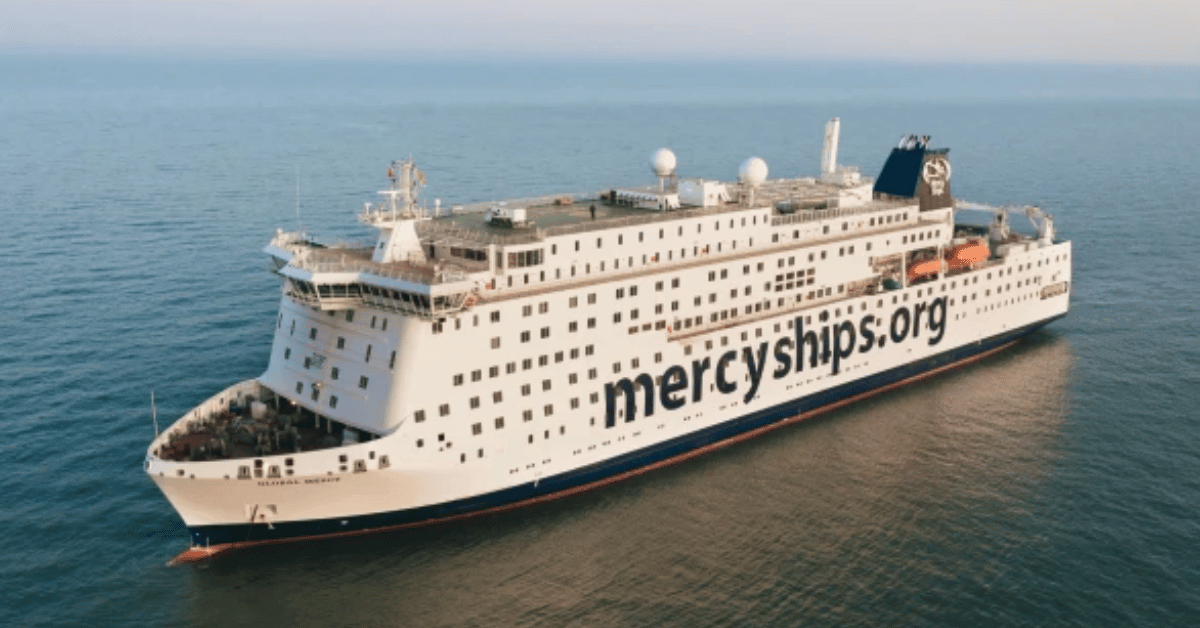
Reliable Power for Global Healthcare: Wärtsilä Supports Mercy Ships' Mission
Reliable power is the quiet backbone of global healthcare, and Wärtsilä's new multi-year service agreements with Mercy Ships ensure that truth holds steady at sea. By enhancing the reliability and maintenance of the organization's two hospital ships, this partnership sustains critical medical missions where uptime is non-negotiable. It is a measured, practical commitment to operational excellence. For broader context on how climate shifts affect health logistics, our related coverage on shifting malaria risks in Africa offers a telling parallel.

Deep Earth Plume Drives Continental Rift Formation Under Africa
A vast plume rising from deep inside Earth is reshaping the East African Rift, driving the continent's slow pull apart. This discovery links mantle forces with shallower geological activity, offering a clearer picture of a process we are only beginning to map. Understanding these deep dynamics matters; they are not abstract, but active. For more on how tectonic forces unfold in real time, see our coverage of Cascadia's fragmented subduction zone.

Durban’s Historic Dock Greets Oil Tanker After Decade-Long Hiatus
The 228-metre crude oil tanker *Troy* has arrived at Durban's historic Prince Edward Graving Dock, marking the port's first such berth in a decade. Transnet National Ports Authority's welcome signals a measured return to routine industrial operations, one that balances legacy infrastructure with present-day logistics. The hiatus was long, but the dock's purpose remains clear: precise, functional service. For context on regional maritime pressures, our report on the drone strike near the Strait of Hormuz offers a useful counterpoint.

Integrated Data Supports Humanitarian Aid Across Africa and South Asia
The Auspicious Ark has set sail, carrying the Chinese Navy's hospital ship toward humanitarian missions across Africa and South Asia. This deployment underscores how integrated data ecosystems can sharpen the coordination such efforts demand. We see this as a practical convergence of logistics and care, where real-time information guides decisions. For deeper context on how subsea infrastructure supports regional connectivity, readers may explore our piece on integrated subsea cables. The mission reflects a broader truth: effective aid relies on the quiet precision of shared knowledge.