World Data Ocean

A Global Hub for Ocean Intelligence 4 World Data Ocean is a centralized digital platform where researchers, scientists, and ocean enthusiasts converge to explore, analyze, and share the latest data… Read more

Page 51

Definitive Global Map of Ocean Floor Doubles Data - hydro-international.com
"World Data Ocean" - Google News

Definitive Global Map of Ocean Floor Doubles Data - hydro-international.com

The recent release of a definitive global map of the ocean floor has doubled the available data, significantly enhancing our understanding of marine environments. This comprehensive mapping initiative utilizes advanced technology to provide empirical insights into underwater topography, vital for climate research and ocean stewardship. By integrating real-time data and peer-reviewed findings, this innovative resource fosters global collaboration among researchers, policymakers, and ocean enthusiasts. The enhanced dataset not only supports ongoing scientific endeavors but also underscores the urgency of responsible ocean management and protection.
How much of global greenhouse gas emissions come from plastics? - Our World in Data
"World Data Ocean" - Google News

How much of global greenhouse gas emissions come from plastics? - Our World in Data

Plastics play a significant role in global greenhouse gas emissions, with their production and disposal contributing to climate change. Understanding the extent of these emissions is crucial for developing effective strategies to mitigate their impact. According to Our World in Data, a comprehensive analysis reveals the percentage of emissions attributable to plastics, highlighting the need for enhanced recycling, innovative materials, and sustainable practices. This data underscores the urgency of addressing plastic pollution as part of a broader commitment to ocean stewardship and climate resilience.
Fish and Overfishing - Our World in Data
"World Data Ocean" - Google News

Fish and Overfishing - Our World in Data

The "Fish and Overfishing" section of Our World in Data provides a comprehensive analysis of global fish stocks and the impact of overfishing on marine ecosystems. This resource utilizes validated data to illustrate trends in fish populations, fishing practices, and the socio-economic implications of overfishing. By integrating longitudinal studies and empirical evidence, it highlights the urgency of sustainable fishing practices and the shared responsibility of stakeholders. This data-driven approach fosters informed decision-making to enhance ocean stewardship and ensure the long-term health of our oceans.
Microplastics in the surface ocean, 1950 to 2050 - Our World in Data
"World Data Ocean" - Google News

Microplastics in the surface ocean, 1950 to 2050 - Our World in Data

Microplastics have emerged as a critical environmental concern in the surface ocean from 1950 to 2050. This data-driven analysis by Our World in Data explores the prevalence and impact of microplastics, highlighting longitudinal trends and empirical findings. By integrating real-time data and climate indicators, this resource provides a comprehensive overview of microplastic pollution, its sources, and the implications for marine ecosystems and human health. Understanding these trends is essential for informed decision-making and effective ocean stewardship as we navigate the challenges of a changing climate.
💪Marine Biology Subreddit
Marine Biology Subreddit

Master's Research Survey - How do you like to learn about the Ocean?

Hello everyone! I am a MSc. MARRES student at Université Côte d'Azur, conducting research to explore how we can effectively share the wonders and challenges of our ocean. Your input on this survey will help us understand how diverse audiences engage with and learn about ocean science through various formats. This survey, available in English and French, will take approximately 5-10 minutes to complete. It is entirely anonymous, and your contributions are invaluable for advancing ocean science and outreach. Thank you for participating!
💪oceanography: things about the sea
oceanography: things about the sea

For my major

Exploring the world of marine biology offers a fascinating insight into the intricate ecosystems of our oceans. This series of ten questions delves into the life and experiences of a marine biologist, uncovering what inspires their journey, the essential coursework required, and the daily realities of their profession. From favorite aquatic animals to the challenges faced in the field, these inquiries aim to illuminate the passion and dedication that drive marine biologists in their quest to understand and protect ocean life.
Bahrain Seeks UN Approval To Use Force In Strait Of Hormuz To Protect Shipping
Marine Insight

Bahrain Seeks UN Approval To Use Force In Strait Of Hormuz To Protect Shipping

Bahrain is pursuing United Nations approval to authorize the use of force in the Strait of Hormuz, aiming to safeguard maritime shipping routes amid rising regional tensions. Diplomats indicate that the draft resolution is supported by several Gulf Arab nations and the United States, highlighting a collective concern for security in this crucial waterway. However, sources suggest that achieving consensus within the UN remains challenging, and the draft's adoption is deemed unlikely, reflecting the complexities of international diplomacy in the region.
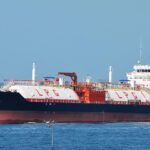
Two Indian LPG Carriers Safely Transit Strait Of Hormuz With Nearly 93,000 Tonnes Of Fuel
Marine Insight

Two Indian LPG Carriers Safely Transit Strait Of Hormuz With Nearly 93,000 Tonnes Of Fuel

Two Indian LPG carriers successfully navigated the Strait of Hormuz on Monday, transporting nearly 93,000 tonnes of fuel. This strategic transit underscores the significance of secure maritime routes in ensuring energy supply stability. The vessels are projected to arrive at Indian ports between March 26 and March 28, highlighting the efficient logistics and coordination involved in such operations. As global energy demands continue to evolve, the safe passage of these carriers exemplifies the importance of maritime safety and international collaboration in the energy sector.
Watch: Cargo Vessel Allides With Jetty After Mooring Lines Snap At India’s Largest Port
Marine Insight

Watch: Cargo Vessel Allides With Jetty After Mooring Lines Snap At India’s Largest Port

A cargo vessel experienced a significant incident at India's largest port when its mooring lines snapped during a sudden thunderstorm. The ship, which was berthed at the CT-3 terminal, was caught off guard by strong gusts and severe weather conditions that began affecting the port early in the morning. This unexpected event highlights the challenges maritime operations face in extreme weather, underscoring the importance of robust safety measures and real-time monitoring to prevent similar occurrences in the future.
U.S. Opens Massive $2.4 Billion “Factory Of The Future” To Boost Nuclear Submarine Production
Marine Insight

U.S. Opens Massive $2.4 Billion “Factory Of The Future” To Boost Nuclear Submarine Production

On March 20, a significant advancement in naval defense capabilities was marked by the opening of a $2.4 billion manufacturing facility in Cherokee, Alabama, dubbed the "Factory of the Future." This state-of-the-art facility aims to enhance the production of U.S. Navy submarines, reflecting a strategic commitment to modernize and expand the nation's underwater fleet. By integrating innovative technologies and methods, this initiative is designed to meet the growing demands for advanced naval capabilities while bolstering national security and supporting local economies.
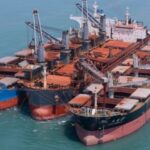
India’s Deendayal Port Carries Out First-Ever Triple Banking Ship-to-Ship Operation
Marine Insight

India’s Deendayal Port Carries Out First-Ever Triple Banking Ship-to-Ship Operation

India's Deendayal Port Authority has successfully executed its inaugural triple banking ship-to-ship operation at Kandla, marking a significant milestone in maritime logistics. This groundbreaking operation involved a complex cargo transfer conducted at sea, showcasing the port's commitment to innovative solutions in shipping. By utilizing advanced techniques and collaborative efforts, Deendayal Port enhances its operational efficiency while maintaining high standards of safety and environmental stewardship.
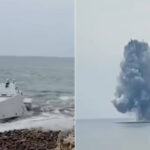
Turkey Destroys Armed US-Made Drone Vessel After It Washes Ashore On Black Sea Coast
Marine Insight

Turkey Destroys Armed US-Made Drone Vessel After It Washes Ashore On Black Sea Coast

Turkey has taken decisive action by destroying an armed US-made drone vessel that washed ashore on its Black Sea coast. This incident marks the fifth occurrence of an unmanned surface vessel appearing on Turkish shores since September 2025, raising concerns about maritime security and the potential risks associated with these technologies. The repeated emergence of such vessels underscores the need for heightened vigilance and international collaboration to manage the challenges posed by autonomous military assets in regional waters.
Ever wondered how long it takes to map a mountain range under the sea? Traditionally, it takes months of painstaking man...
Instagram
@worlddataocean

Ever wondered how long it takes to map a mountain range under the sea? Traditionally, it takes months of painstaking man...

Mapping underwater mountain ranges has traditionally been a labor-intensive process, often taking months of meticulous manual data processing. At World Data Ocean, we are revolutionizing this timeline, reducing it from weeks to mere days through the power of AI. In our latest 'Weekly Ocean Data & Innovation Highlights,' we explore how modern neural networks can process acoustic data up to 25 times faster than human experts.
💪NOAA Ocean Exploration
NOAA Ocean Exploration

Squid in Red

"Squid in Red" explores the fascinating world of cephalopods, highlighting their unique adaptations and ecological significance. Through a scientific lens, this journey examines the intricate behaviors and intelligence of squid, emphasizing their role in marine ecosystems. The narrative underscores the importance of understanding these remarkable creatures, which serve as indicators of ocean health. By integrating empirical research and innovative insights, "Squid in Red" fosters a deeper appreciation for the complexities of ocean life and the urgent need for stewardship in the face of environmental change.
Oceanward surface transport from the NW African upwelling zone by coastal jet detachment and filaments
Frontiers in Marine Science | New and Recent Articles

Oceanward surface transport from the NW African upwelling zone by coastal jet detachment and filaments

This study explores the oceanward surface transport of particles, including marine litter, from the northwestern African upwelling zone. Utilizing the OceanParcels Lagrangian framework, it examines how physical processes, such as coastal jet detachment, upwelling filaments, and Stokes drift, influence particle trajectories. The findings indicate that coastal jet detachment organizes surface transport into narrow corridors, while upwelling filaments create additional export pathways. This research provides critical insights into potential sources of marine litter near the Canary Islands, emphasizing the need for further investigation and observational validation.
The Italian effort toward a coordinated observation of Essential Variables (EOV, ECV, EBV) in European Marine Environments. Long-term observation in the central Mediterranean seas and Italian coasts
Frontiers in Marine Science | New and Recent Articles

The Italian effort toward a coordinated observation of Essential Variables (EOV, ECV, EBV) in European Marine Environments. Long-term observation in the central Mediterranean seas and Italian coasts

Italy's coordinated effort to observe Essential Ocean, Climate, and Biodiversity Variables (EOVs, ECVs, EBVs) in the Mediterranean is pivotal for enhancing environmental assessments and policy development. This study analyzes the capabilities of Italy's marine monitoring system, involving fixed stations, buoys, and autonomous platforms, within the framework of the ITINERIS project. Findings reveal that 50% of the recognized 107 Essential Variables are actively monitored, with over 90% meeting international standards.
Artificial intelligence takes on ocean trash: Cleaning up the world’s beaches with the help of data - Microsoft Source
"World Data Ocean" - Google News

Artificial intelligence takes on ocean trash: Cleaning up the world’s beaches with the help of data - Microsoft Source

Artificial intelligence is revolutionizing the fight against ocean pollution by harnessing data to clean up the world's beaches. This innovative approach combines advanced technologies with real-time information, enabling effective monitoring and management of marine debris. Through collaborative efforts, organizations are leveraging AI to identify pollution hotspots and deploy targeted cleanup initiatives. By integrating ocean intelligence into waste management strategies, we can enhance our understanding of environmental challenges and foster a cleaner, healthier ocean ecosystem for future generations.
World Economic Forum Selects Terradepth for Ocean Data Challenge to Advance Marine Knowledge and Promote Blue Economy - Business Wire
"World Data Ocean" - Google News

World Economic Forum Selects Terradepth for Ocean Data Challenge to Advance Marine Knowledge and Promote Blue Economy - Business Wire

The World Economic Forum has recognized Terradepth as a key participant in its Ocean Data Challenge, aimed at enhancing marine knowledge and fostering a sustainable blue economy. This initiative emphasizes the importance of validated ocean intelligence and collaborative efforts in addressing pressing environmental challenges. By leveraging cutting-edge technology and innovative data solutions, Terradepth seeks to empower stakeholders with the tools necessary for informed decision-making. This partnership underscores the urgency of ocean stewardship and the shared responsibility of advancing marine ecosystems for future generations.
An Ocean in Motion: NASA’s Mesmerizing View of Earth’s Underwater Highways - NASA Science (.gov)
"World Data Ocean" - Google News

An Ocean in Motion: NASA’s Mesmerizing View of Earth’s Underwater Highways - NASA Science (.gov)

Discover the intricate dynamics of our oceans through NASA's groundbreaking exploration of underwater highways in "An Ocean in Motion." This insightful piece showcases how advanced satellite technology unveils the complex currents and movement patterns that shape marine ecosystems. By utilizing empirical data and real-time observations, NASA reveals the vital role these underwater highways play in global climate regulation and ocean health. Engage with a deeper understanding of our planet's aquatic systems and the importance of safeguarding their integrity for future generations.
The Spilhaus World Ocean Map in a Square - ArcGIS StoryMaps
"World Data Ocean" - Google News

The Spilhaus World Ocean Map in a Square - ArcGIS StoryMaps

The Spilhaus World Ocean Map in a Square, featured in ArcGIS StoryMaps, transforms our understanding of oceanic geography by presenting the world's oceans in a unique, square format. This innovative visualization challenges traditional mapping perspectives, allowing for a more comprehensive view of oceanic relationships and dynamics. By integrating empirical data and advanced cartographic techniques, the map promotes ocean intelligence and fosters global collaboration in ocean stewardship.
China Is Putting Data Centers in the Ocean to Keep Them Cool - Scientific American
"World Data Ocean" - Google News

China Is Putting Data Centers in the Ocean to Keep Them Cool - Scientific American

China is exploring innovative solutions to combat the increasing energy demands of data centers by placing them in ocean environments. This initiative aims to leverage the natural cooling properties of ocean water, enhancing the efficiency and sustainability of these facilities. By integrating advanced technology and ocean intelligence, this approach not only addresses cooling challenges but also emphasizes a commitment to environmental stewardship. As global data consumption continues to rise, such forward-thinking strategies may pave the way for more sustainable practices in the tech industry.
Data Interoperability Between Elements of the Global Ocean Observing System - Frontiers
"World Data Ocean" - Google News

Data Interoperability Between Elements of the Global Ocean Observing System - Frontiers

Data interoperability is crucial for enhancing the effectiveness of the Global Ocean Observing System (GOOS). This study published in Frontiers explores the integration of various data elements to foster seamless collaboration among oceanographic research initiatives. By establishing standardized protocols and frameworks, this research aims to enhance the accessibility and usability of ocean data. The findings underscore the importance of a unified approach to data sharing, which is vital for informed decision-making and advancing global ocean stewardship.
Apeiron Labs Closes $9.5 Million Series A to Scale Its Global Ocean Data Platform - Business Wire
"World Data Ocean" - Google News

Apeiron Labs Closes $9.5 Million Series A to Scale Its Global Ocean Data Platform - Business Wire

Apeiron Labs has successfully closed a $9.5 million Series A funding round to enhance its global ocean data platform. This investment will accelerate the development of advanced technologies aimed at improving ocean intelligence and data integration. With a focus on fostering collaboration across disciplines, Apeiron Labs aims to empower researchers and policymakers with validated, real-time insights into ocean health. This funding marks a significant step forward in supporting innovative solutions for sustainable ocean stewardship in the face of climate change challenges.
Follow the Data Podcast: Protecting 30% of the World’s Land and Ocean by 2030 - Bloomberg Philanthropies
"World Data Ocean" - Google News

Follow the Data Podcast: Protecting 30% of the World’s Land and Ocean by 2030 - Bloomberg Philanthropies

In this episode of the Follow the Data Podcast, presented by Bloomberg Philanthropies, we explore the ambitious goal of protecting 30% of the world’s land and oceans by 2030. This initiative underscores the urgency of global conservation efforts and the necessity of collaborative action to safeguard our planet’s biodiversity. Through insightful discussions with experts, we examine the scientific data supporting this goal and the innovative strategies being employed to achieve it.
Scientists are becoming ocean hitchhikers to fill data gaps - Dialogue Earth
"World Data Ocean" - Google News

Scientists are becoming ocean hitchhikers to fill data gaps - Dialogue Earth

In an innovative approach to ocean research, scientists are now acting as "ocean hitchhikers" to address critical data gaps in marine environments. By leveraging advanced technology and collaborative efforts, researchers are enhancing our understanding of ocean dynamics and health. This method allows for real-time data collection across various ecosystems, fostering a more integrated approach to ocean stewardship. As the urgency of addressing climate change intensifies, these initiatives underscore the importance of shared knowledge and collective responsibility in safeguarding our oceans for future generations.
Ocean data is changing how we see the sea. Here's how - The World Economic Forum
"World Data Ocean" - Google News

Ocean data is changing how we see the sea. Here's how - The World Economic Forum

Ocean data is revolutionizing our understanding of marine environments, offering unprecedented insights into their dynamics and health. By integrating advanced technologies and empirical research, we can now monitor climate indicators and ecosystem changes in real-time. This data-driven approach fosters global collaboration among scientists, policymakers, and communities, emphasizing the importance of shared responsibility in ocean stewardship. As we leverage this ocean intelligence, we empower stakeholders to make informed decisions, ensuring a sustainable future for our seas and the myriad life forms they support.
Japan Meteorological Agency|Global ocean heat content - data.jma.go.jp
"World Data Ocean" - Google News

Japan Meteorological Agency|Global ocean heat content - data.jma.go.jp

The Japan Meteorological Agency (JMA) provides crucial data on global ocean heat content, a key indicator of climate change and ocean health. By integrating real-time measurements and longitudinal studies, JMA offers validated insights that enhance our understanding of ocean dynamics. This data is essential for researchers, policymakers, and environmentalists committed to addressing the impacts of climate change. The JMA's comprehensive approach underscores the importance of empirical evidence in fostering informed decision-making and promoting effective ocean stewardship on a global scale.
HD Hyundai To Develop Humanoid Welders For Shipyards Amid Skilled Labour Shortage
Marine Insight

HD Hyundai To Develop Humanoid Welders For Shipyards Amid Skilled Labour Shortage

HD Hyundai is set to revolutionize the shipbuilding industry by developing humanoid welders to address the pressing skilled labor shortage. This innovative approach aims to enhance safety and efficiency in shipyards, where welding tasks pose significant risks to human workers. By integrating advanced robotics into the welding process, HD Hyundai not only responds to the urgent need for skilled labor but also underscores its commitment to technological advancement in the industrial sector. This development represents a pivotal step toward safer and more sustainable shipbuilding practices.
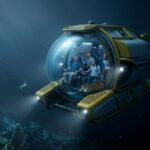
China’s First Deep-Sea Tourism Submersible That Can Dive Up To 1000 Metres
Marine Insight

China’s First Deep-Sea Tourism Submersible That Can Dive Up To 1000 Metres

China is poised to make significant strides in the deep-sea tourism sector with the upcoming launch of its first deep-sea submersible, designed for tourist excursions at depths of up to 1,000 meters. This innovative vessel promises to offer a unique glimpse into the ocean's depths, combining luxury with scientific exploration. As researchers finalize its design, this submersible represents a pivotal moment for marine tourism, highlighting China's commitment to advancing both technology and ocean stewardship while fostering an appreciation for the underwater world.
Iran Threatens To Mine The Persian Gulf If U.S & Israel Attack Its Islands & Coasts
Marine Insight

Iran Threatens To Mine The Persian Gulf If U.S & Israel Attack Its Islands & Coasts

Iran has issued a stern warning regarding potential military action from the United States and Israel, stating that it would respond by deploying naval mines throughout the Persian Gulf. This escalation highlights the region's ongoing tensions and the strategic significance of the Gulf, which is crucial for global maritime trade. The threat underscores Iran's commitment to defending its territorial integrity and could significantly impact maritime security in one of the world's busiest shipping lanes. The situation remains fluid, with global repercussions expected.
U.S Navy’s Largest Aircraft Carrier Reaches Crete For Repairs After Onboard Fire
Marine Insight

U.S Navy’s Largest Aircraft Carrier Reaches Crete For Repairs After Onboard Fire

The USS Gerald R. Ford, the U.S. Navy's largest aircraft carrier, has arrived at Souda Bay Naval Base in Greece for repairs following a fire that occurred in its laundry room on March 12, 2026. This incident highlights the challenges faced by naval operations, necessitating immediate attention to ensure the vessel's operational readiness. The repairs at this strategic location underscore the importance of maintaining fleet capabilities while fostering international collaboration within military operations. The Navy remains committed to safeguarding maritime security and enhancing naval resilience.
Unknown Projectile Strikes Ship Off UAE’s Sharjah Coast, Authorities Launch Probe
Marine Insight

Unknown Projectile Strikes Ship Off UAE’s Sharjah Coast, Authorities Launch Probe

An unidentified projectile struck a ship off the coast of Sharjah, UAE, prompting authorities to launch an immediate investigation into the incident. Fortunately, all crew members aboard the vessel are safe. This occurrence has raised significant concerns regarding maritime safety in one of the world’s busiest shipping lanes, highlighting the potential risks that vessels face in this critical region. As the investigation unfolds, it is essential to assess the implications for shipping operations and regional security amidst increasing tensions.
Unravelling protist trophic complexity and prey-size dynamics in Central Baltic spring blooms
Frontiers in Marine Science | New and Recent Articles

Unravelling protist trophic complexity and prey-size dynamics in Central Baltic spring blooms

Understanding the trophic complexity and prey-size dynamics of protists during the spring blooms in the Central Baltic Sea is crucial for ecosystem insight. This study categorizes the aquatic protist community based on trophic modes and examines how these dynamics correlate with environmental factors. Our findings reveal a significant shift in community composition throughout the spring season, highlighting the intricate relationships between heterotrophic and mixotrophic organisms.
Sequential extraction of carbonate-associated sulfate from calcite and dolomite in carbonate rocks
Frontiers in Marine Science | New and Recent Articles

Sequential extraction of carbonate-associated sulfate from calcite and dolomite in carbonate rocks

Carbonate-associated sulfate (CAS) serves as a crucial geochemical proxy for reconstructing ancient seawater chemistry and microbial activity. Traditional extraction methods using HCl often yield mixed isotopic signals from calcite and dolomite, complicating the analysis. This study introduces a sequential leaching approach utilizing 0.1 mol/L acetic acid for one hour, effectively isolating calcite-hosted CAS while minimizing dolomite dissolution. The findings reveal significant isotopic differences, with calcite-CAS showing δ³4S values approximately 8.22‰ higher than dolomite-CAS, enhancing the
Allocation and adaptation in China’s blue carbon policy: a quantitative textual analysis based on a “theme-instrument-stage” framework
Frontiers in Marine Science | New and Recent Articles

Allocation and adaptation in China’s blue carbon policy: a quantitative textual analysis based on a “theme-instrument-stage” framework

This study explores China's blue carbon policy through a quantitative textual analysis framed by a novel "Instrument-Theme-Stage" framework. Blue carbon policies are vital for climate change mitigation and marine conservation. By evaluating policy documents issued since 2015, the research highlights the current reliance on capacity-building instruments while revealing underutilization of supply-oriented, regulatory, and demand-based tools. Identifying structural imbalances such as disproportionate instrument allocation and weak thematic alignment, the study recommends strategies for rebalancing the instrument mix and enhancing the adaptability of China's blue carbon governance.
Fine-scale proximity to offshore wind turbine foundations increases biomass of demersal fish species
Frontiers in Marine Science | New and Recent Articles

Fine-scale proximity to offshore wind turbine foundations increases biomass of demersal fish species

Research indicates that fine-scale proximity to offshore wind turbine foundations significantly influences the abundance and biomass of demersal fish species. These fixed-bottom structures create artificial habitats, promoting marine life aggregation in a phenomenon known as the ‘artificial reef effect.’ A study at a northern latitude wind farm found that demersal fish, including haddock, exhibited a notable increase in numbers and biomass when located within 30 meters of the foundations compared to those farther away.
Centennial persistence of kelp forests on the West Coast of Vancouver Island, Canada
Frontiers in Marine Science | New and Recent Articles

Centennial persistence of kelp forests on the West Coast of Vancouver Island, Canada

This study examines the centennial persistence of kelp forests along the West Coast of Vancouver Island, Canada, focusing on dynamic canopy-forming species such as bull kelp and giant kelp. Utilizing nearly 170 years of data, including historical British Admiralty charts and modern Sentinel-2 imagery, we analyze kelp distribution across four ecoregions. Our findings reveal that cooler, high-energy regions maintain a high persistence rate of approximately 88%, while warmer ecoregions show significantly lower persistence at 52%.
Optimization of the protein requirement of Channa striata larvae fed graded levels of protein diet
Frontiers in Marine Science | New and Recent Articles

Optimization of the protein requirement of Channa striata larvae fed graded levels of protein diet

This study investigates the optimal dietary protein requirement for Channa striata larvae, focusing on its effects on survival rates, growth performance, and enzyme activity. A total of 4,950 larvae, with an average initial weight of 1.5 mg and length of 0.6 cm, were fed isolipidic diets containing graded protein levels of 40%, 50%, and 60% over 26 days. Results indicate that a protein level of approximately 51% significantly enhances growth performance and survival, while reducing mortality and cannibalism rates, underscoring the importance of precise
Next generation sequencing–driven genomic and transcriptomic profiling of Karenia spp. in Gulf and Middle Eastern environments: diversity, toxin potential, and management
Frontiers in Marine Science | New and Recent Articles

Next generation sequencing–driven genomic and transcriptomic profiling of Karenia spp. in Gulf and Middle Eastern environments: diversity, toxin potential, and management

Next-generation sequencing (NGS) technologies are essential for advancing our understanding of harmful algal blooms (HABs) caused by Karenia spp. in the Arabian Gulf and Middle Eastern environments. As these blooms increasingly threaten desalination infrastructure and aquaculture, transitioning from traditional monitoring to predictive, omics-driven early warning systems is critical. A systematic review of literature reveals that while NGS-based RNA-Seq effectively characterizes toxin biosynthesis mechanisms, significant knowledge gaps persist regarding local strains. Addressing these gaps through integrated regional strategies will enhance ecological management and support sustainability goals.
Decarbonization in Antarctic tourism: integrating the global sectoral and regional regimes
Frontiers in Marine Science | New and Recent Articles

Decarbonization in Antarctic tourism: integrating the global sectoral and regional regimes

As Antarctic tourism experiences significant growth in the twenty-first century, the imperative for decarbonization becomes increasingly crucial. This article explores the complex challenge of governing emissions primarily from global aviation and shipping sectors, while leveraging the Antarctic Treaty System (ATS) for regional environmental oversight. By comparing the global sectoral regimes with the ATS, it highlights legal obligations and implementation hurdles, including overlaps with the International Maritime Organization and the International Association of Antarctica Tour Operators.
Litsea citrata essential oil provides insights into the modulation of heat stress–associated transcriptomic responses in Artemia franciscana
Frontiers in Marine Science | New and Recent Articles

Litsea citrata essential oil provides insights into the modulation of heat stress–associated transcriptomic responses in Artemia franciscana

Litsea citrata essential oil (LC-EO) shows promise as a natural additive to mitigate heat stress in aquaculture species, specifically Artemia franciscana. This study evaluated the effects of 0.005% LC-EO on survival performance and transcriptomic responses at normal (28°C) and elevated heat-stress (34°C) temperatures. Results indicated significantly improved survival under heat stress, with transcriptomic analysis revealing 764 differentially expressed genes (DEGs) linked to detoxification, immune regulation, and cellular maintenance. These findings underscore the potential of LC-EO in enhancing
Assessing the impacts of belt and road investment on port voyage density and port-city economic growth
Frontiers in Marine Science | New and Recent Articles

Assessing the impacts of belt and road investment on port voyage density and port-city economic growth

This study investigates the relationship between Belt and Road Initiative (BRI) port investments and their effects on maritime activity and economic growth in port cities along the Maritime Silk Road. By framing impacts as a conversion process from investment to operational activation and local growth, we analyze data from 2014 to 2023 across multiple countries.
From salt to silicon: industrial evolution and freshwater dependence on China’s Daishan Island
Frontiers in Marine Science | New and Recent Articles

From salt to silicon: industrial evolution and freshwater dependence on China’s Daishan Island

This study investigates the impact of rapid industrial evolution on freshwater security in Daishan Island, Zhoushan City, China. It highlights the relationship between socioeconomic development and freshwater systems, emphasizing the need for sustainable strategies on small islands. By analyzing standardized datasets from 2010 to 2019, the research employs information entropy analysis and principal component regression to assess how industrial changes affect freshwater use and pollution.
Predation risk in stocking programs: case study on a critically endangered diadromous species, the European sturgeon Acipenser sturio
Frontiers in Marine Science | New and Recent Articles

Predation risk in stocking programs: case study on a critically endangered diadromous species, the European sturgeon Acipenser sturio

This study investigates predation risks faced by the critically endangered European sturgeon (Acipenser sturio) during stocking programs. Juveniles produced in hatcheries often exhibit compromised anti-predator behaviors compared to their wild counterparts. Through a bibliographic analysis and empirical assessments, we identified potential predators encountered along their migratory routes and evaluated predation rates among 3-month-old and 11-month-old juveniles in two major French rivers. The findings highlight significant predation risks immediately following release, underscoring the need for tailored strategies to improve survival rates in conservation efforts.
Nutrient dynamics in the Yellow River Estuary: influencing factors and ecological impacts
Frontiers in Marine Science | New and Recent Articles

Nutrient dynamics in the Yellow River Estuary: influencing factors and ecological impacts

The Yellow River Estuary has faced significant ecological challenges, including eutrophication and red tides, driven by human activities and climate change. This study analyzes nutrient dynamics from 2004 to 2023, revealing notable seasonal variations in dissolved inorganic nitrogen (DIN), dissolved inorganic phosphorus (DIP), and dissolved inorganic silicon (DSi). Autumn maxima were observed for DIN and DIP, while DSi peaked in summer, influenced by terrestrial inputs and biological activities.
Optimized lipid extraction and annotation pipeline customization for individual chitinous mesozooplankton using UPLC-HRMS
Frontiers in Marine Science | New and Recent Articles

Optimized lipid extraction and annotation pipeline customization for individual chitinous mesozooplankton using UPLC-HRMS

High-resolution lipidomics at the individual mesozooplankton level offers valuable insights into marine trophic interactions and carbon cycling. This study presents an optimized Bligh and Dyer-based extraction protocol that enhances lipid recovery by 2.5 times through in-line glass bead homogenization. Coupled with a larger injection volume, signal intensity improves by 4.4 times, facilitating robust detection of intact lipids from single Calanus copepods. Additionally, we address annotation pipeline limitations by integrating a wax ester-specific fragmentation library, significantly enhancing the identification of marine-relevant lipid classes and advancing lipidomic
Editorial: Reproductive biology of commercially important marine fish species
Frontiers in Marine Science | New and Recent Articles

Editorial: Reproductive biology of commercially important marine fish species

This editorial explores the reproductive biology of commercially important marine fish species, highlighting the critical role that understanding these biological processes plays in sustainable fisheries management. By examining factors such as spawning behavior, reproductive cycles, and environmental influences, we can gain valuable insights into population dynamics and ecosystem health. This knowledge not only aids in the preservation of biodiversity but also supports informed decision-making for policymakers and stakeholders. Ultimately, enhancing our understanding of reproductive biology is essential for ensuring the long-term viability of marine resources.
Editorial: Challenges in Fishery Assessment Methodologies
Frontiers in Marine Science | New and Recent Articles

Editorial: Challenges in Fishery Assessment Methodologies

Effective fishery assessment methodologies are critical for sustainable ocean management and resource conservation. This editorial explores the various challenges faced in accurately evaluating fish populations and their ecosystems. From data collection limitations to the complexities of ecological interactions, the assessment process is fraught with hurdles that can impact policy decisions. By addressing these challenges, we can enhance the precision of our assessments, ensuring that fishery management strategies are grounded in empirical evidence and foster long-term ecological balance.
Distribution of marine snow and copepods vary between two Arctic fjords with contrasting ice cover and stratification regimes
Frontiers in Marine Science | New and Recent Articles

Distribution of marine snow and copepods vary between two Arctic fjords with contrasting ice cover and stratification regimes

This study examines the distribution of marine snow and copepods in two Arctic fjords—Petermann Fjord and Sherard Osborn Fjord—highlighting the influence of contrasting ice cover and stratification regimes. Glacial meltwater significantly impacts stratification, affecting light and nutrient availability, which in turn alters phytoplankton bloom dynamics and secondary productivity. Utilizing optical and acoustic instrumentation, our findings reveal that increased stratification in Sherard Osborn Fjord correlates with reduced productivity and altered zooplankton distribution, underscoring the interconnectedness of sea ice conditions and local ecosystem dynamics.
Improved estimates of global ocean circulation, heat transport and mixing from hydrographic data - Nature
"World Data Ocean" - Google News

Improved estimates of global ocean circulation, heat transport and mixing from hydrographic data - Nature

Recent advancements in hydrographic data have led to improved estimates of global ocean circulation, heat transport, and mixing processes. This research, published in *Nature*, emphasizes the critical role that enhanced ocean intelligence plays in understanding climate dynamics. By integrating validated measurements and empirical data, scientists can better assess how these factors influence global climate systems and marine ecosystems. The findings underscore the importance of collaborative efforts in oceanographic research, highlighting the need for ongoing commitment to ocean stewardship and informed policy-making.