waves
8 stories filed under waves on World Data Ocean. The newest of them: “Storm-driven estuary bed changes hinge on sediment state and form”, “Long Wait, Perilous Seas: Search Continues for Missing After Ferry Incident”, and “Mediterranean Tsunami Risk: Modeling Reveals Urgent Threat and Limited Warning.”. Storms reshape estuarine beds faster than field records can capture. The search for the 129 people still missing after the ferry incident pressed on Tuesday, with rescuers battling rough seas and strong winds. A Global Hub for Ocean Intelligence 4 World Data Ocean is a centralized digital platform where researchers, scientists, and ocean enthusiasts converge to… The list below is every waves story on World Data Ocean, newest first.

Storm-driven estuary bed changes hinge on sediment state and form
Storms reshape estuarine beds faster than field records can capture. Our model, inspired by the Changjiang Estuary, shows that response depends on the sediment state and form established over centuries. A sand-richer bed concentrates erosion at the delta front, while mud-richer states generate far higher suspended concentrations, up to 54-fold at seaward stations. Monitoring those exposed front sectors first is where event-scale data will matter most. For another perspective on coastal dynamics, see our coverage of the Vistula Lagoon Ice Shove study.
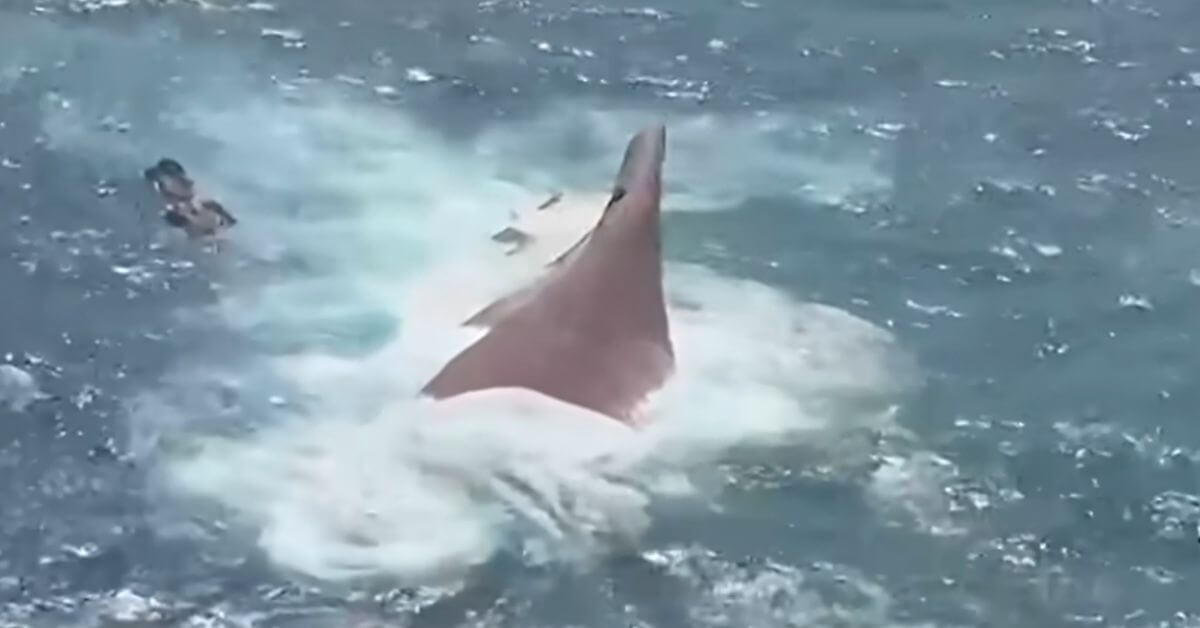
Long Wait, Perilous Seas: Search Continues for Missing After Ferry Incident
The search for the 129 people still missing after the ferry incident pressed on Tuesday, with rescuers battling rough seas and strong winds. This is a grim reminder that the ocean's mercy is not granted easily. The conditions are unforgiving, and every hour matters. Our thoughts are with the families enduring this agonizing wait. For more on maritime dangers, see our coverage of the bulk carrier freed near Gladstone. The sea spares no one, and the work of finding answers is far from over.
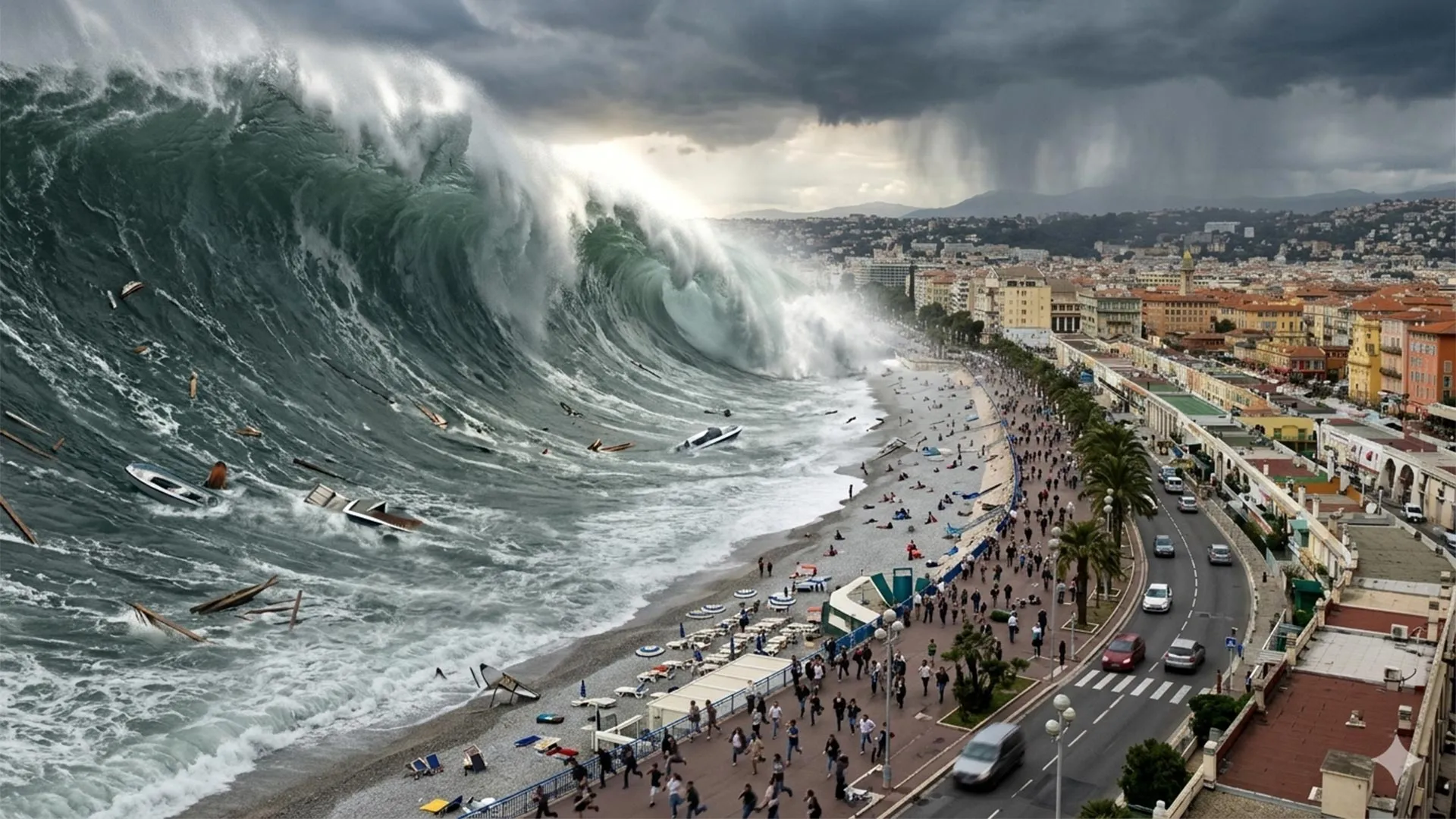
Mediterranean Tsunami Risk: Modeling Reveals Urgent Threat and Limited Warning.
A two-meter wave in under ten minutes. That is the reality of tsunami risk along the French Riviera, a region more associated with calm coasts than sudden catastrophe. History and modern modeling confirm that destructive waves can strike with almost no warning. This is not alarmism, it is a measured, empirical call for preparedness. The threat is urgent and measurable. For a deeper look at regional security dynamics, readers may explore our related coverage of Russian maritime activities in the Mediterranean.
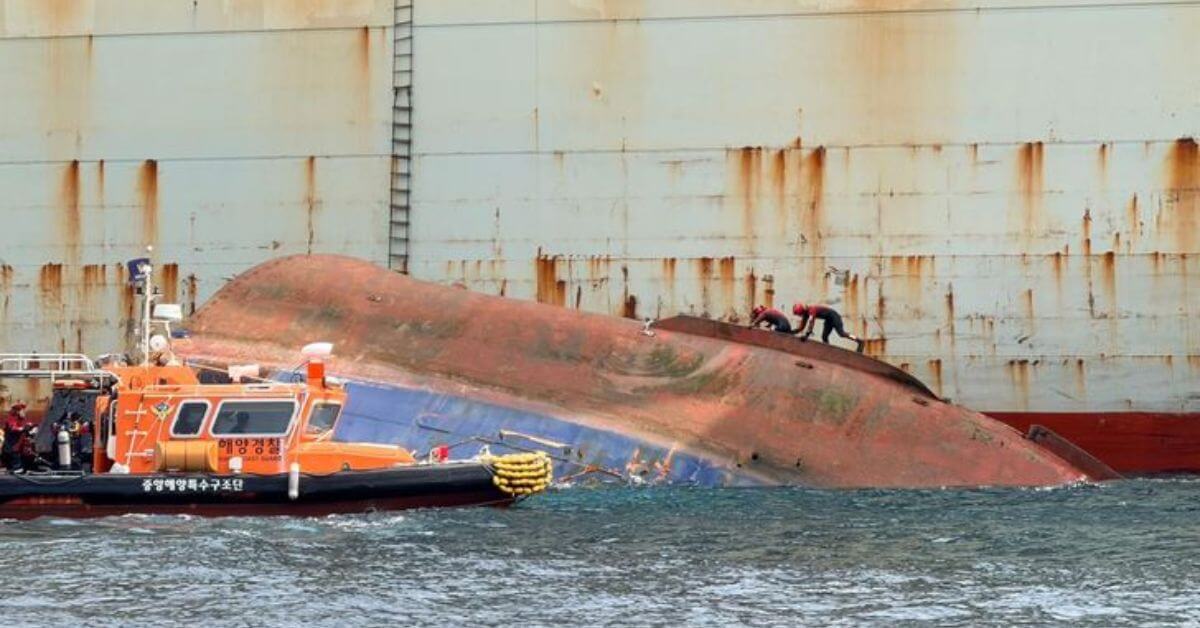
Tugboat Sinking Near Busan: Search Underway for Six Missing Crew.
A 286-tonne tugboat capsized and sank east of Oryukdo Island, leaving six crew members missing. The TNS Catcher went down at roughly 1:29 p.m., fully disappearing beneath the surface by 3:27 p.m. Search operations are underway, and every minute matters in these waters. Maritime emergencies like this remind us how quickly conditions can turn. For broader context on recent incidents, our coverage of the cargo ship fire near Mykonos offers a similar case of rapid response.
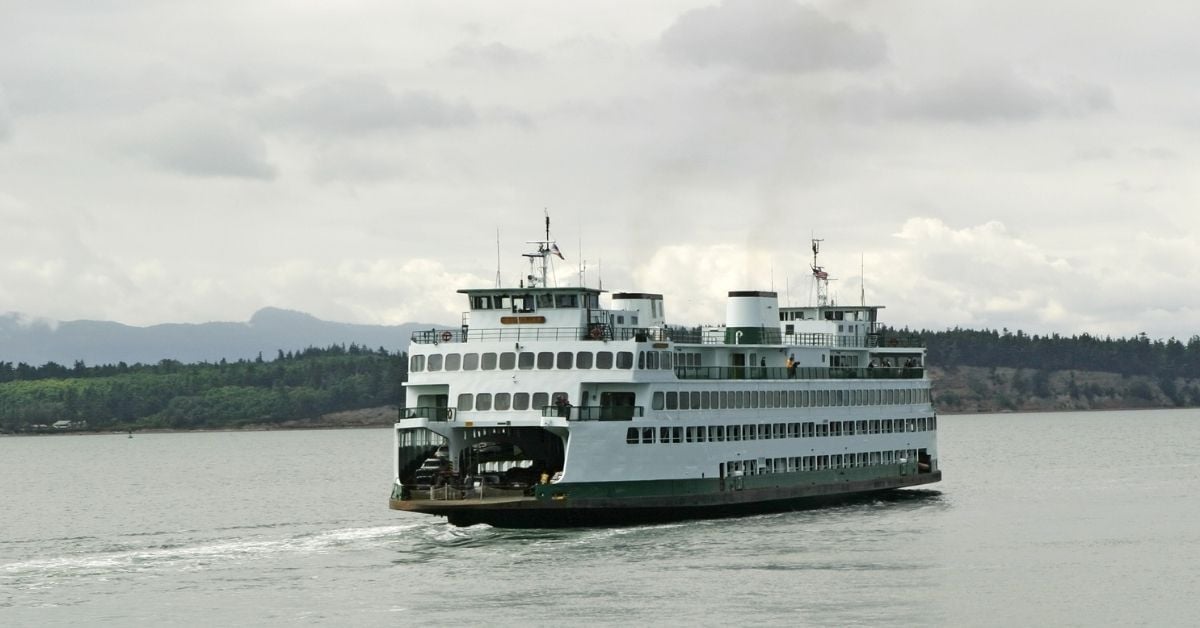
Investigation Launched After Ferry Sinking Claims Eight Lives Near Cyprus
Seven people are now detained after the sinking of the passenger ferry *FILO Jet* off Kyrenia, a tragedy that claimed eight lives. The speed of the detentions suggests investigators are moving with purpose, though many questions remain about how a vessel in coastal waters met such a fate. The loss underscores that maritime safety demands constant vigilance, not just compliance. For broader context on regional risks, our coverage of the cargo ship fire near Mykonos offers a relevant comparison. We will follow this investigation closely.

Diesel Spill Threatens Zambales Coastline Following Tug Sinking
A diesel spill now threatens the Zambales coastline after the tug SL Sual 1 sank while under tow from its grounding site off Botolan. The incident underscores how even routine salvage operations carry measurable environmental risk. Response efforts must prioritize rapid containment, as coastal ecosystems here remain vulnerable to long-term contamination. For context on how such groundings unfold elsewhere, our report on the bulk carrier freed near Gladstone offers a relevant comparison.

Lake Kariba Ferry Disaster: A Tragic Loss of Life in Zimbabwe
The capsizing of the *Mbuya Nehanda* on August 11, en route from Kariba town to the remote community of Chalala, is a devastating blow to Zimbabwe's inland waterways. This is not a statistic; it is a profound loss that underscores the perilous reality facing those who depend on the lake for connection. The tragedy demands rigorous scrutiny of maritime safety protocols. For context on how regional infrastructure pressures are being managed elsewhere, our report on record port activity offers a broader view of logistical resilience.

Tugboat Sinks in Indonesian Waters; Crew Rescued Amid Severe Weather
When a tugboat crew in Indonesian waters severed their towline in an attempt to regain control amid severe weather, the vessel remained perilously unstable. Their rescue underscores a reality we track closely: the ocean does not forgive miscalibration. This incident is a stark reminder that integrated data ecosystems, like those enabling the swift response detailed in our coverage of the *Ocean Data Enables Swift Rescue of Injured Seafarer Near Andamans*, are not optional. They are essential for operational safety.