war
World Data Ocean keeps war in one place: 7 stories so far. The section currently leads with “Strait of Hormuz Posture Raises Stakes for Maritime Data Verification”, “Verified data confirms 20 million barrels transit Hormuz despite Iranian claims”, and “Ukraine Supports India’s Initiative for Black Sea Shipping Routes”. A commander of Iran's Islamic Revolutionary Guard Corps has publicly dared U.S. Twenty million barrels of oil have transited the Strait of Hormuz this week, verified by US Central Command, directly countering Iranian claims that the waterway is closed to shipping. A Global Hub for Ocean Intelligence 4 World Data Ocean is a centralized digital platform where researchers, scientists, and ocean enthusiasts converge to… The list below is every war story on World Data Ocean, newest first.
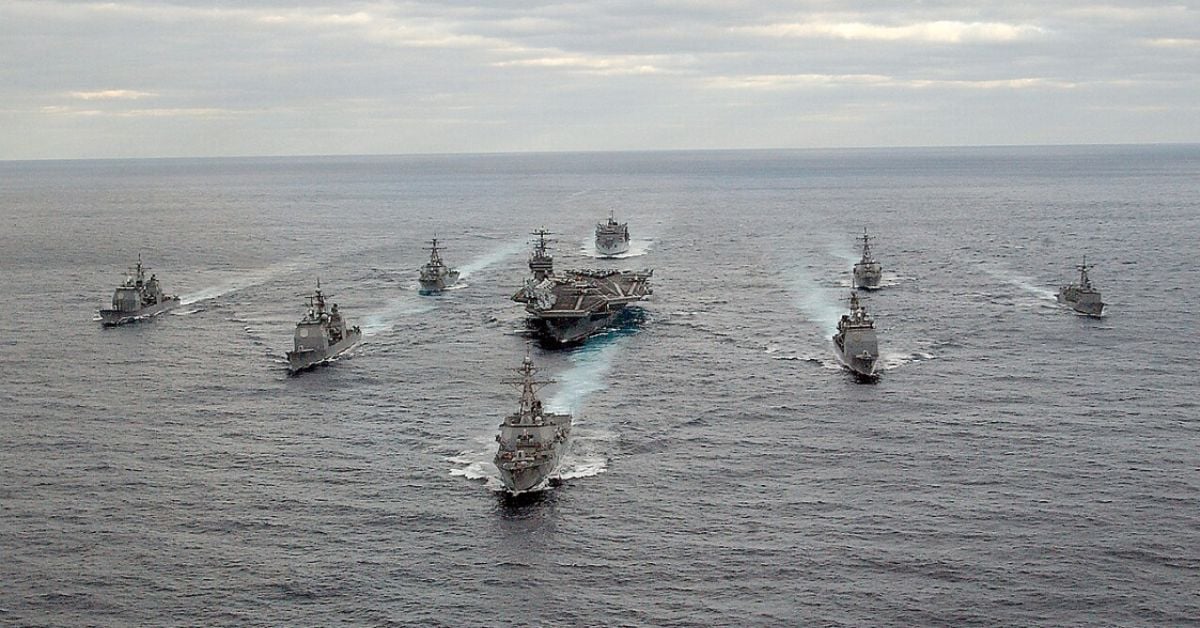
Strait of Hormuz Posture Raises Stakes for Maritime Data Verification
A commander of Iran's Islamic Revolutionary Guard Corps has publicly dared U.S. warships to enter the Strait of Hormuz, raising the stakes for maritime data verification in a waterway that carries a fifth of the world's oil. This is not posturing; it is a direct challenge to the empirical, real-time ocean intelligence that underpins safe passage. For deeper context on how navies are adapting, see our coverage of the counter-drone electronic warfare system now protecting USS Ohio.
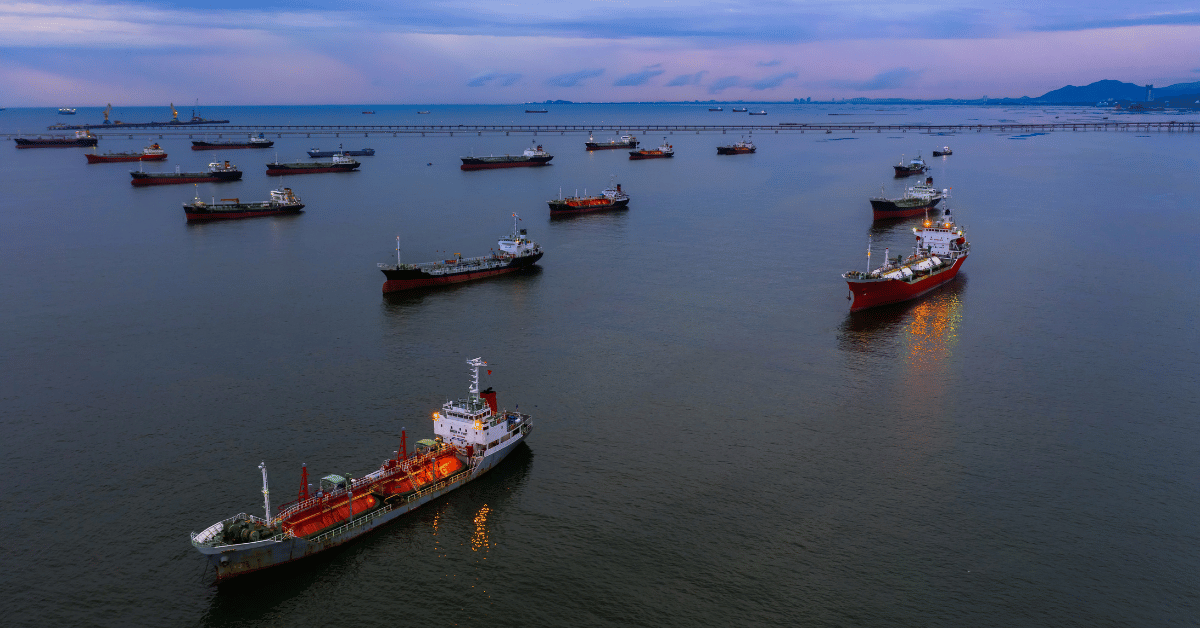
Verified data confirms 20 million barrels transit Hormuz despite Iranian claims
Twenty million barrels of oil have transited the Strait of Hormuz this week, verified by US Central Command, directly countering Iranian claims that the waterway is closed to shipping. This empirical data underscores a dangerous gap between rhetoric and reality in one of the world's most critical maritime chokepoints. The region's volatility demands measured, evidence-based responses. Our coverage of the *Strait of Hormuz tanker fire* offers deeper context on the human cost of these tensions.
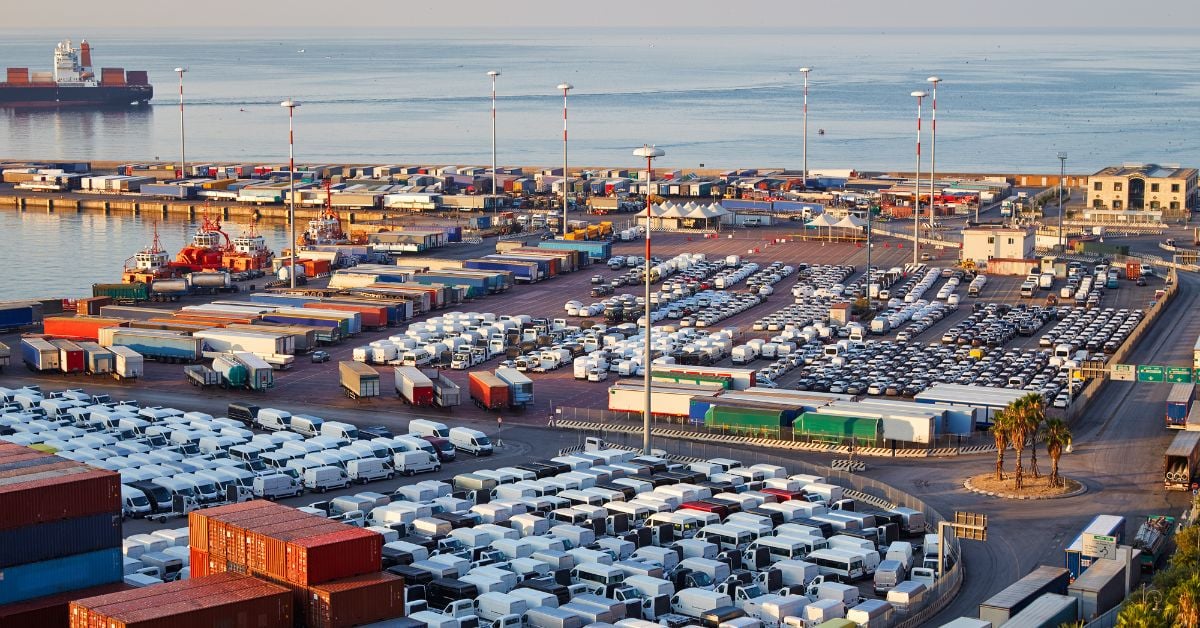
Ukraine Supports India’s Initiative for Black Sea Shipping Routes
Ukraine's consideration of India's proposal to restore safe navigation in the Black Sea signals a practical step toward maritime stability. Reopening these routes is not merely a regional matter; it supports global supply chains and the exchange of ocean intelligence. The move reflects measured diplomacy, grounded in shared interests rather than rhetoric. For readers tracking how nations recalibrate maritime strategy, our related coverage on integrated subsea cables across the Indian Ocean offers useful context on how connectivity and shipping increasingly intersect.
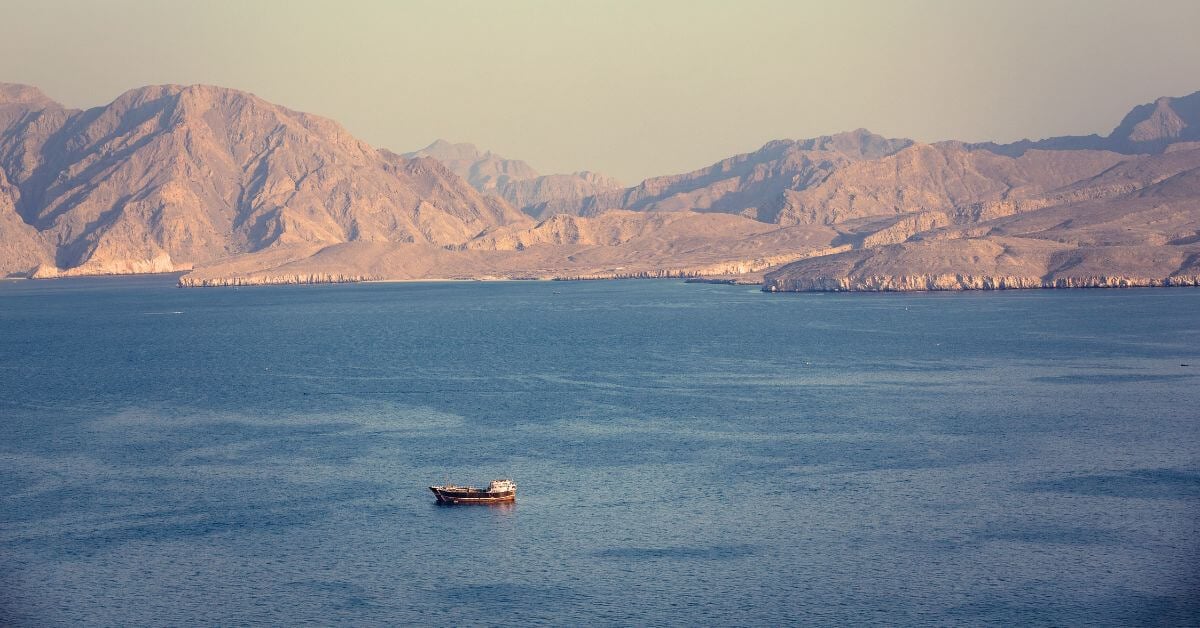
Geopolitical Shifts: Strait of Hormuz Renaming Proposal Sparks Debate
A proposal to rename the Strait of Hormuz has injected geopolitical friction into one of the world's most vital maritime chokepoints. President Trump asserted U.S. control over the strait on Truth Social, questioning whether it should be rebranded. The debate is more than symbolic; it carries real implications for shipping and energy security. For context on the region's mounting pressures, our piece on Gulf of Oman STS transfers maxing out offers a grounded look at the logistical strains nearby. Measured analysis matters here, not hyperbole.
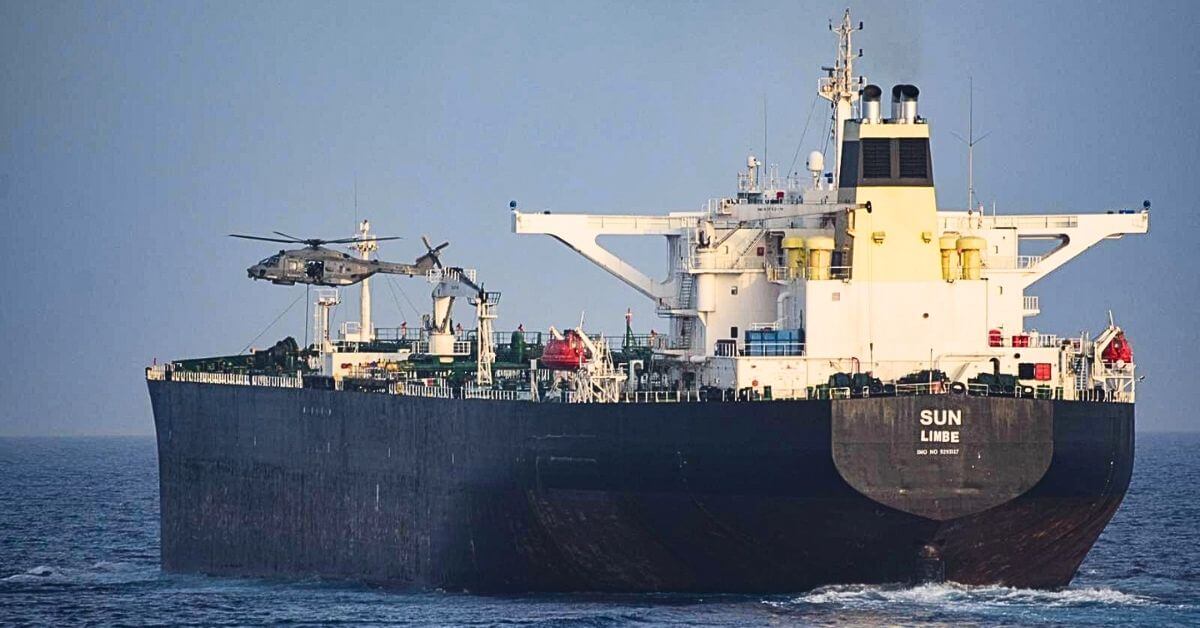
Maritime Security: Inspections Target Vessels Suspected of Shadow Fleet Activity
Maritime authorities from France, Sweden, Belgium, and Britain have boarded or seized vessels suspected of shadow fleet activity, tightening the net on opaque operations in European waters. These inspections signal a calibrated, intelligence-led response to a threat that hides in plain sight. Enforcement like this is how rules endure. For a closer look at how maritime incidents unfold under pressure, see our coverage of the cargo ship fire near Mykonos. Vigilance, measured and consistent, remains the anchor of ocean security.

Iran Asserting Control Over Vital Strait of Hormuz Passage
Iran's assertion that it manages and controls the Strait of Hormuz is a statement of strategic fact, not posturing. For a nation whose economy and security are tied to the waterway, claiming this position is both logical and consequential. The strait's role as a global energy artery makes such declarations inherently significant, and we should treat them with the gravity they demand. For broader context on regional shipping pressures, our coverage of Gulf of Oman STS transfers offers a useful parallel.

Black Sea Grain Exports Diminished: Ukraine Defends Vital Shipping Lanes
Ukraine has lost roughly one-third of its grain export capacity through its key Black Sea ports, a direct consequence of repeated Russian missile and drone strikes. This is not a statistic to gloss over; it is a measurable blow to global food security. The country continues to defend these vital shipping lanes with resolve, understanding that every calibrated effort sustains more than its own economy.