trade routes
World Data Ocean keeps trade routes in one place: 7 stories so far. The section currently leads with “Arctic Corridor Advances as Churchill Port Cuts Europe Transit by 3 Days”, “Attack on civilian cargo ship at Odesa port claims one crew member”, and “Methanol from Bogibeel signals Dibrugarh's return to international river trade”. A new Arctic corridor is taking shape. A motorman sailor has been killed in an attack on a civilian cargo ship at the Odesa port. A Global Hub for Ocean Intelligence 4 World Data Ocean is a centralized digital platform where researchers, scientists, and ocean enthusiasts converge to… The list below is every trade routes story on World Data Ocean, newest first.
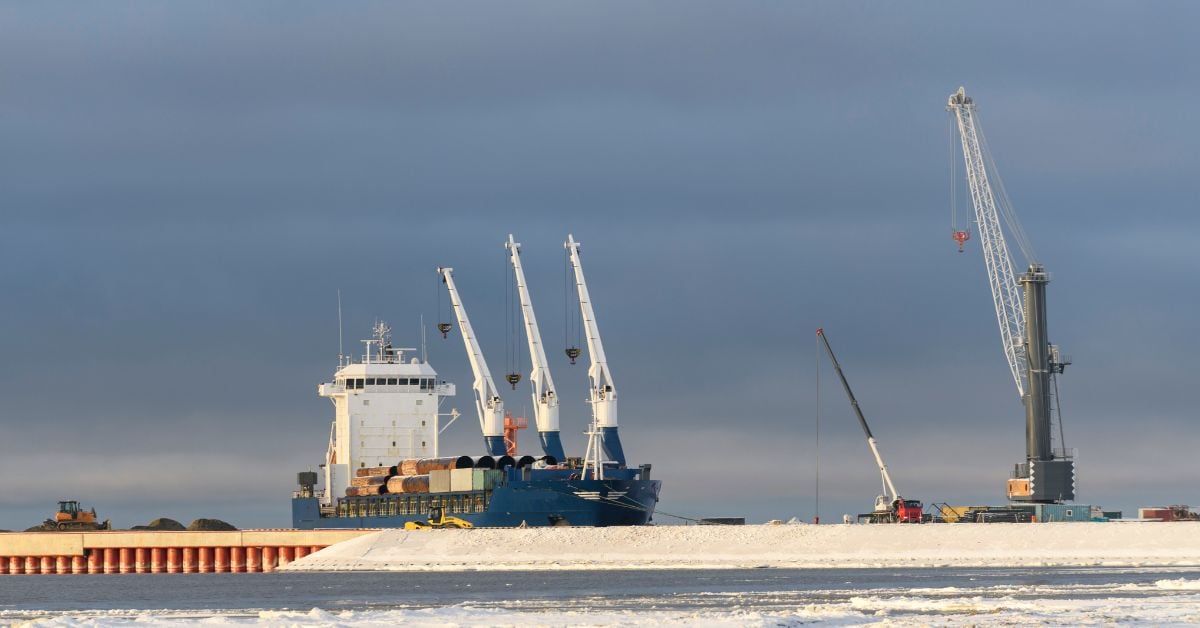
Arctic Corridor Advances as Churchill Port Cuts Europe Transit by 3 Days
A new Arctic corridor is taking shape. Churchill Port's agreement to cut Europe transit by three days is a measurable gain for supply-chain resilience. Canada is planning new export routes, and this deal aligns with that purpose. It is not about speed alone, it is about building integrated trade networks that work with climate realities. For context on shifting global port dynamics, see our coverage of Khalifa Port's 21.6% TEU surge.
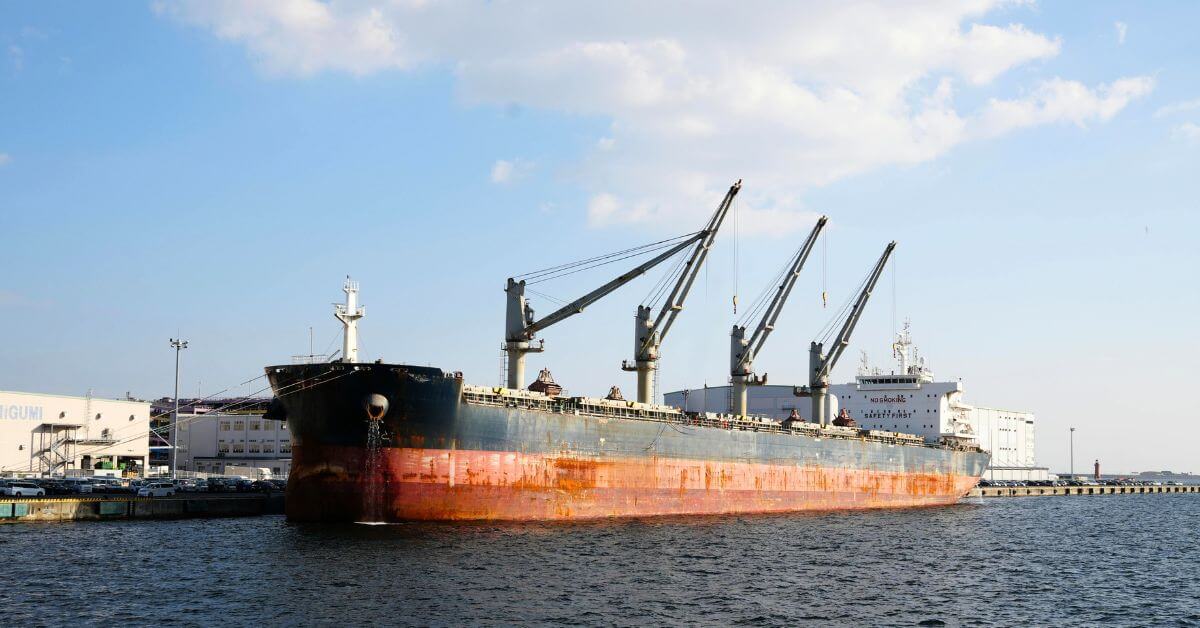
Attack on civilian cargo ship at Odesa port claims one crew member
A motorman sailor has been killed in an attack on a civilian cargo ship at the Odesa port. Three other crew members were injured and received emergency medical treatment. This loss is a grim reminder that maritime security remains fragile, even as we work to build integrated data ecosystems for ocean intelligence. For deeper context on disrupted shipping routes, read our coverage on the Baltic Cargo Route Disrupted as Gulf of Finland Vessel Detained.
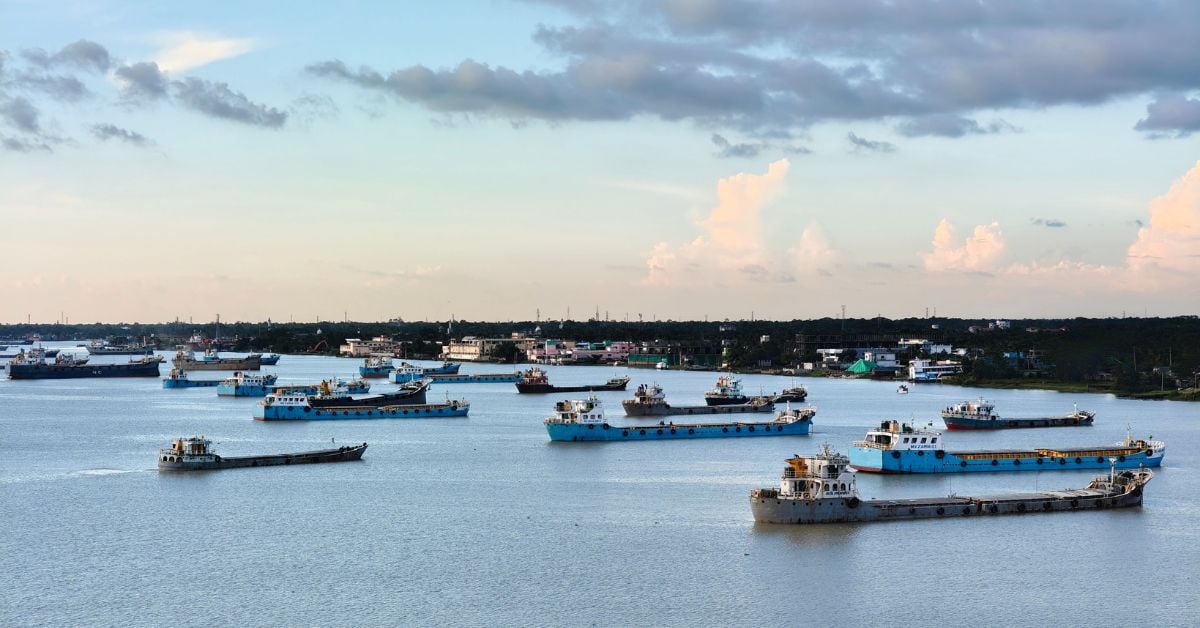
Methanol from Bogibeel signals Dibrugarh's return to international river trade
A methanol shipment from Bogibeel will soon sail down the Brahmaputra, marking Dibrugarh's measured return to international river trade. This is not merely a cargo movement, it is a calibrated re-entry into a historic commercial artery. Trade on this river carries long-term value for regional connectivity and climate-conscious logistics. For deeper context on the Brahmaputra's commercial revival, readers can explore our coverage of Brahmaputra River Cruises Expand With Two New Ships by 2030.
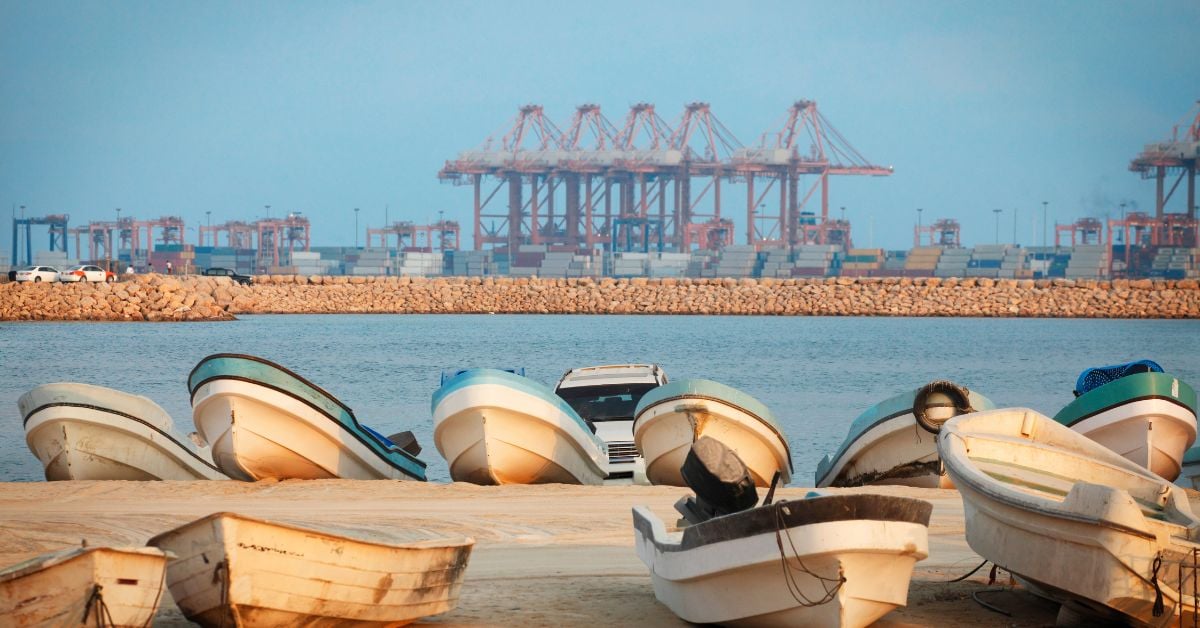
Sohar Port Facilitates Growing Indian Trade Routes to the GCC
Sohar Port has positioned itself as a critical transit point for Indian exports entering the GCC, a role that reflects the broader rebalancing of regional trade flows. The port's capacity to handle this volume signals practical, measurable gains in logistics integration. That matters as Gulf economies diversify. For readers tracking these corridors, our related piece on integrated subsea infrastructure in the Indian Ocean offers useful context on the region's digital backbone. The port's progress is steady, and it anchors a connection worth watching closely.

Data-Driven Insights Predict Maritime Emergencies, Highlighting Weather Risks
Weather emerges as the dominant force in maritime safety, according to Inmarsat's analysis of 106,975 safety broadcasts. The data is clear: urgent warnings stem most frequently from weather-related risks, reinforcing that preparedness begins with environmental awareness. This is actionable intelligence for an industry where foresight saves lives. For readers tracking operational resilience, our coverage of Russia's icebreaker fleet strategy offers a complementary perspective on how nations are calibrating infrastructure against Arctic conditions. Understanding these patterns is not optional; it is the foundation of safer seas.

Integrated Shipping Lanes: Iran and Oman Calibrate Transit Through Hormuz.
Iran and Oman have agreed on the transit routes ships will use through the Strait of Hormuz, a calibrated step toward stabilizing one of the world's most critical maritime chokepoints. The arrangement signals practical diplomacy at work, replacing uncertainty with measurable coordination. For shippers and nations alike, this is ocean intelligence in its most actionable form: clear lanes, agreed parameters, and a shared commitment to keeping trade moving.

Red Sea Risk Zone Expands as Insurers Respond to Houthi Actions
London's marine insurance market has widened the Red Sea's high-risk zone following Houthi attacks on Saudi-linked vessels, a measured response to a volatile reality. This is prudent, not panicked. Insurers are calibrating risk with precision, and the expansion reflects empirical threats rather than speculation. For those tracking regional chokepoints, our coverage of Gulf of Oman STS transfers offers useful context. Understanding drives protection, and here, the data speaks clearly.