torpedoes
5 stories filed under torpedoes on World Data Ocean. The newest of them: “Fatal Attack on Bulk Carrier Near Oman Highlights Maritime Security Risks”, “Drone-Launched Weapons Enhance Carrier-Based Anti-Submarine Capabilities”, and “Advancing Maritime Capabilities: India's New Multi-Purpose Vessel Deploys.”. The fatal attack on the MV Cape Dao off Oman, which killed an Indian seafarer, is a stark reminder that maritime security remains a pressing global concern. The U.S. A Global Hub for Ocean Intelligence 4 World Data Ocean is a centralized digital platform where researchers, scientists, and ocean enthusiasts converge to… The list below is every torpedoes story on World Data Ocean, newest first.
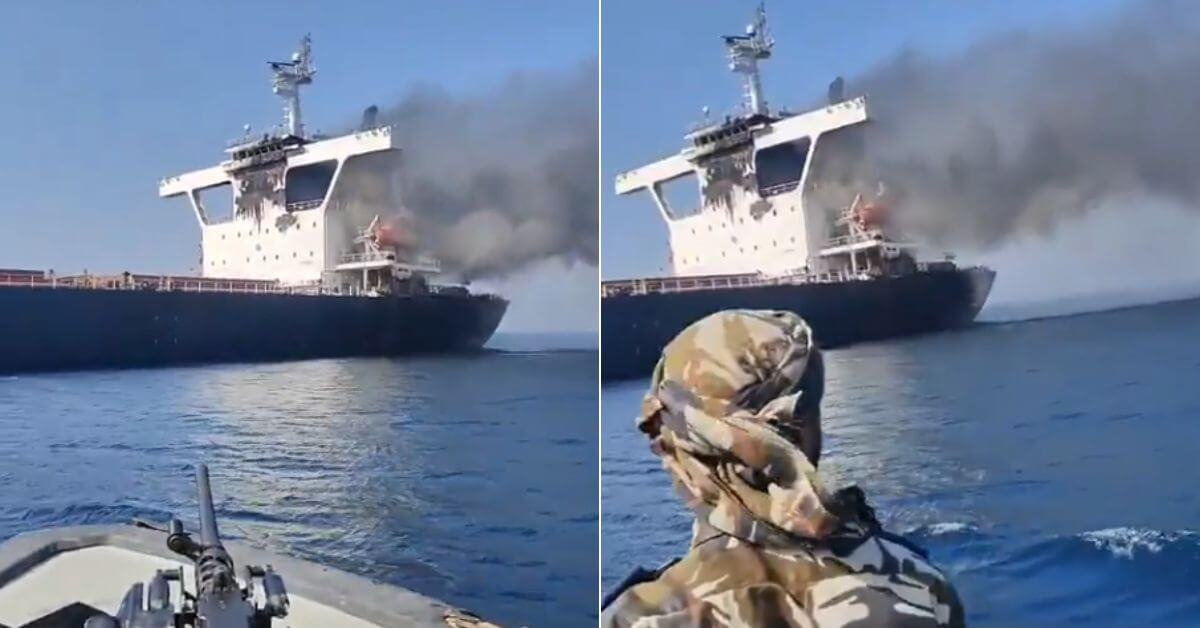
Fatal Attack on Bulk Carrier Near Oman Highlights Maritime Security Risks
The fatal attack on the MV Cape Dao off Oman, which killed an Indian seafarer, is a stark reminder that maritime security remains a pressing global concern. This incident underscores the persistent dangers facing those who move our goods across volatile waters. While our recent coverage of the Gladstone grounding highlighted navigational challenges, this is a violent reminder that crew safety requires constant vigilance.
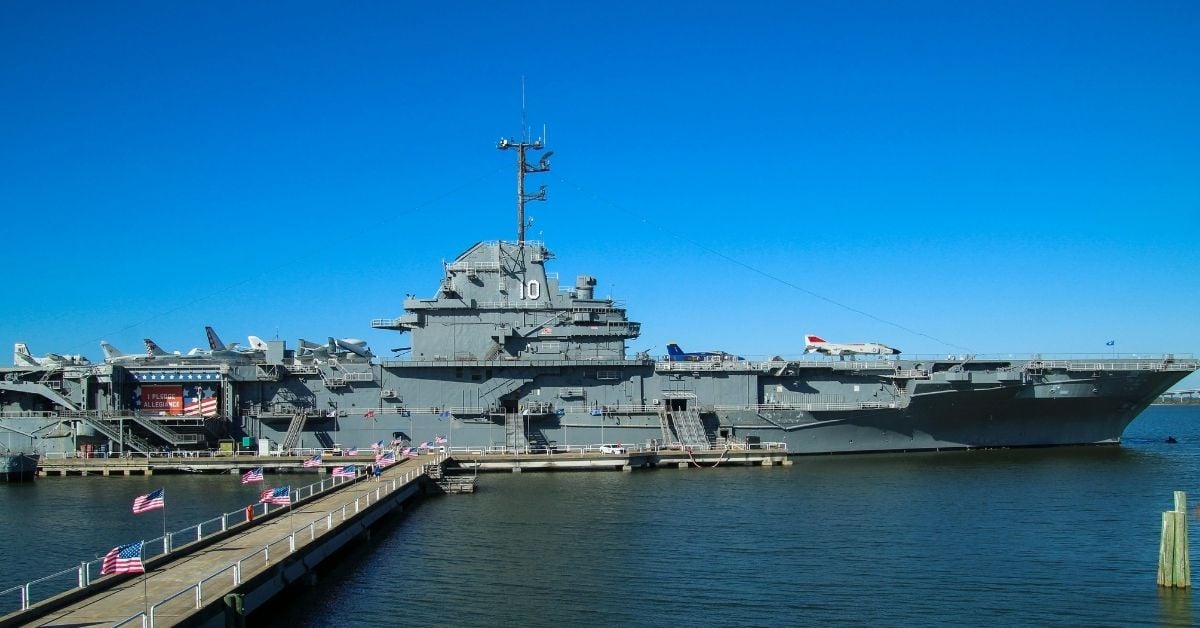
Drone-Launched Weapons Enhance Carrier-Based Anti-Submarine Capabilities
The U.S. Naval Air Systems Command is developing a weapon designed to be fired from carrier-launched drones against enemy submarines, extending strike reach beyond the ship's horizon. This is a calibrated step toward integrated ocean intelligence, pairing unmanned platforms with anti-submarine warfare in ways that demand precision. The capability reflects a broader naval evolution, much like India's expanded fleet projections. The ocean is vast, but layered, measured responses like these keep it navigable.
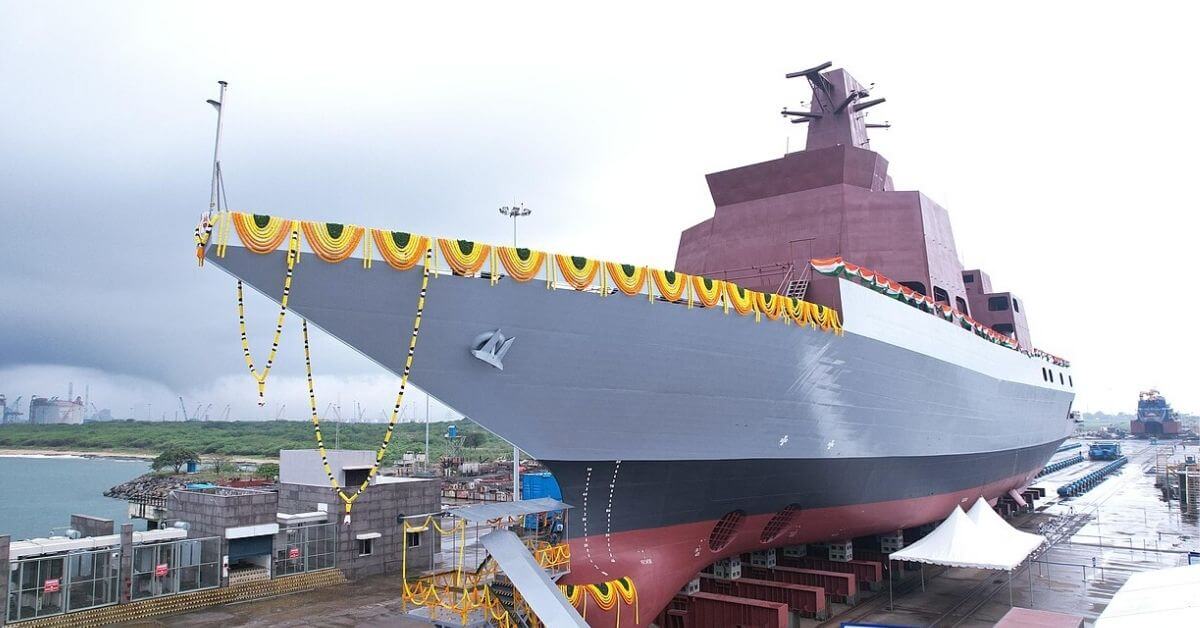
Advancing Maritime Capabilities: India's New Multi-Purpose Vessel Deploys.
India's new multi-purpose vessel brings a practical edge to maritime training, launching and recovering aerial, surface, and underwater targets for gunnery and anti-submarine exercises. That capability matters: realistic drills depend on reliable assets, not just theory. It is a measured step toward readiness, consistent with the Indian Navy's broader push to expand its fleet by 2040-2045, as outlined in our piece on India's projected naval growth. Calibrated investment like this keeps capabilities honest and operational.

Indigenous Design Bolsters Indian Navy’s Anti-Submarine Warfare Capabilities
INS Mangrol, with over 80 percent indigenous content, signals a practical stride in India's naval self-reliance. Designed and built by Cochin Shipyard, this anti-submarine warfare vessel proves that domestic capability can meet complex operational demands. We see this as measured progress, not hype. It aligns with the broader push for an expanded fleet, a topic we explore in "India Projects Expanded Naval Fleet to Navigate Evolving Maritime Landscape." Strengthening local design now builds a more resilient maritime future.

India Advances Submarine Fleet Modernization with German Acquisition
The Indian Navy's decision to advance submarine fleet modernization through a German acquisition addresses a pressing operational gap. With conventional submarine numbers falling short of requirements, this programme is not merely procedural; it is a calibrated response to shifting maritime realities. We see this as a practical step toward sustaining underwater deterrence, though the timeline will test both industrial coordination and strategic patience.