St Petersburg
St Petersburg at World Data Ocean is a file of 5 stories. The newest of them: “Sanctioned cargo vessel Sparta II towed from Finnish waters after drone strike”, “Geopolitical Tensions Surface in Baltic as Drone Strike Targets Russian Corvette”, and “150 vessels idle in Gulf of Finland as Baltic maritime traffic bottlenecks”. A sanctioned Russian cargo vessel, the Sparta II, has been towed from Finnish waters after two days of firefighting following a drone strike in the Gulf of Finland. A Global Hub for Ocean Intelligence 4 World Data Ocean is a centralized digital platform where researchers, scientists, and ocean enthusiasts converge to… The list below is every St Petersburg story on World Data Ocean, newest first.
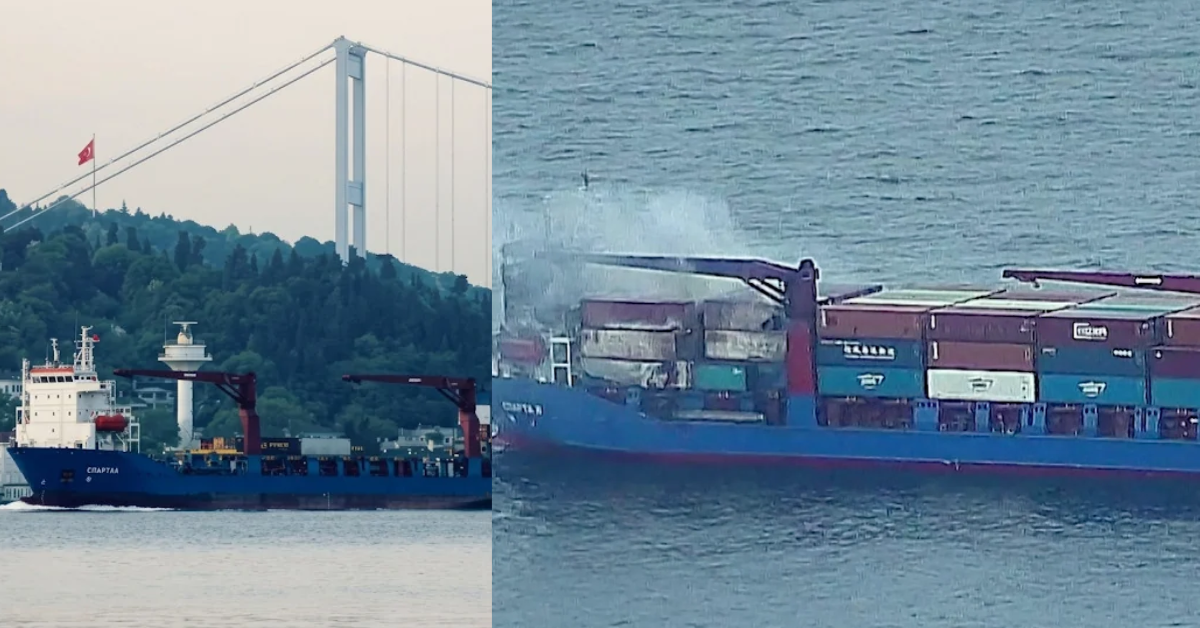
Sanctioned cargo vessel Sparta II towed from Finnish waters after drone strike
A sanctioned Russian cargo vessel, the Sparta II, has been towed from Finnish waters after two days of firefighting following a drone strike in the Gulf of Finland. The incident underscores the expanding theater of maritime conflict. These are not isolated events. For deeper context on this pattern of naval drone warfare, read our coverage of the capsized Russian corvette in Benghazi. Understanding these integrated threats is essential for ocean intelligence.
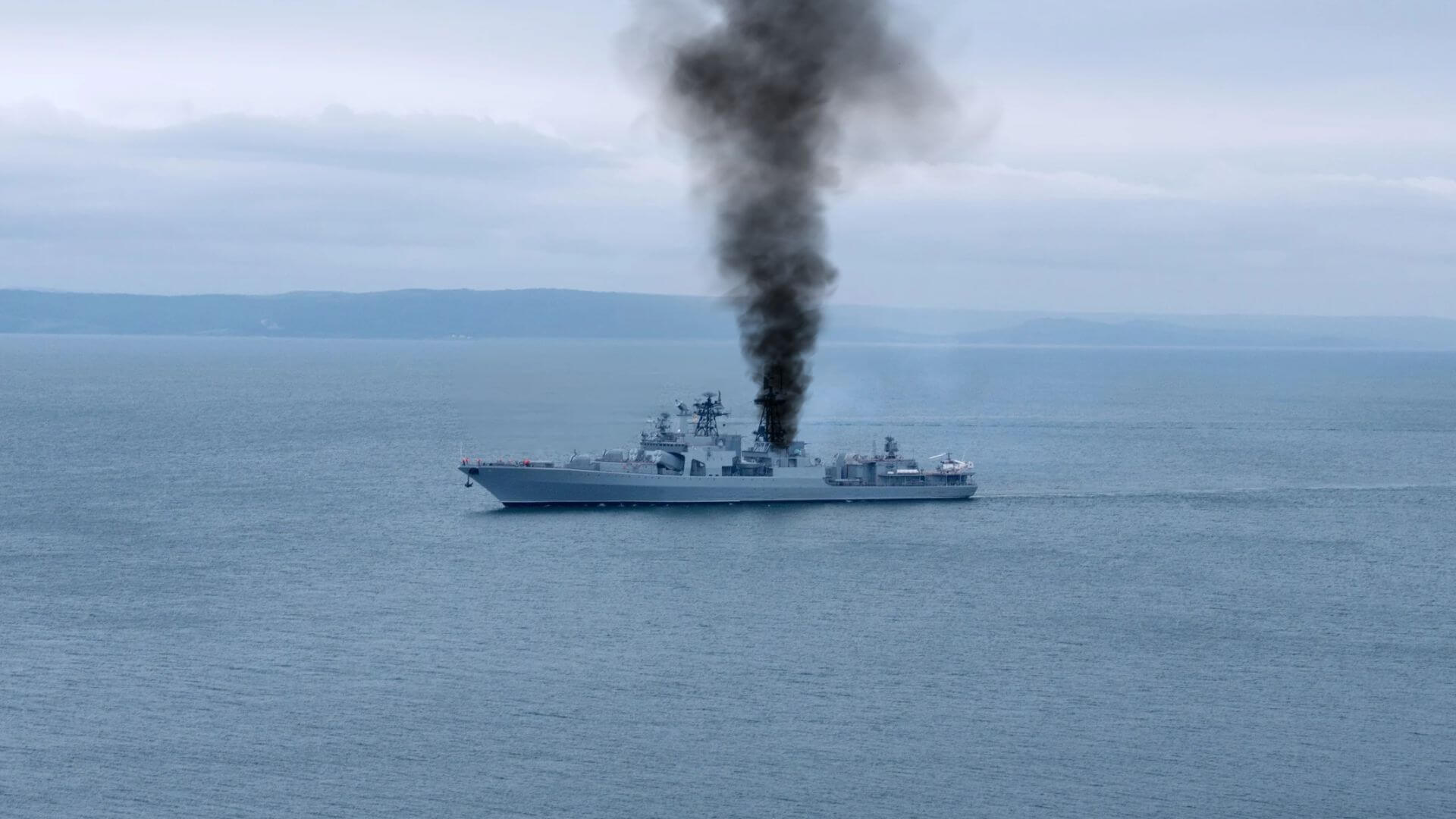
Geopolitical Tensions Surface in Baltic as Drone Strike Targets Russian Corvette
A drone strike on a Russian corvette in the Gulf of Finland has injected new geopolitical tensions into Baltic waters. Ukraine claims responsibility for the hit on the Naro-Fominsk, while Finland's military confirms it detected the attack. This incident underscores how maritime domains increasingly become arenas for conflict. For deeper context on recent seafarer tragedies in volatile waters, read our related coverage of the *Tragedy in the Gulf: Filipino Seafarer Lost in Tanker Explosion*.
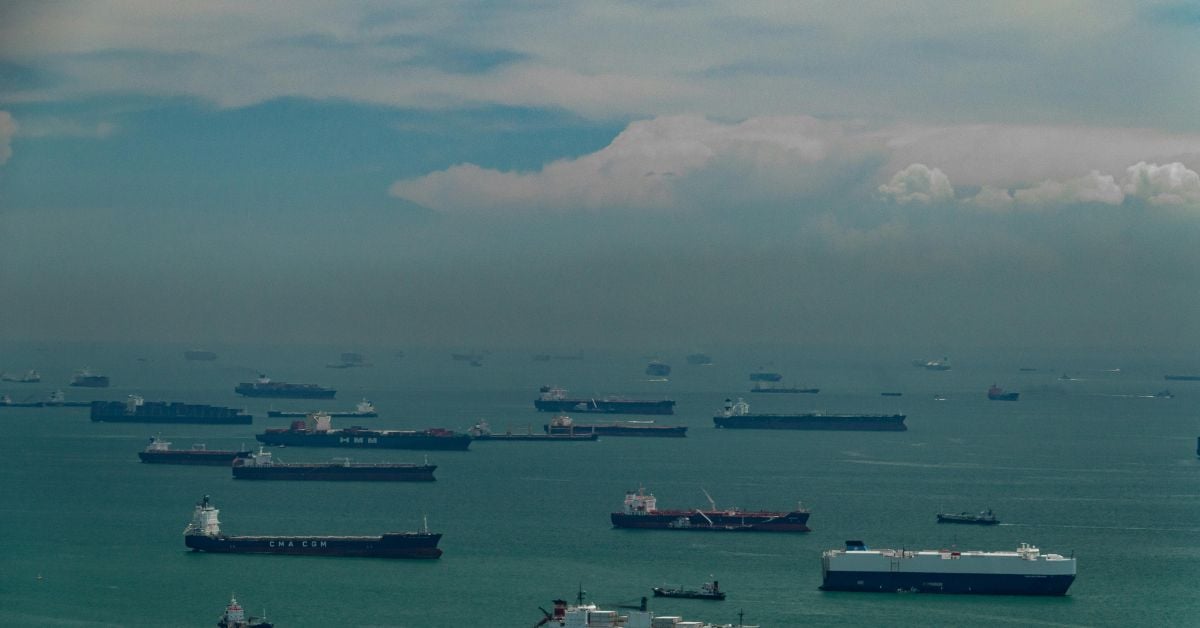
150 vessels idle in Gulf of Finland as Baltic maritime traffic bottlenecks
Nearly 150 vessels sit idle in the Gulf of Finland, a maritime bottleneck gripping Baltic traffic to Russian ports such as Ust-Luga, Primorsk, and St Petersburg. This congestion is more than a logistical snag, it is a measurable disruption in a region already under scrutiny. Such real-time bottlenecks carry empirical weight as climate and geopolitical indicators. For deeper context on maritime security, see our coverage of the captain charged over Ukrainian grain. Understanding these pressures drives protection of both trade and ocean intelligence.
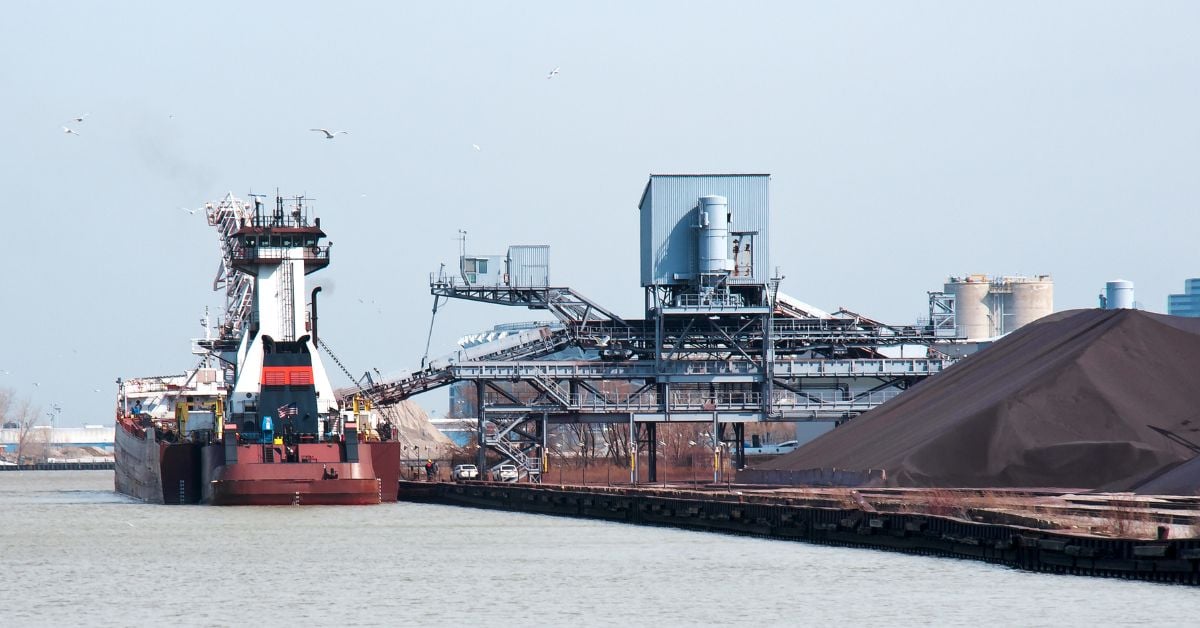
Shifting Cargo: Russian Terminals Adapt for Grain Export Surge
The Baltic and Arctic terminals that once moved fertiliser and coal are now turning to grain, a pragmatic response to shifting export demands. It is a quiet recalibration of infrastructure, and one that speaks to how quickly trade flows can redirect. Russia is adapting its logistics to stay competitive, and that flexibility is worth watching. For broader context on how export routes are evolving, our piece on Russia Calibrates Export Revenue for the Northern Sea Route Icebreaker Fleet offers a useful parallel.
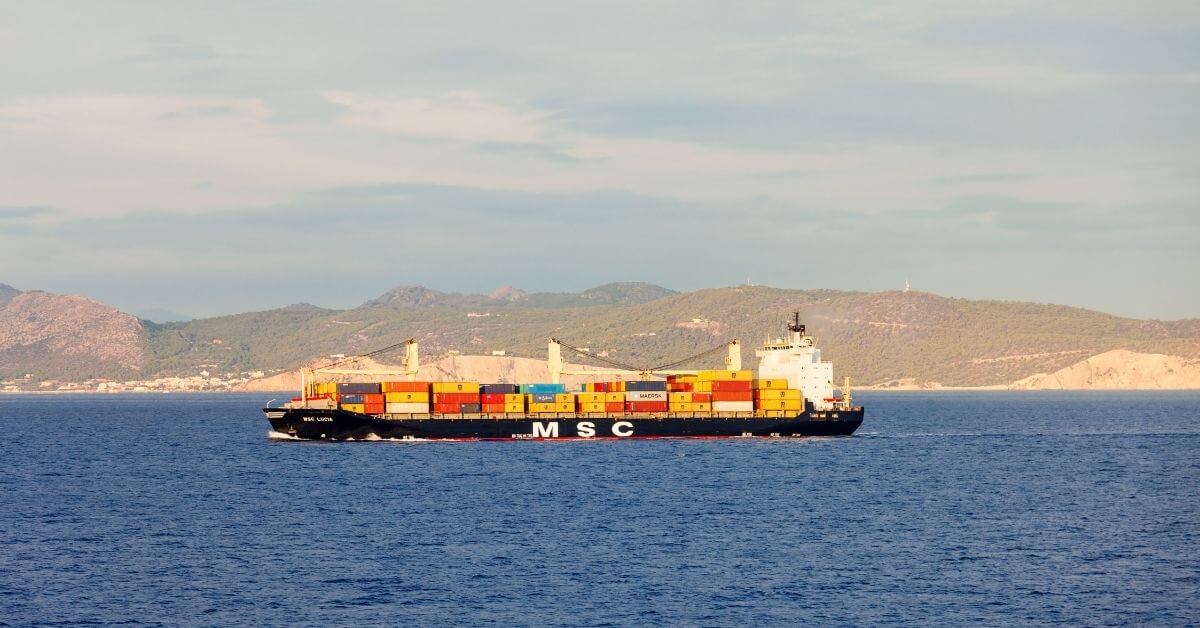
Shipping Giant Pauses Bookings at Russian Port Following Vessel Attack
The MSC Ulsan III, a Panama-flagged vessel built in 2004, now sits at the center of a commercial pause. Shipping Giant has halted bookings at Russian ports following the attack on the ship, a decisive move that prioritizes operational safety over market reach. The vessel's capacity of roughly 2,700 TEUs underscores the logistical weight behind this decision. It is a measured response to a volatile situation, reinforcing that maritime security is non-negotiable.