sovereignty
sovereignty at World Data Ocean is a file of 9 stories. The newest of them: “Taiwan Coast Guard Deploys V-BAT Drones for Validated Maritime Surveillance”, “First Sightings of Chinese Militia Vessel Near Taiwan's Eastern Coast”, and “Legal Attributes of Islands and Rocks: A Framework for Maritime Clarity”. Twelve V-BAT drones are headed to Taiwan's Coast Guard, with Shield AI delivering the first uncrewed aircraft in a validated maritime surveillance program. A Chinese militia vessel has been sighted off Taiwan's eastern coast for the first time, accompanied by two other boats. A Global Hub for Ocean Intelligence 4 World Data Ocean is a centralized digital platform where researchers, scientists, and ocean enthusiasts converge to… The list below is every sovereignty story on World Data Ocean, newest first.
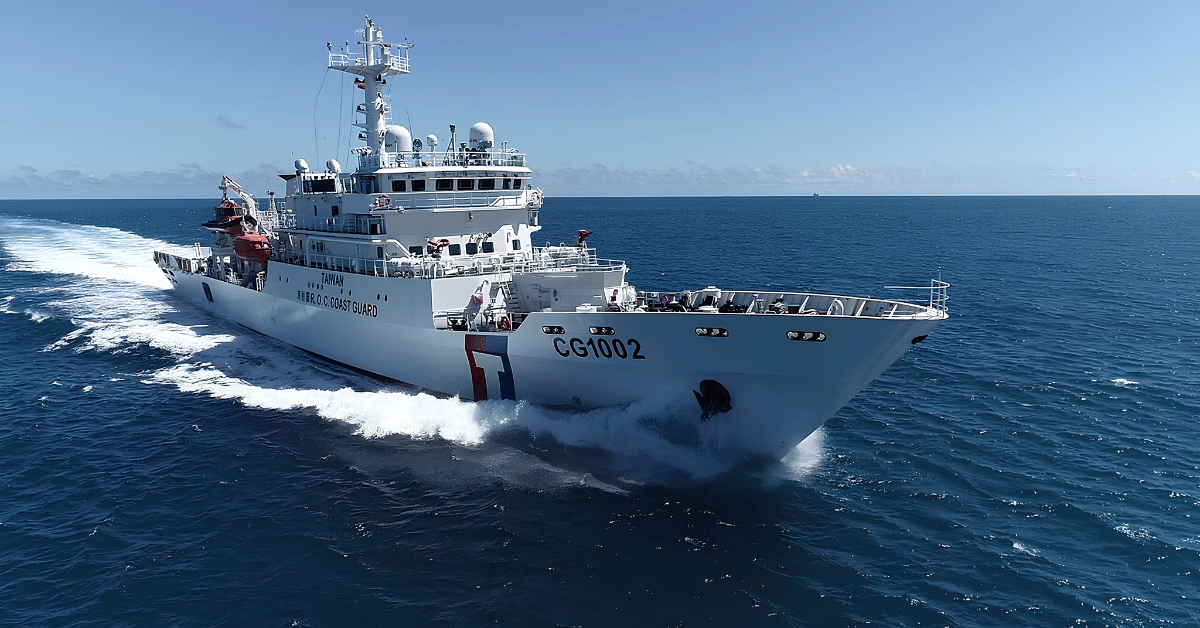
Taiwan Coast Guard Deploys V-BAT Drones for Validated Maritime Surveillance
Twelve V-BAT drones are headed to Taiwan's Coast Guard, with Shield AI delivering the first uncrewed aircraft in a validated maritime surveillance program. These systems will support coastal patrols and law enforcement operations across vital waters. This is empirical, integrated ocean intelligence in action, deploying real-time, peer-reviewed technology where it is needed most. For further context on regional maritime security, see our coverage of the *First Sightings of Chinese Militia Vessel Near Taiwan's Eastern Coast*.
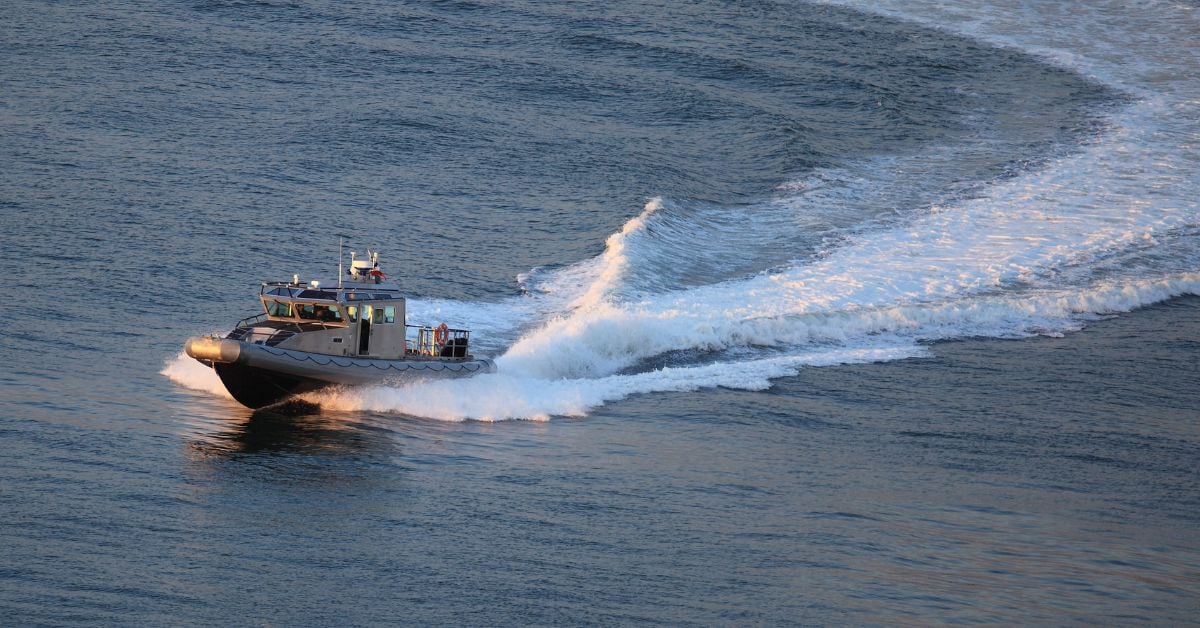
First Sightings of Chinese Militia Vessel Near Taiwan's Eastern Coast
A Chinese militia vessel has been sighted off Taiwan's eastern coast for the first time, accompanied by two other boats. This is a measurable development in a region where empirical data on maritime activity matters. The sighting demands calibrated observation, not alarm. For deeper context on evolving naval capabilities, see our related coverage: "A mothership for underwater drones signals a new era in ocean intelligence." Understanding these movements is essential for integrated ocean security.

Legal Attributes of Islands and Rocks: A Framework for Maritime Clarity
The legal attributes of islands and rocks are not static labels but a layered framework where intrinsic status and territorial character set the terms for maritime rights. This piece sharpens that distinction, grounding non-intrinsic rules in the evolving social and historical realities of these features. It is a measured, empirically anchored read for anyone tracking dispute resolution. For broader context on how data ecosystems intersect with such governance questions, *Integrating Data Infrastructure with Ocean Ecosystems* offers a useful parallel.
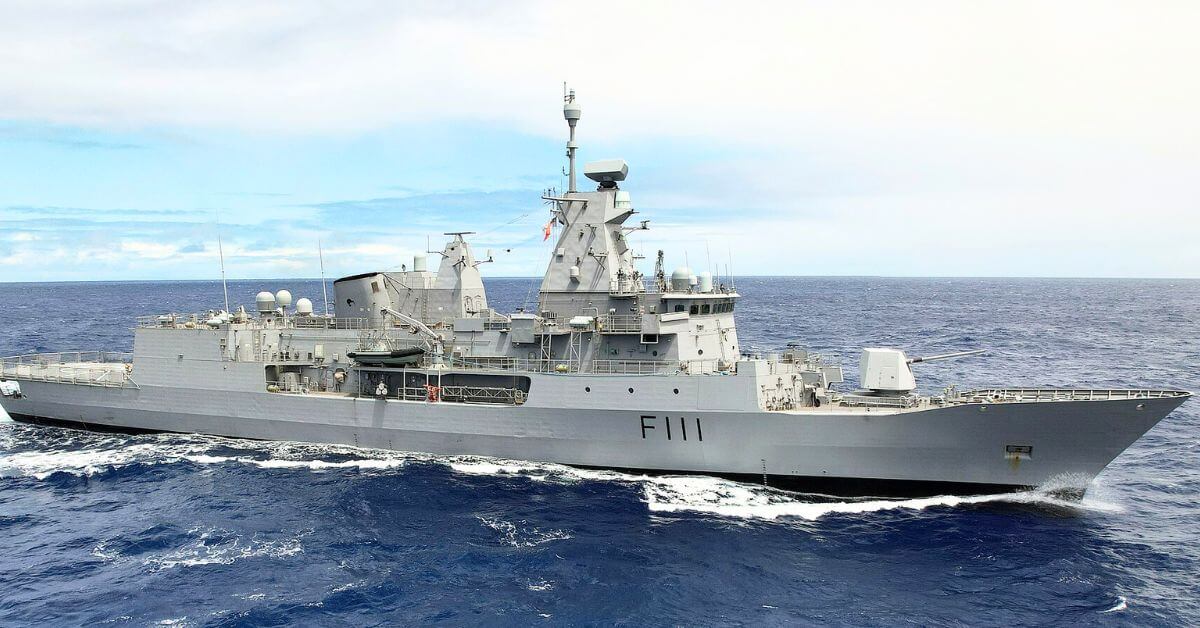
New Zealand Vessels Traverse Taiwan Strait En Route to Philippines Exercise
Two New Zealand naval vessels transited the Taiwan Strait on Sept. 18, bound for a joint exercise with the Philippines. The move signals a quiet but deliberate expansion of maritime collaboration across the Indo-Pacific, one that prioritizes operational presence over provocation. For those tracking the region's shifting security architecture, this passage is a measured data point, not a headline. It complements our coverage of integrated subsea infrastructure shifting toward the Indian Ocean, where strategic connections are being redrawn.
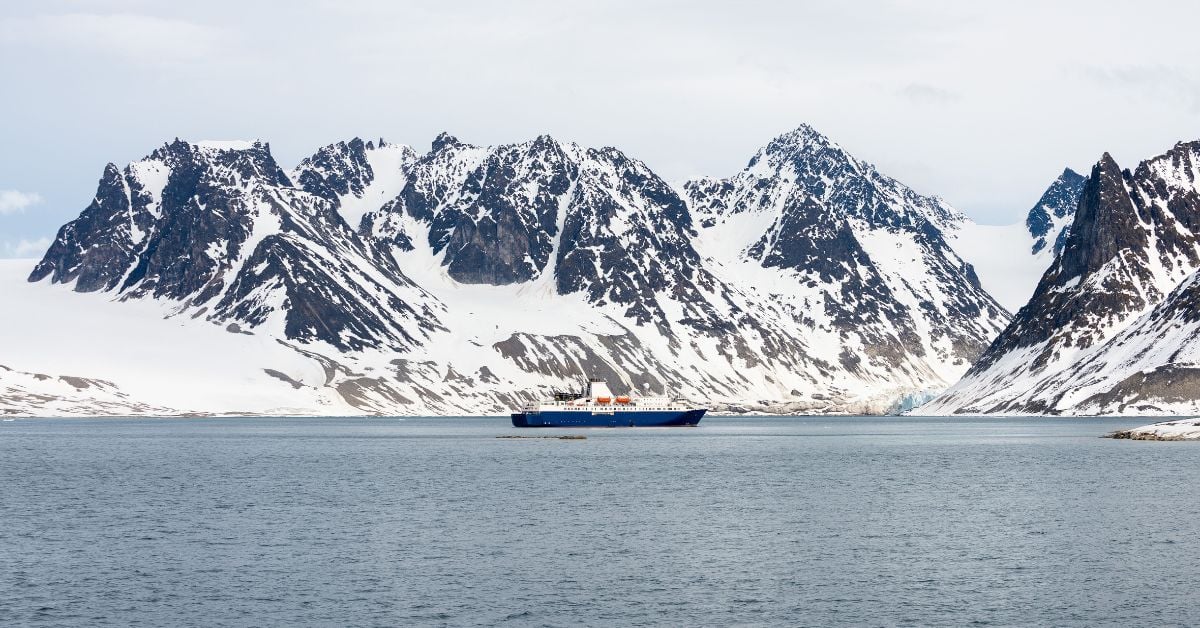
Chinese Research Vessels Operate Near Alaskan Coast, Raising Security Concerns
The presence of Chinese research vessels near the Alaskan coast signals a new layer of complexity in Arctic oversight. The United States views these operations as a potential security concern, and that reaction is measured, not alarmist. For those tracking maritime strategy, this is not abstract posturing; it is a concrete development in a region where access and influence are tightening. We should monitor these transits closely, because in the Arctic, presence itself is a form of leverage.
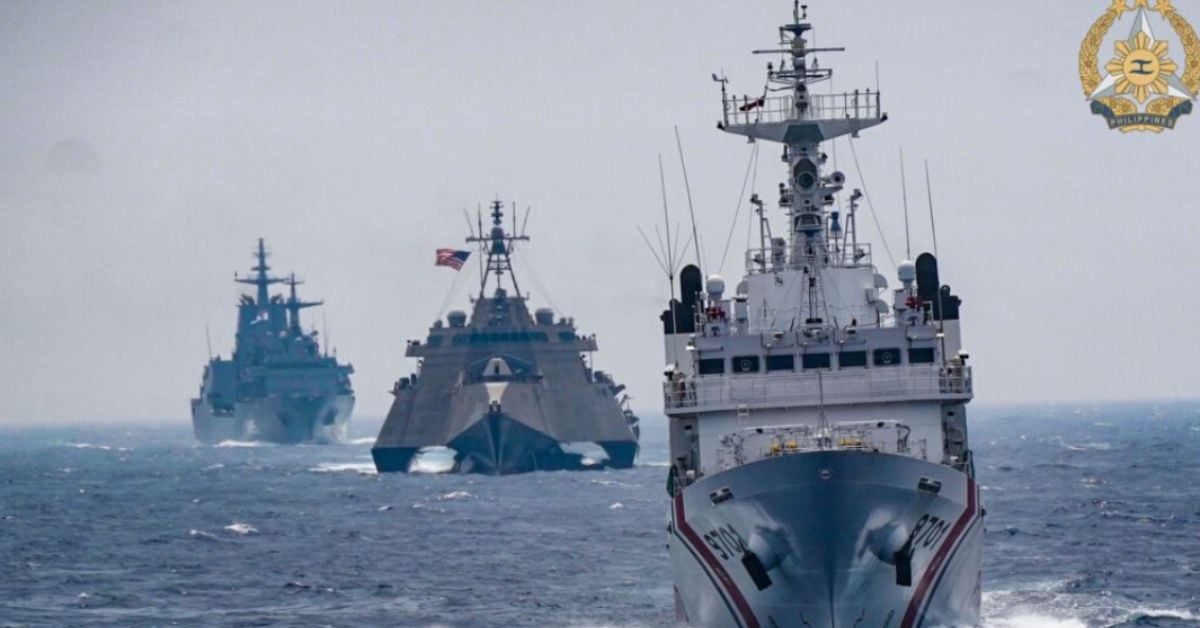
Naval Tensions Rise: Incident Near Sabina Shoal During Joint Exercises
The sight of Chinese warships shadowing Australian, Philippine, and U.S. vessels near Sabina Shoal during joint exercises is a measured reminder of how tense the region has become. These maneuvers are not accidents; they are calibrated signals of presence and intent. The West Philippine Sea demands precise observation, not alarm. For readers tracking the broader picture, our coverage of China's new nuclear carrier offers useful context on how such naval ambitions are being extended. For now, the message is clear: vigilance remains the operative word.

Iran Implements Transit Fees for Ships Through Strait of Hormuz
Iran's decision to impose transit fees on ships passing through the Strait of Hormuz introduces a calibrated layer of accountability to one of the world's most vital maritime corridors. Covering navigation, environmental support, fuel supply under specific conditions, and insurance, the measure frames safety as a service with measurable value. It is a pragmatic step, though one that warrants close observation. For broader context on regional shipping pressures, our related coverage of Gulf of Oman STS transfers offers useful perspective.

North Pole Reached: Canada's Icebreaker Prepares for 2026 Arctic Mission
The CCGS Louis S. St-Laurent has reached the North Pole, marking a decisive step for Canada's 2026 Arctic mission. This is what calibrated ocean intelligence looks like: measured, deliberate, and essential. As our largest icebreaker pushes into waters that demand respect, we're reminded that sovereignty and science move together. For context on how these polar routes connect to broader maritime security, our coverage of the Puntland Forces' recent tanker interception offers a parallel look at ocean vigilance.

Iran Withdraws from U.S. MoU, Strait of Hormuz Closure Looms.
Iran's formal withdrawal from the U.S. memorandum of understanding marks a decisive shift, one that places the Strait of Hormuz back under a shadow of uncertainty. The agreement, signed just last month, has unraveled quickly, and the strategic ripple effects are immediate. This is not a moment for alarmist language, but for measured attention. As tensions resurface, our earlier coverage of the Gulf of Oman's maxed-out ship-to-ship transfers reminds us how fragile these maritime corridors truly are.