shipyards
7 stories filed under shipyards on World Data Ocean. The newest of them: “Advancing Maritime Standards: A Global Framework for Hydrogen and Smart Ships”, “Global Shipbuilding Collaboration: Navy Explores International Frigate Options”, and “Expanding Reach: Indian Register of Shipping Connects with European Shipbuilding Partners”. Standards define the next wave of maritime progress, and ABS is helping to set them. The U.S. A Global Hub for Ocean Intelligence 4 World Data Ocean is a centralized digital platform where researchers, scientists, and ocean enthusiasts converge to… The list below is every shipyards story on World Data Ocean, newest first.
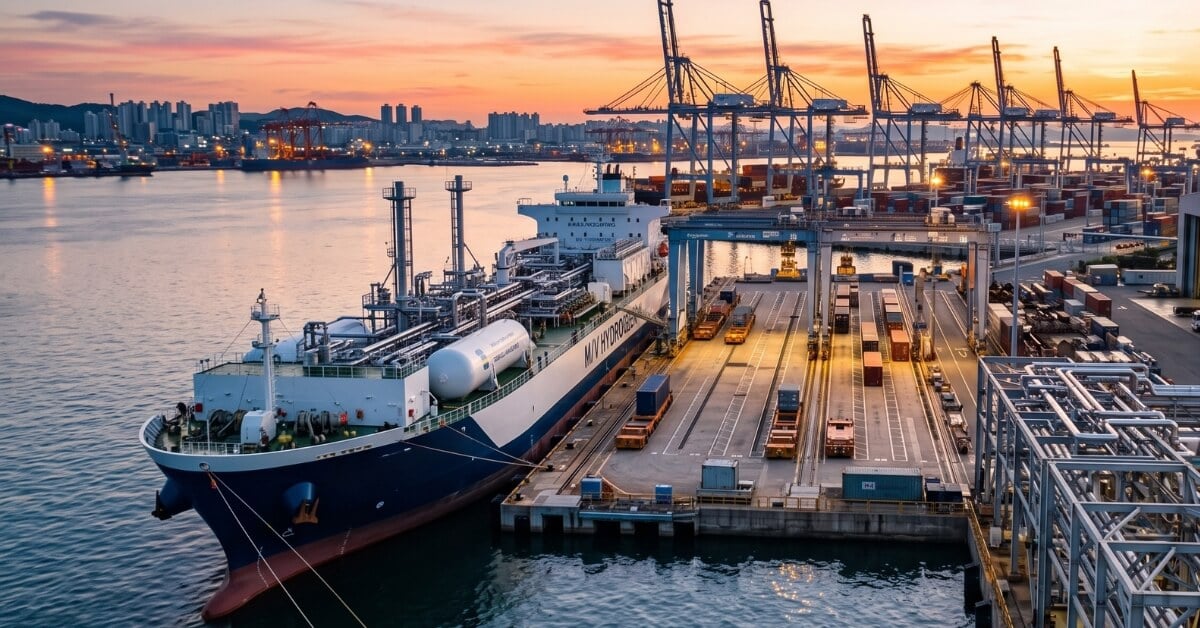
Advancing Maritime Standards: A Global Framework for Hydrogen and Smart Ships
Standards define the next wave of maritime progress, and ABS is helping to set them. The classification society has signed a memorandum of understanding with three Korean maritime organizations to advance international standards for hydrogen-powered and smart ships. This is practical, forward-looking work. Collaboration across borders is how ocean intelligence matures. For broader context on naval growth, our piece on India's expanded fleet offers a useful parallel. But this agreement is about building the framework itself, and that is where lasting impact begins.
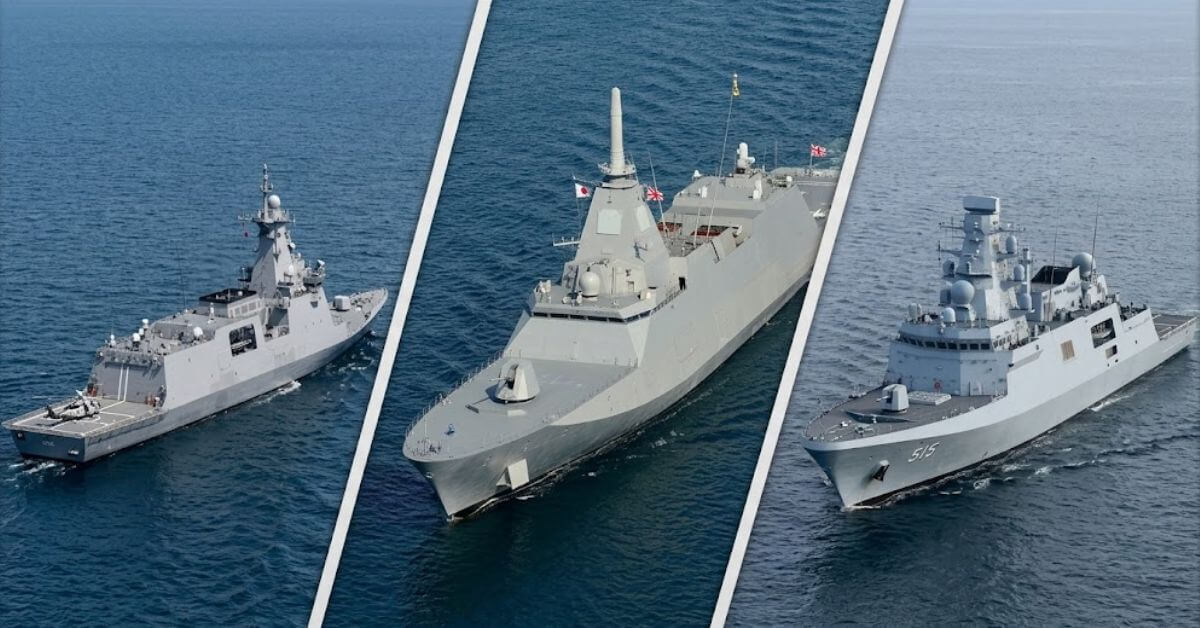
Global Shipbuilding Collaboration: Navy Explores International Frigate Options
The U.S. Navy's move to explore international frigate options signals a pragmatic shift toward speed without sacrificing domestic investment. This approach, which pairs foreign collaboration with targeted funding for U.S. shipyards and workforce expansion, reflects a measured strategy for meeting modern demands. It is a practical acknowledgment that no single nation can build everything alone, and that shared expertise strengthens overall capability. For readers tracking parallel efforts, our coverage of India's expanded naval fleet offers a useful counterpoint.

Expanding Reach: Indian Register of Shipping Connects with European Shipbuilding Partners
The Indian Register of Shipping has opened a Hamburg office, signaling a deliberate step toward deeper engagement with European shipbuilding partners. It is a move that makes sense: Europe remains a hub for engineering rigor, and proximity matters when collaboration depends on trust and technical alignment. This expansion is not about abrupt growth but measured integration into a mature maritime ecosystem.

Integrated Defense: Japan Deploys Fighters to India for Joint Exercises
Japan's deployment of fighter aircraft to India for joint exercises reflects a deliberate step toward shared regional stability. The agreement, finalized during bilateral talks in New Delhi between Defence Ministers Rajnath Singh and Shinjiro Koizumi, reinforces a practical alignment of defense priorities. Integrated operations of this kind build interoperability and trust, essential for addressing maritime security challenges. The timing is notable, particularly as related coverage on China's new nuclear carrier highlights shifting naval dynamics. Measured, recurring engagement between partners matters here.

Shipbuilding Orders Surge, Signaling Accelerated Maritime Growth.
The global shipbuilding orderbook is climbing at a 27% year-on-year rate, the fastest pace since the 2008 financial crisis. That is a decisive signal, not a blip. It points to a maritime sector gearing up for sustained demand, likely tied to fleet renewal and shifting trade routes. We read this as a measured vote of confidence in ocean commerce's trajectory.

Naval Investment: Trump-Class Battleships to Reach $275 Billion
The Trump-Class Battleship program carries a $275 billion price tag, with the lead vessel alone reaching $23.4 billion. That is a staggering commitment, but it signals a deliberate move toward sustained maritime dominance. We see this as a statement of intent, not just a budget line. For context on how other nations are scaling their fleets, our coverage of India's expanded naval projections offers a useful counterpoint. Battleship investments of this scale demand scrutiny, yet they underscore a clear strategic calculus.

Nuclear Propulsion Powers Next-Generation U.S. Battleship Program
Nuclear propulsion is set to power the U.S. Navy's next-generation Trump-class battleship, a decision that pairs long-range endurance with strategic staying power. This is not just a propulsion choice; it is a statement about sustained presence. For readers tracking parallel developments, China's new nuclear carrier signals similar ambitions, but the U.S. program grounds its advantage in validated, peer-reviewed operational planning. We see this as a calibrated step forward: nuclear energy offers real-time readiness without the logistical drag of refueling.