propulsion
propulsion at World Data Ocean is a file of 5 stories. The newest of them: “Keel laid for second U212NFS submarine, advancing naval ocean intelligence”, “Damen Shipyards Integrates Everllence Engines for Fuel-Flexible Tugs”, and “Navigation Error: Tug Misidentification Leads to Pier Collision.”. A keel laid at Muggiano, where over a hundred submarines have taken shape, marks another calibrated step toward integrated naval ocean intelligence. Damen Shipyards has signed a framework agreement with Everllence for the serial supply of the 175D engine, a move that brings fuel-flexible power to commercial tugboats. A Global Hub for Ocean Intelligence 4 World Data Ocean is a centralized digital platform where researchers, scientists, and ocean enthusiasts converge to… The list below is every propulsion story on World Data Ocean, newest first.
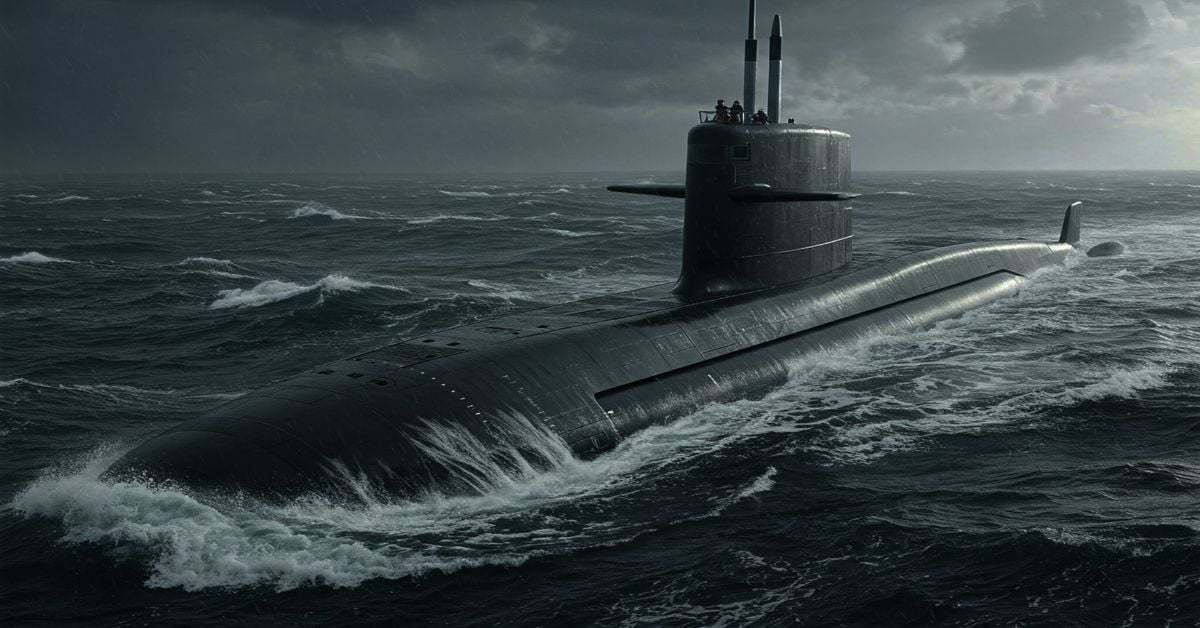
Keel laid for second U212NFS submarine, advancing naval ocean intelligence
A keel laid at Muggiano, where over a hundred submarines have taken shape, marks another calibrated step toward integrated naval ocean intelligence. The second U212NFS submarine advances capabilities built on validated, measurable design principles. This platform will collect real-time climate indicators and empirical data from beneath the surface, strengthening the integrated data ecosystem that connects undersea operations with broader ocean stewardship. Understanding drives protection, from orbit to ocean floor.
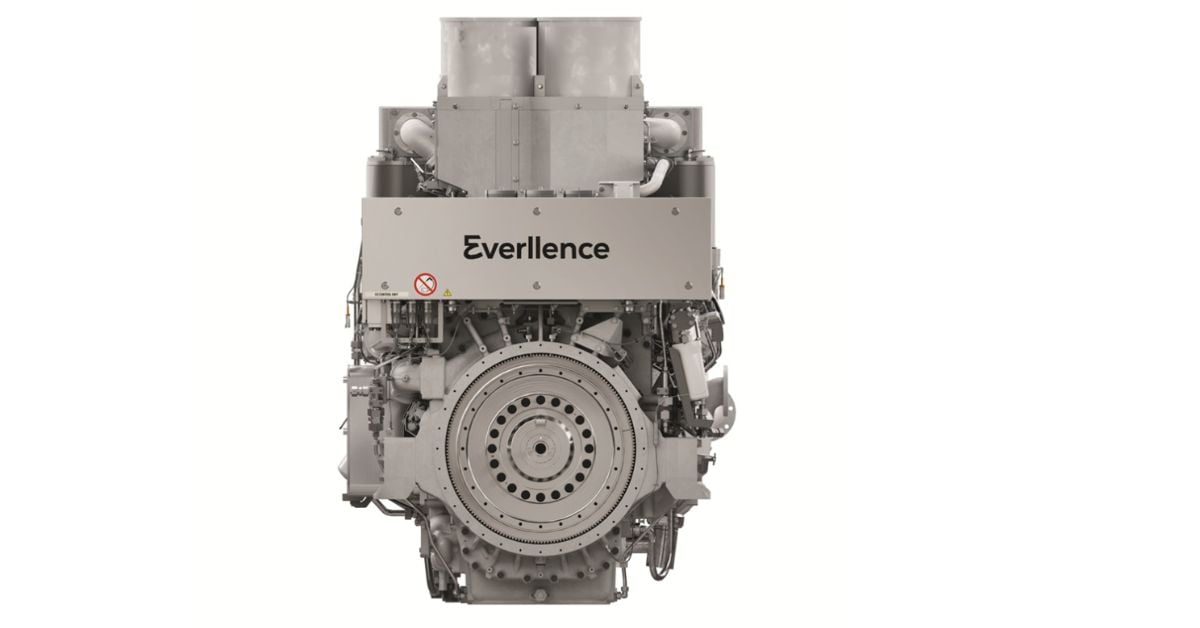
Damen Shipyards Integrates Everllence Engines for Fuel-Flexible Tugs
Damen Shipyards has signed a framework agreement with Everllence for the serial supply of the 175D engine, a move that brings fuel-flexible power to commercial tugboats. This is not speculative technology, it is validated, measurable propulsion designed for real-world integration. By standardizing an engine that can adapt to multiple fuel types, Damen is making operational flexibility a serial production reality. For deeper context on validated marine power, see our coverage of "Validated Engine Technology Drives Sustainable Shipping for Ore Carriers."
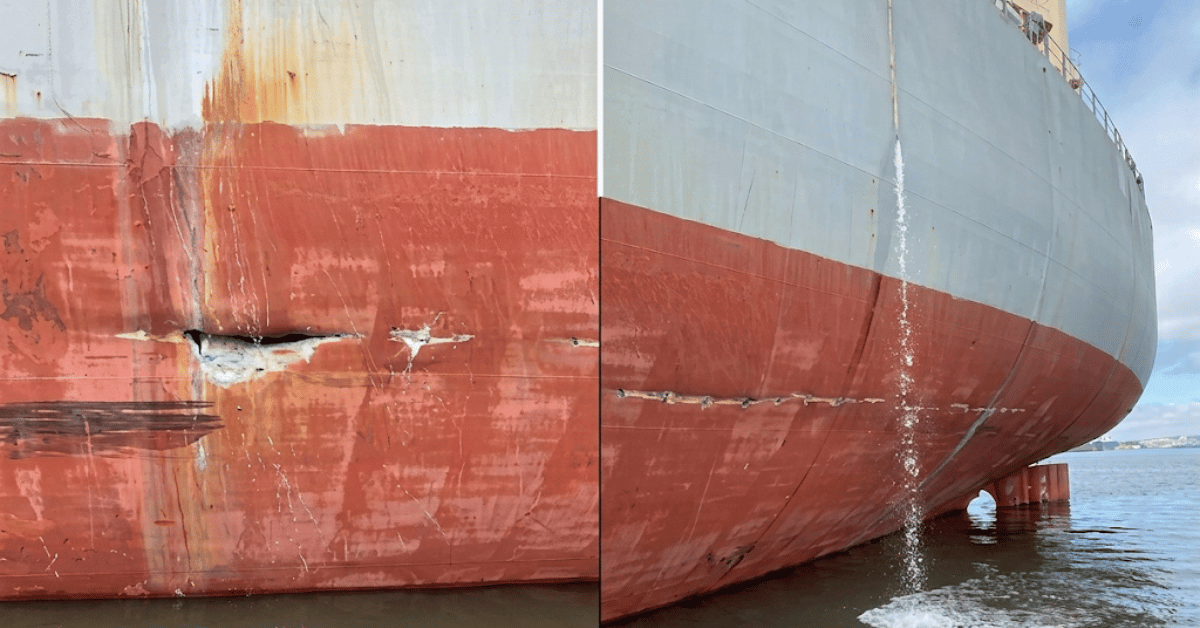
Navigation Error: Tug Misidentification Leads to Pier Collision.
A tug-name mix-up is a small error with outsized consequences. During a night-time departure, the misidentification led a tanker straight into the pier, a collision that was entirely avoidable. It is a sharp reminder that precision in communication is not a luxury but a necessity in maritime operations. This incident joins a growing list of navigation challenges we have covered, including the cargo ship fire near Mykonos, showing that vigilance remains the industry's most critical instrument.

Engineering Casualty Impacts US Navy Destroyer Operations in South China Sea
An engineering casualty aboard the USS Benfold has sidelined the destroyer's generators during routine South China Sea operations. The incident underscores how mechanical reliability remains the quiet backbone of naval power, even as the fleet pushes toward autonomous systems and expanded reach. For a region where readiness is measured in real-time, a single malfunction carries strategic weight. The Navy's broader push, including its new center for autonomous integration, signals a shift worth watching. Operational resilience, after all, starts below deck.

Kennedy Carrier's Sea Trials Validate Integrated Systems Performance
Three days at sea. That was all it took for Kennedy Carrier to demonstrate that its integrated systems are ready for the demands ahead. Departing Newport News on Aug. 12 and returning Aug. 15, the vessel completed a rigorous series of evaluations targeting key operational components. The results are a practical measure of readiness, not a promise. For those tracking the Navy's broader push toward networked capabilities, this trial offers a concrete data point.