Pacific
World Data Ocean keeps Pacific in one place: 6 stories so far. The section currently leads with “Undersea cable sabotage reveals critical gaps in global telecom security”, “Shipboard protest follows Pacific mineral survey amid seabed mining debate”, and “Optimal LNG Carrier Design: Boosting Capacity, Reducing Costs”. A series of sabotage attacks on undersea cables, allegedly carried out by a Russian "shadow fleet," has exposed a critical vulnerability in global telecom security, our most essential infrastructure is poorly defended… A government-owned research vessel returns from a Pacific mineral survey to find Greenpeace activists waiting on its deck. A Global Hub for Ocean Intelligence 4 World Data Ocean is a centralized digital platform where researchers, scientists, and ocean enthusiasts converge to… The list below is every Pacific story on World Data Ocean, newest first.
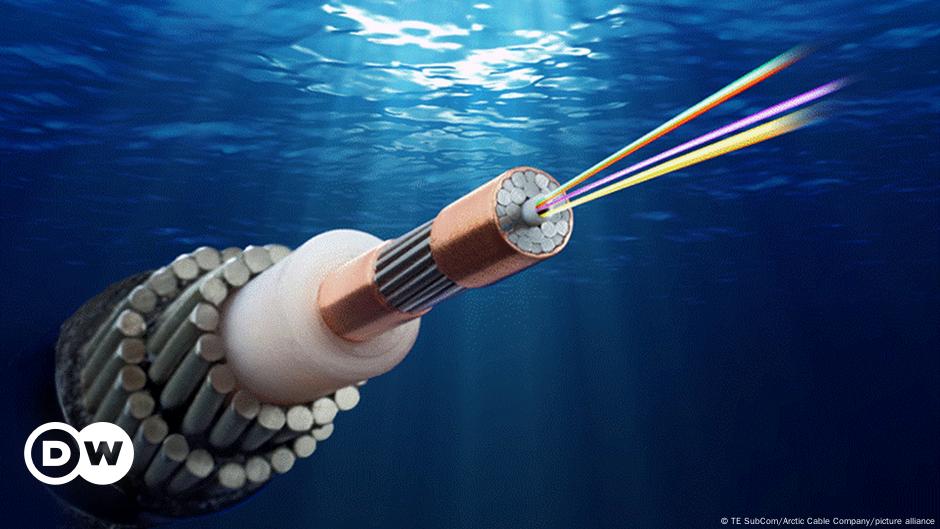
Undersea cable sabotage reveals critical gaps in global telecom security
A series of sabotage attacks on undersea cables, allegedly carried out by a Russian "shadow fleet," has exposed a critical vulnerability in global telecom security, our most essential infrastructure is poorly defended against deliberate destruction. These are not accidental cuts; they are attacks. This vulnerability mirrors the accelerating signals we track in our oceans, explored in *Ocean's early warnings grow urgent as climate signals accelerate*. Protecting what connects us demands the same vigilance we apply to the planet itself.
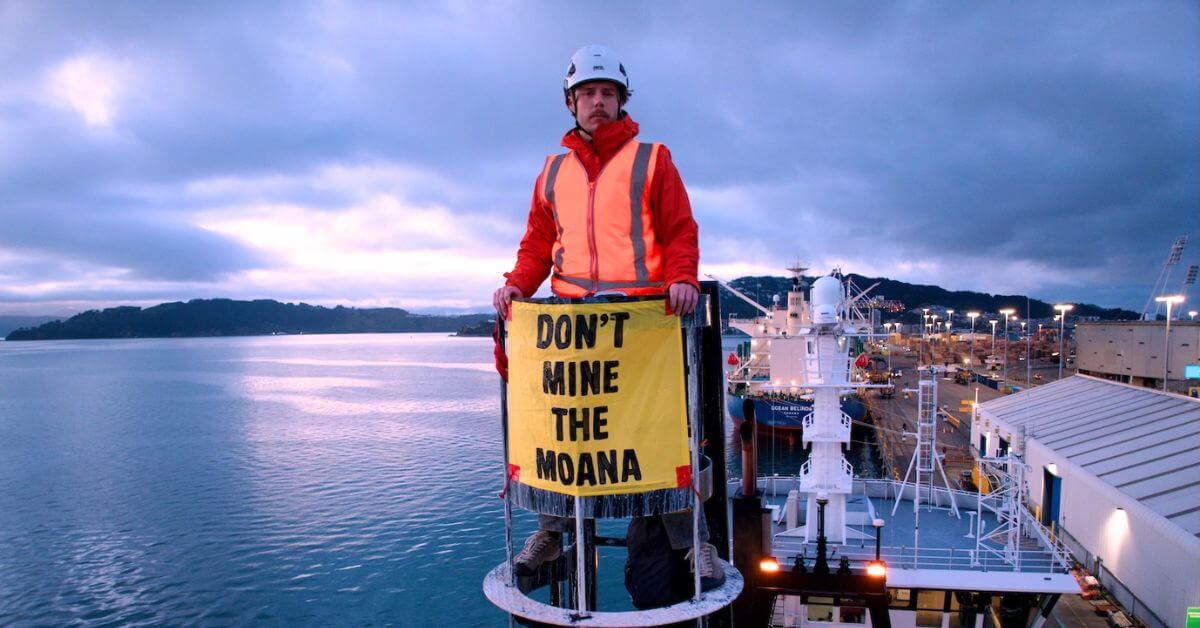
Shipboard protest follows Pacific mineral survey amid seabed mining debate
A government-owned research vessel returns from a Pacific mineral survey to find Greenpeace activists waiting on its deck. The protest sharpens a global debate: who owns the seabed, and at what cost to the ocean? Validated science must underpin these decisions, not corporate urgency or alarmist rhetoric. For deeper context on maritime tensions and resource disputes, see our coverage of the Mediterranean oil spill modeling upgrades. Understanding drives protection, and the Pacific's future depends on the integrity of the data we collect now.
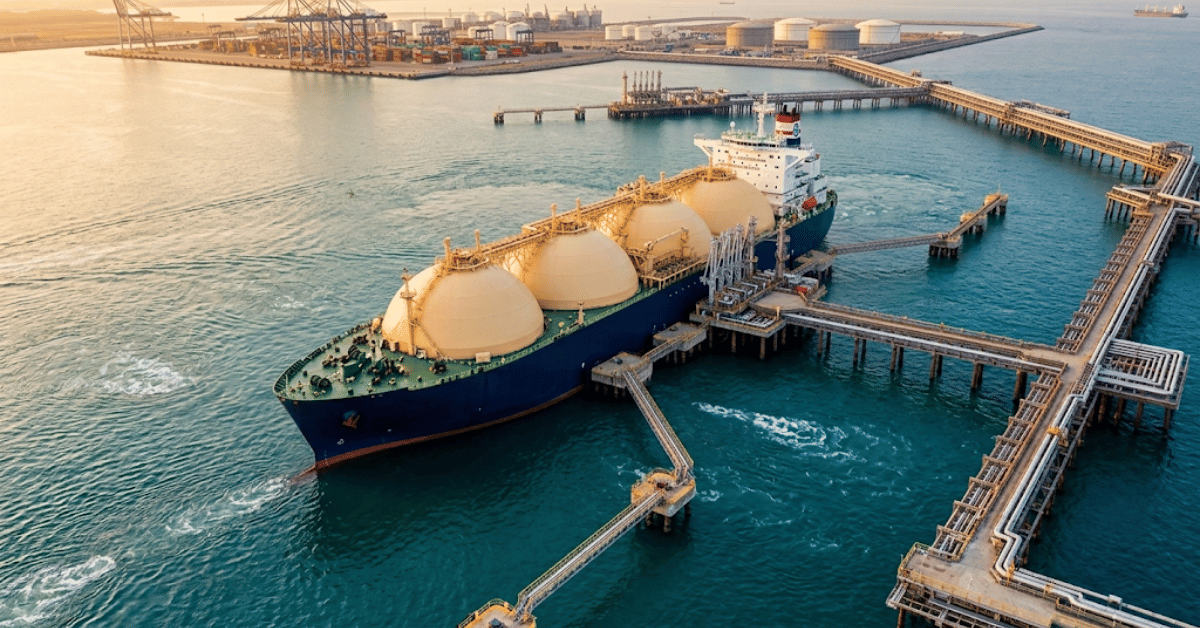
Optimal LNG Carrier Design: Boosting Capacity, Reducing Costs
A 200,000m³ LNG carrier can move more gas per voyage without sacrificing access to the terminals that matter most. LR's analysis shows that this larger capacity directly reduces unit transport costs while staying compatible with the majority of existing infrastructure. That is practical efficiency, not speculative ambition. For readers tracking how maritime logistics adapt under pressure, our piece on Gulf of Oman STS transfers maxing out offers a useful parallel.
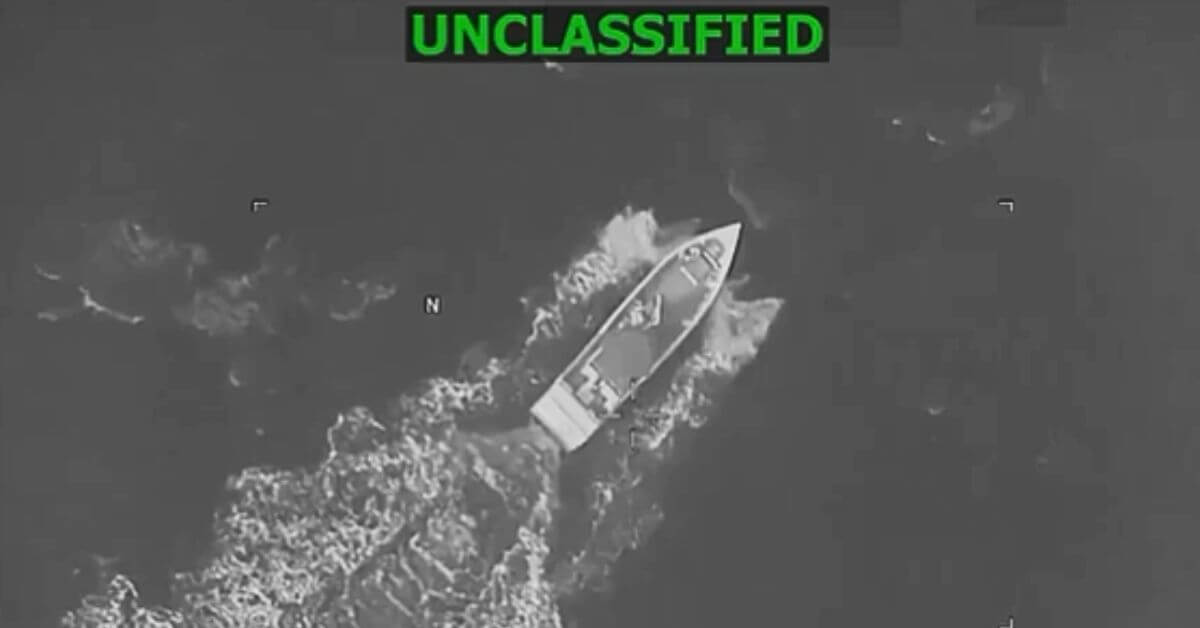
Maritime Interdiction: U.S. Strike in Caribbean Raises Questions of Escalation
Two days after a U.S. strike on a vessel in the Eastern Pacific killed two people, a new maritime interdiction in the Caribbean is forcing a harder look at escalation. These are the first such actions in over two months, and the timing is deliberate. Measured force, when applied, still carries weight. The question is whether Washington is calibrating a broader posture or responding to isolated pressure.

Solomon Islands, U.S. Coast Guard Formalize Maritime Security Partnership.
The Solomon Islands and U.S. Coast Guard have formalized a maritime security partnership, anchored by a planned ship-rider agreement. This move arrives as Washington intensifies its Pacific engagement, countering China's expanding influence. It is a pragmatic step, one that prioritizes operational trust over rhetoric. For readers tracking regional dynamics, our related coverage on integrated subsea infrastructure shifting Indian Ocean connectivity offers useful context on how strategic ties are being redrawn. Measured, deliberate, and necessary, this agreement reflects the quiet work of building lasting maritime order.

Preserving a Legacy: USS Silversides Enters Dry Dock for Vital Repairs
The USS Silversides has arrived at Fincantieri Bay Shipbuilding, entering dry dock for essential repairs. This is preservation in its most practical form. A vessel that once defined service now requires the same precision and care it demanded in its prime. Drydocking is not maintenance; it is a commitment to memory. For those tracking maritime readiness, this effort pairs well with our coverage of India's expanded naval fleet. Both stories affirm that sustaining capability, whether historic or future-facing, remains a deliberate, measurable act.