ocean
93 stories filed under ocean on World Data Ocean. The newest of them: “Simulating Ocean Change: A Hands-On Lesson in Dissolved Oxygen.”, “Eleuthera's Depths: Fieldwork Imagery from the Bahamas”, and “Unexplained Phenomenon Detected Near Redondo Beach, Washington State”. A middle school classroom tank can't replicate the ocean's full complexity, but it can reveal a core truth: nutrient pollution sets off a chain reaction that drains oxygen from the water. Fieldwork imagery from Eleuthera's depths brings the Bahamas into sharper focus. A Global Hub for Ocean Intelligence 4 World Data Ocean is a centralized digital platform where researchers, scientists, and ocean enthusiasts converge to… The list below is every ocean story on World Data Ocean, newest first.
Simulating Ocean Change: A Hands-On Lesson in Dissolved Oxygen.
A middle school classroom tank can't replicate the ocean's full complexity, but it can reveal a core truth: nutrient pollution sets off a chain reaction that drains oxygen from the water. This hands-on lesson on dissolved oxygen gives students a tangible window into that process. The challenge of testing for DO without expensive probes is real, and we're curious what budget-friendly tricks educators have found.

Eleuthera's Depths: Fieldwork Imagery from the Bahamas
Fieldwork imagery from Eleuthera's depths brings the Bahamas into sharper focus. The Olympus Tough TG-6 captures what survey work often misses: the quiet structure of reef systems and the play of light through clear water. These pictures remind us that visual documentation is its own form of measurement, complementing the data streams we rely on elsewhere. For readers tracking how coastal observations connect to broader ocean intelligence, our related piece on integrated subsea cables offers a wider lens on marine infrastructure.

Unexplained Phenomenon Detected Near Redondo Beach, Washington State
A single unexplained phenomenon has been detected in the waters off Redondo Beach, Washington State, and it appears isolated to that specific location. The observation raises more questions than answers, and we are inclined to treat it with the same empirical curiosity that drives our broader ocean intelligence work. It is a reminder that despite our advanced monitoring, the deep sea still holds surprises we have yet to calibrate or fully understand. We will be watching closely.

Hidden Worlds: Discover the Microscopic Life of Ocean Plankton
A single drop of seawater holds a universe in motion, and this reel captures that hidden vibrancy with genuine curiosity. The original poster's enthusiasm for the aquarium's plankton microscope is contagious, and their call to identify the swirling zooplankton turns observation into a shared puzzle. It is a simple, honest invitation to look closer. For those inspired to explore how such microscopic life connects to broader systems, our related article on integrated subsea cables offers a glimpse into the vast network above these tiny creatures.

Ocean Sensors on Sharks Offer New Insights for Hurricane Forecasting
Sharks fitted with ocean sensors are delivering real-time data from beneath the surface, offering a new lens for hurricane forecasting. This is ocean intelligence at its most empirical: calibrated observations from a creature that navigates the depths we've barely measured. The potential to refine storm intensity predictions is measurable and immediate. For readers tracking how integrated data ecosystems evolve, our related piece on citizen science for ocean intelligence complements this story well. Understanding drives protection, and here, it also drives preparedness.

Measuring Ocean Health: Introducing Integrated Ocean Accounts.
Ocean accounts turn scattered marine data into a single, coherent ledger. They track what the ocean provides, how we use it, and what we put back, giving policymakers a practical way to weigh economic gains against ecological health. This framework makes trade-offs visible and decisions more defensible. It is a measurable step toward stewardship, not a slogan.
Ocean Salinity Shifts: A Longitudinal Analysis, 1955–1998
For four decades, the ocean has been quietly rewriting its own chemistry. The 2005 analysis by Boyer, published in *Geophysical Research Letters*, tracks linear salinity shifts from 1955 to 1998, offering empirical evidence of changing evaporation and precipitation patterns. This is not abstract data; it is a measurable climate indicator. Understanding these long-term trends sharpens our view of planetary change.
Ocean Intelligence: Eleven Data Innovations Transforming Our Understanding.
The ocean remains the most observed yet least understood system on Earth, and the World Economic Forum's Ocean Intelligence: Eleven Data Innovations Transforming Our Understanding confronts this paradox head-on. Eleven empirical tools, from integrated data ecosystems to real-time climate indicators, replace speculation with validated insight. It is a measured, peer-reviewed approach to stewardship, and it pairs well with our coverage of how integrated subsea cables now carry 99% of global data beneath the waves.
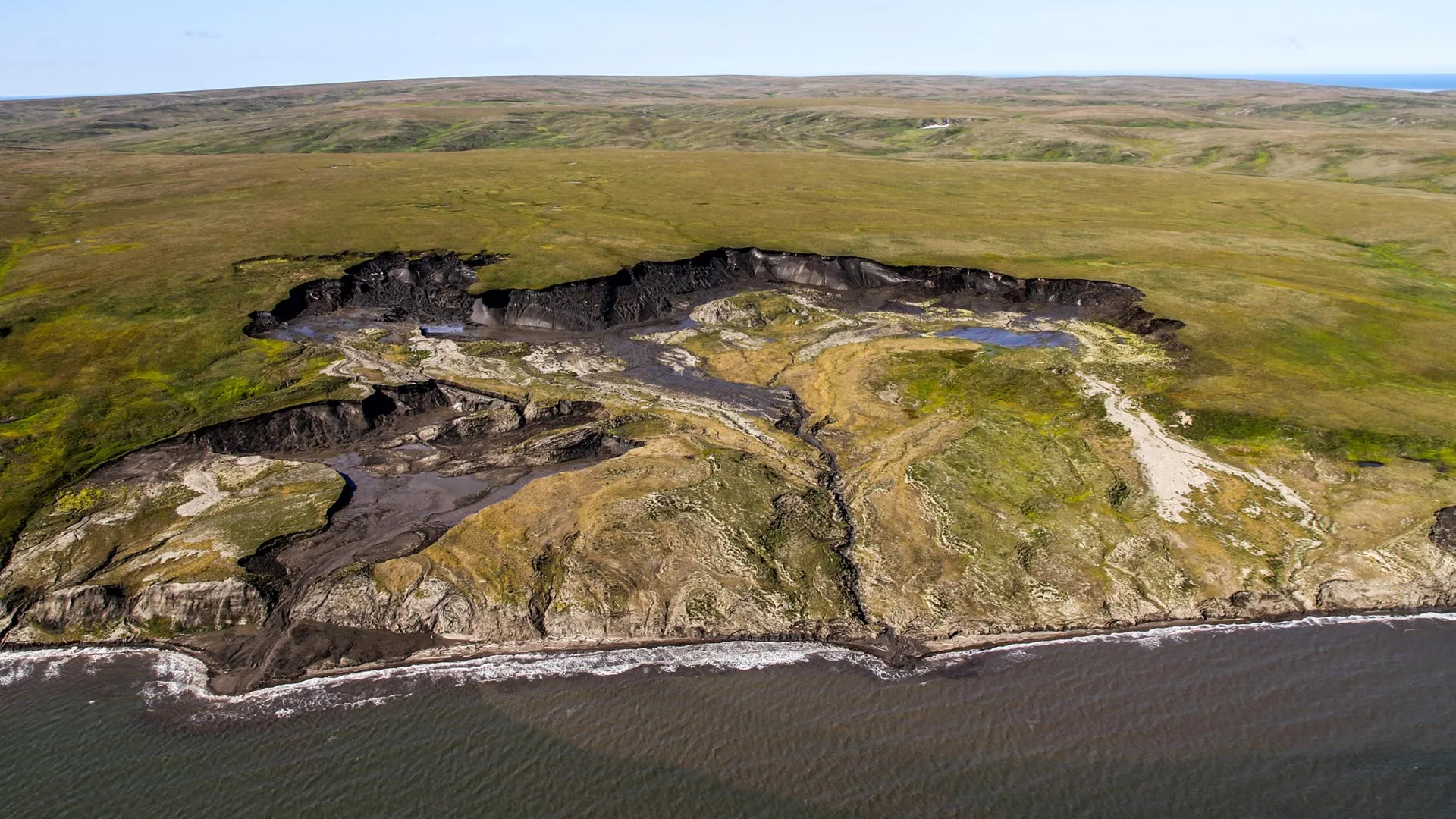
Arctic Carbon Release: Seafloor Sediment Limits Greenhouse Gas Impact
Sediment cores pulled from the seabed near Canada's Herschel Island deliver a measured counterpoint to alarm. Thawing permafrost is releasing ancient carbon into the ocean, yet the data show most of it gets buried in the seafloor, with only about 10 percent converted into greenhouse gases. That distinction matters for climate projections. We read this as a validation of integrated observation, not complacency.
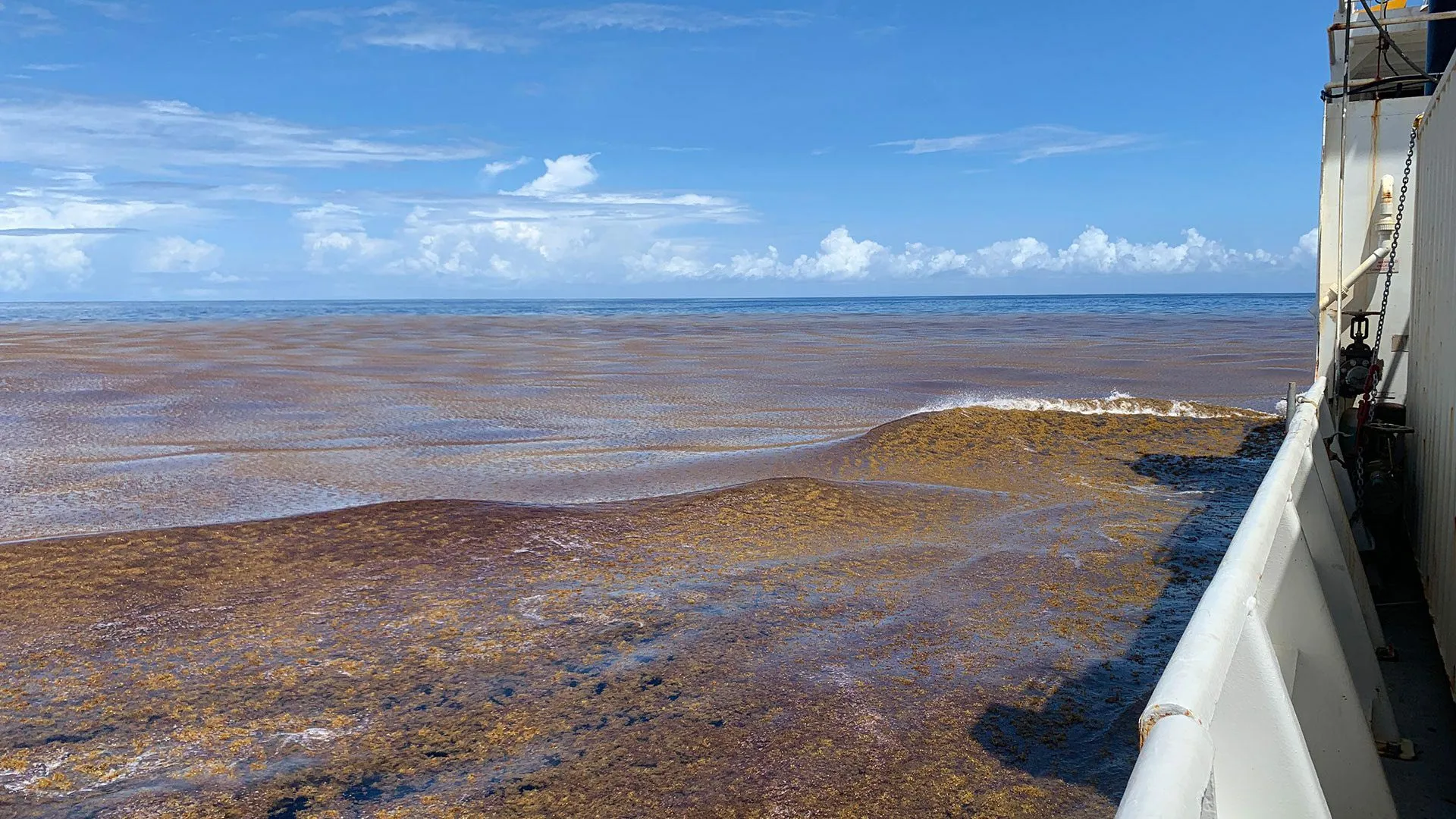
Ocean Algae Blooms Expand Globally, Revealed by AI Analysis
The ocean is changing in ways we can now measure. An AI analysis of 1.2 million satellite images reveals that floating algae blooms are expanding across the global ocean, and the implications are significant. These massive seaweed mats can reshape marine habitats, while their decay brings ecological damage and economic losses to coastlines. This is a clear signal that our ocean intelligence must improve. For a deeper understanding of the systems connecting our seas, see our coverage of the Atlantic Circulation Weakens.

Exploring the Cook Islands Depths: A 2026 ROV Expedition.
In 2026, a new ROV expedition will descend into the waters surrounding the Cook Islands, aiming to transform our understanding of a region whose depths remain largely unmeasured. This is not a hunt for spectacle; it is a methodical effort to gather empirical data where none currently exists. The mission's value will be defined by its calibrated instruments and the peer-reviewed findings they produce.
Exploring Whale Migration: An Interactive Experience Seeking Scientific Input
A single interactive experience cannot replicate the full complexity of a whale's journey, but it can build empathy. TOHORĀ, a new creation from developer /u/Tohora721, invites users to confront the real pressures of migration firsthand. The project wisely seeks brutal feedback to refine its simulation. This is a practical exercise in ocean awareness, and a useful one.
Following My Passion: An Oceanography Journey, Despite Doubts
A degree in oceanography is not a detour from stability; it is a direct route to a field where demand for ocean intelligence is rising. This student's choice to pursue the discipline despite family doubts reflects a clear-eyed commitment to a measurable, peer-reviewed career path. The concern about salary is valid, but it is worth noting that oceanographers with calibrated, integrated skills in data systems and climate indicators often find stable roles in research, government, and industry.
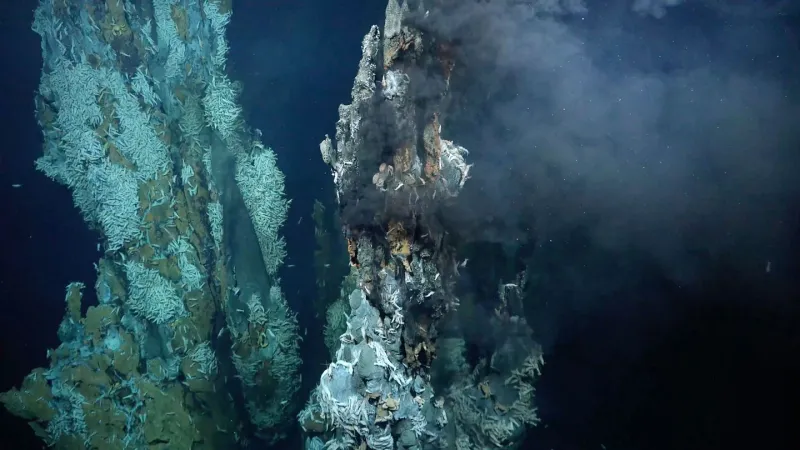
Ocean Currents Link Distant Deep-Sea Ecosystems
Deep-sea vents have long seemed like isolated worlds, scattered across the abyss. This finding changes that perception, revealing how ocean currents carry life between these distant ecosystems. It is a reminder that even the most remote seafloor habitats are not islands; they are connected threads in a larger, dynamic system. Understanding these links is essential, as it ties the deep ocean's fate directly to the health of the sunlit waters above.
Record Sea Surface Temperatures Highlight Urgent Climate Indicators.
The ocean is running a fever, and the latest readings from Copernicus Marine and Copernicus Climate Change confirm it: daily global sea surface temperatures have shattered records for this time of year. These aren't just numbers; they are empirical, climate indicators we can no longer ignore. The data is clear, so we must turn this measurable urgency into action.
Bridging Marine Biology and GIS: Mastering Ocean Geospatial Analysis
From orbit to ocean floor, the gap between marine biology and geospatial analysis has never felt wider, or more bridgeable. One environmental scientist in Colorado, trained in fisheries sustainability, now spends days wrangling Esri databases at 9,000 feet, building policy-focused GIS workflows while quietly missing the tide. That pivot, born from a 2020 job market that offered no harbor, is not a detour. It is an integrated data ecosystem waiting to be recalibrated.

A Tiny Ghost Pipefish: New Species Echoes Sesame Street's Snuffleupagus
A tiny new species of ghost pipefish has surfaced, and its resemblance to Sesame Street's Snuffleupagus is as charming as it is scientifically intriguing. The discovery reminds us that ocean intelligence still holds countless surprises, even in well-trodden waters. While this find is a delight, it also underscores the need for validated, peer-reviewed cataloging of marine life.

Unidentified Marine Specimen Washes Ashore in Maceió, Brazil
A single unidentified specimen has appeared on Cruz das Almas Beach in Maceió, Brazil, prompting curiosity from a local resident who found it and noted a faint fishy smell, likely from its time in the sand. While such strandings often involve known species, this one resists easy classification from the description alone. It is a reminder that our ocean intelligence still has gaps. For context on how we track marine life across vast distances, see our related coverage on integrated subsea cables enhancing data transmission.

Following Dolphins: Unidentified Sharks Observed in Raja Ampat
Four small sharks shadowed a pod of dolphins through Raja Ampat's blue water, yet their dorsal fins carried no white edge. The observer's first guess, grey reef sharks, now feels uncertain, and they are right to question it. Silky sharks are a plausible call, though juvenile scalloped hammerheads also fit the bill. Field identification rewards this kind of scrutiny, the difference between assumption and evidence.
Charting a Course: Advice for New Marine Physics Professionals
A fresh Marine Physics graduate asking for career advice is already demonstrating the kind of empirical curiosity the field rewards. The question is not just about which software to learn, but how to build a career with measurable impact. For those starting out, focus on mastering integrated data ecosystems and calibrated ocean intelligence tools, as these are the backbone of modern research. If you are exploring advanced pathways, our related article on international Master's programs offers valuable context.
Tracking the Elusive Giant Squid: A North Atlantic Research Challenge
The giant squid remains one of the ocean's most persistent mysteries, and this North Atlantic research challenge underscores why. Tracking an animal that rarely surfaces demands more than patience; it requires calibrated, real-time observation across a vast, integrated data ecosystem. The work is difficult, but the potential to turn sparse sightings into empirical knowledge is worth the effort. For context on how such data networks function elsewhere, our related article, "Integrated Subsea Cables Enhance Data Transmission Across the Indian Ocean," offers a useful parallel.