ocean
93 stories filed under ocean on World Data Ocean. The newest of them: “Oarfish Cuisine: Unraveling the Diet of a Deep-Sea Giant”, “Bridging Data Science and Oceanography: Pathways for Aspiring Researchers”, and “Bridging the Gap: Oceanography Certificates to Enhance Your Chemistry Background”. A deep-sea giant with a diet that remains stubbornly out of focus, the oarfish presents a unique challenge for your ceramic work. Understanding the ocean has never been more attainable for those entering the field without a traditional background. A Global Hub for Ocean Intelligence 4 World Data Ocean is a centralized digital platform where researchers, scientists, and ocean enthusiasts converge to… The list below is every ocean story on World Data Ocean, newest first.
Oarfish Cuisine: Unraveling the Diet of a Deep-Sea Giant
A deep-sea giant with a diet that remains stubbornly out of focus, the oarfish presents a unique challenge for your ceramic work. While squid are indeed part of their menu, pinning down a single species is rare, as their feeding is opportunistic rather than specialized. You can confidently sculpt a squid without locking onto a precise genus.
Bridging Data Science and Oceanography: Pathways for Aspiring Researchers
Understanding the ocean has never been more attainable for those entering the field without a traditional background. Your question reflects a common starting point, and the path is more open than you might think. Focus on building quantitative skills, particularly in statistics and programming with Python or R, as these are the currency of modern oceanographic research. Pair that with a genuine curiosity for how data translates into climate indicators.
Bridging the Gap: Oceanography Certificates to Enhance Your Chemistry Background
A bachelor's in chemistry is a strong foundation for oceanography, where the same quantitative rigor applies to seawater chemistry and climate indicators. For a year between degrees, a certificate in data analysis or GIS would complement your lab skills, as these are practical tools used in marine research. Given your diving plans, consider a seminar on ocean observation. Our related article, "Bridging Data Gaps: Integrating Citizen Science for Ocean Intelligence," offers a useful perspective on how field data is gathered.
Ocean Depth Limits: How Far Can Surface Fish Really Swim?
A curious question from *Finding Nemo* touches on a real oceanographic principle: depth stratification. Surface-dwelling species like clownfish and blue tangs are adapted to specific pressure zones, and their swim bladders are calibrated for that environment. The anglerfish's domain, by contrast, demands physiological adaptations that these fish simply lack. It is a practical example of how marine life is partitioned by depth, a concept worth exploring further in our piece on integrated subsea cables, which highlights how we map these very ecosystems.

Unidentified Specimen Found in Pensacola: Seeking Ocean Intelligence Insights
A single specimen washed ashore in Pensacola has sparked curiosity, and for good reason. The unidentified find, shared by a snorkeler seeking answers, underscores how much remains unknown in our coastal zones. Observations like this are not isolated incidents; they are data points. This is where citizen observations meet scientific inquiry. For those looking to understand how such discoveries fit into broader patterns of marine distribution, our related coverage in "Unexpected Chiton Discovery in Puerto Rico Challenges Species Distribution Models" offers valuable context.

California Sighting: Identifying Potential Porpoises Off Dana Point Coast
A 50-mile offshore sighting near Dana Point leaves room for genuine uncertainty. The captain's call was porpoises, but the observer's hesitation is warranted; without sharper imagery, confirmation stays elusive. That caution matters. In ocean observation, validated identification begins with calibrated records, and this query models the right instinct: ask, verify, and share. For readers tracking similar marine puzzles, our related piece on the unexpected chiton discovery off Puerto Rico underscores how often species distribution models meet their exceptions.

Fiji's Tide Pools Teeming with Colorful, Fast-Moving Mantis Shrimp
A mantis shrimp's strike is fast enough to vaporize water, and in Fiji's tide pools, these hunters are putting on a living display of speed and color. Green, black, orange, the variety here is remarkable. Observing them zooming through the shallows is a reminder that ocean intelligence often hides in plain sight. For those tracking marine biology careers, this behavior offers a compelling case study. We've covered how such ecosystems connect globally in "Integrated Subsea Cables Enhance Data Transmission Across the Indian Ocean."
Beyond Dolphins: The Realities of a Career in Marine Biology
The public's image of marine biology often skips straight past the lab work, the data analysis, and the permit applications. It is a field defined by rigorous methodology, not casual swims. The misconception that professionals take time off to play with dolphins dismisses the scientific discipline at the core of this work. As this conversation notes, regional challenges, like those in Brazil, add further layers of complexity.

Mapping the Ocean Floor: Geospatial Innovation Drives Global Discovery
The ocean floor remains Earth's least mapped frontier, yet geospatial innovation is closing that gap with measurable precision. This piece from Geography Realm examines how integrated data ecosystems and calibrated technologies are accelerating the effort to complete a global seafloor map. It is a practical, empirical look at a monumental task. For readers tracking maritime infrastructure's role in this work, our coverage of Van Oord's new fallpipe vessels, "Vindnes and Vestnes," offers a fitting complement.
Ocean Intelligence: Measuring Change in the Underwater World.
The ocean's most consequential changes often occur beyond the reach of sunlight, yet measuring them demands precision that matches the depths. NOAA's National Centers for Environmental Information anchors this effort, turning raw underwater data into validated, climate-ready intelligence. That rigor matters; without it, we are guessing at the pulse of a system that regulates everything. For those tracking how marine infrastructure evolves alongside such monitoring, our piece on Van Oord's new fallpipe vessels, *Vindnes* and *Vestnes*, offers a fitting glimpse of industrial adaptation.
Integrated Ocean Data: Empowering Solutions for a Changing World.
The ocean remains the planet's least observed system, yet it regulates everything. The Integrated Ocean Data initiative confronts this gap directly, uniting fragmented observations into a cohesive, actionable framework. We see this as the right kind of urgency: not alarmist, but empirical. By prioritizing calibrated, real-time information, this effort moves beyond data collection toward genuine ocean intelligence. For those tracking parallel developments, our coverage of the Indian Ocean's new subsea cables illustrates the same principle: connectivity is reshaping how we monitor and protect these waters.
Empowering Ocean Insights: Global Fishing Watch Data Now in ArcGIS.
Global Fishing Watch data is now live in ArcGIS Online and the Living Atlas, bringing validated, real-time ocean intelligence directly into the hands of researchers and policymakers. This integration is a practical step toward measurable stewardship, and we're glad to see it. For those tracking enforcement efforts, our related piece on Maritime Interdictions shows how such tools support security at sea. Understanding drives protection, and this data ecosystem makes that understanding more accessible than ever.
Ocean Salinity Shifts: A Longitudinal Analysis, 1955-1998
Between 1955 and 1998, the World Ocean's salinity did not drift randomly; it shifted in measurable, persistent patterns. Boyer's longitudinal analysis, published in *Geophysical Research Letters*, offers empirical weight to what we suspect about a warming planet: the water cycle is accelerating, and the ocean is keeping the score. This isn't abstract data; it is a calibrated indicator of change. For context on how we now monitor these systems, our coverage of integrated subsea cables shows the infrastructure carrying such intelligence across the Indian Ocean.
Real-Time Data from The Ocean Race Illuminates Gulf Stream Changes
The Gulf Stream is slowing, and now the sailors racing through it are helping to measure exactly how. Competitors in The Ocean Race Atlantic will collect climate data from these weakening currents, turning a grueling contest into a live oceanographic survey. This is the kind of integrated, real-time observation we need most. It is empirical, immediate, and driven by people already at the mercy of the sea.
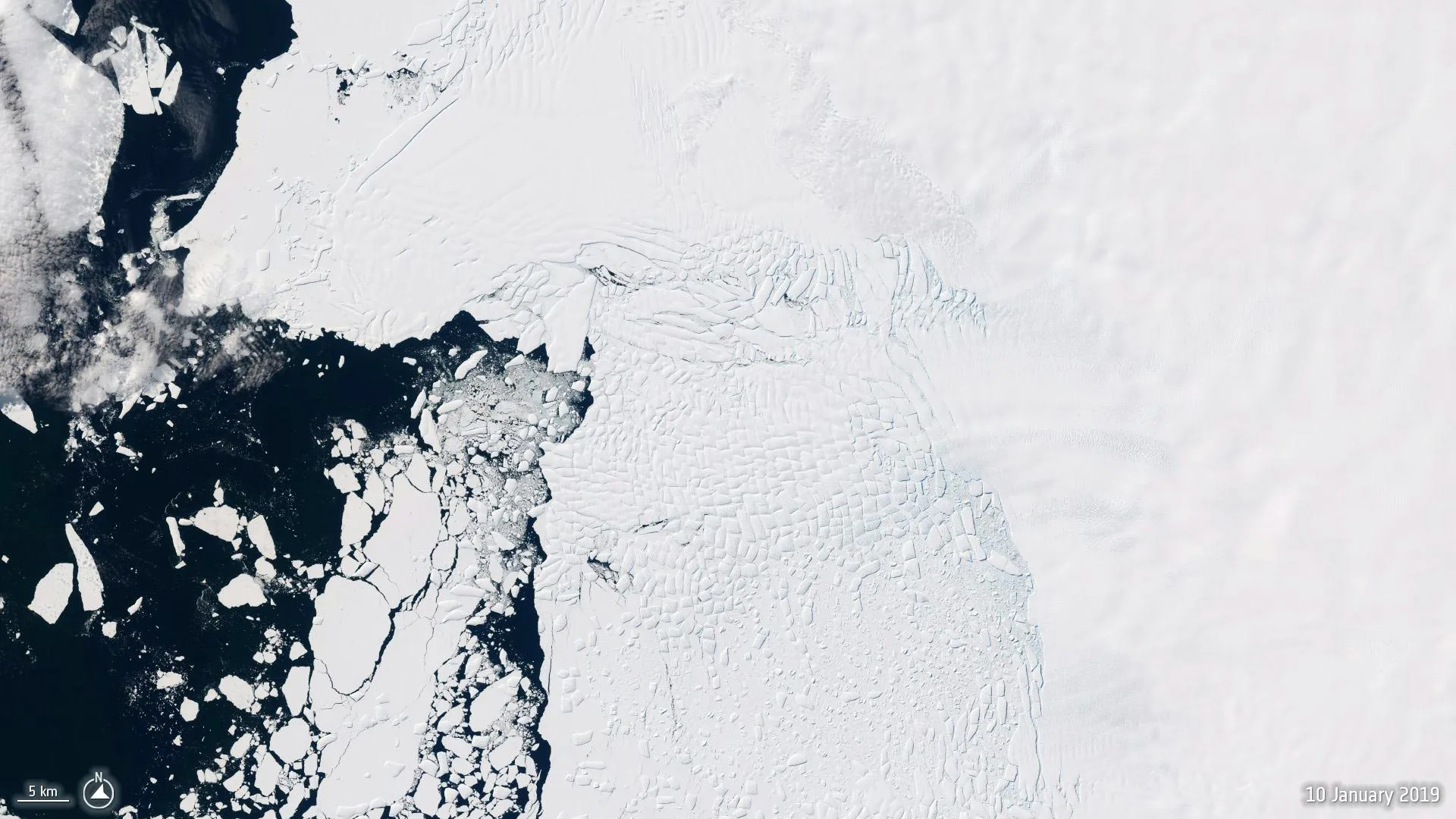
Seismic Activity Intensifies Under Thwaites Glacier, Revealing Ice Dynamics
Hundreds of previously overlooked seismic events have been detected beneath Antarctica, including 245 near Thwaites Glacier's marine edge, many tied to glacial earthquakes triggered when icebergs break off and collide. This surge coincided with Thwaites accelerating toward the ocean, a correlation that sharpens our focus on how shifting ocean conditions destabilize ice. It is a measurable reminder that what happens below the surface dictates what changes above it. For deeper context on these dynamics, our piece on real-time ocean simulations offers a complementary view.
Beyond Area: Measuring True Progress in Ocean Protection.
The percentage of ocean area that is protected tells us less than we hope. Beyond Area: Measuring True Progress in Ocean Protection argues that the real metric is ecological health, not just square mileage. It is a sharp, necessary push for accountability. We agree: validated, peer-reviewed data must replace headline-grabbing designations. Understanding drives protection, but only if we measure what actually thrives. For broader context on how we track ocean systems, see our piece on Arctic Sea Ice Melt Season Stabilizes After Decades of Expansion.
Charting a Course: Exploring Marine Archaeology and Future Careers
The post from a 17-year-old uncertain about marine archaeology arrives at a pivotal moment. The student's instinct to blend a humanities background with ocean science is not a detour; it is a practical fusion. Marine archaeology demands exactly this integration of historical context and technical skill. The fear that AI will replace journalism is valid, but the field of underwater heritage needs human judgment for interpretation. This path is less about picking a side and more about combining strengths.
Oceanographic Expertise: A Valuable Resource for All.
Frederico Brandini has spent decades turning complex oceanography into knowledge anyone can use. His book proves that scientific authority doesn't require jargon, and that accessibility doesn't dilute rigor. Having learned from him directly, I can attest: this is the work of a scientist who values clarity as much as discovery. For anyone curious about the sea, it's a rare entry point. For those tracking how marine data reaches the public, it pairs well with our coverage on integrated subsea cables expanding ocean intelligence.
Measuring the Ocean's Vital Role in Carbon Capture.
The ocean breathes, and in that breath, it pulls carbon from the sky into the deep. NOAA's National Centers for Environmental Information is quantifying that exchange with calibrated, peer-reviewed precision, turning a vast abstraction into measurable climate indicators. We find this work essential because it grounds our understanding of the planet in empirical reality. For those inspired to see how this data becomes accessible, our related piece, "Calibrated ocean intelligence, now within reach through integrated data discovery," offers a practical next step.
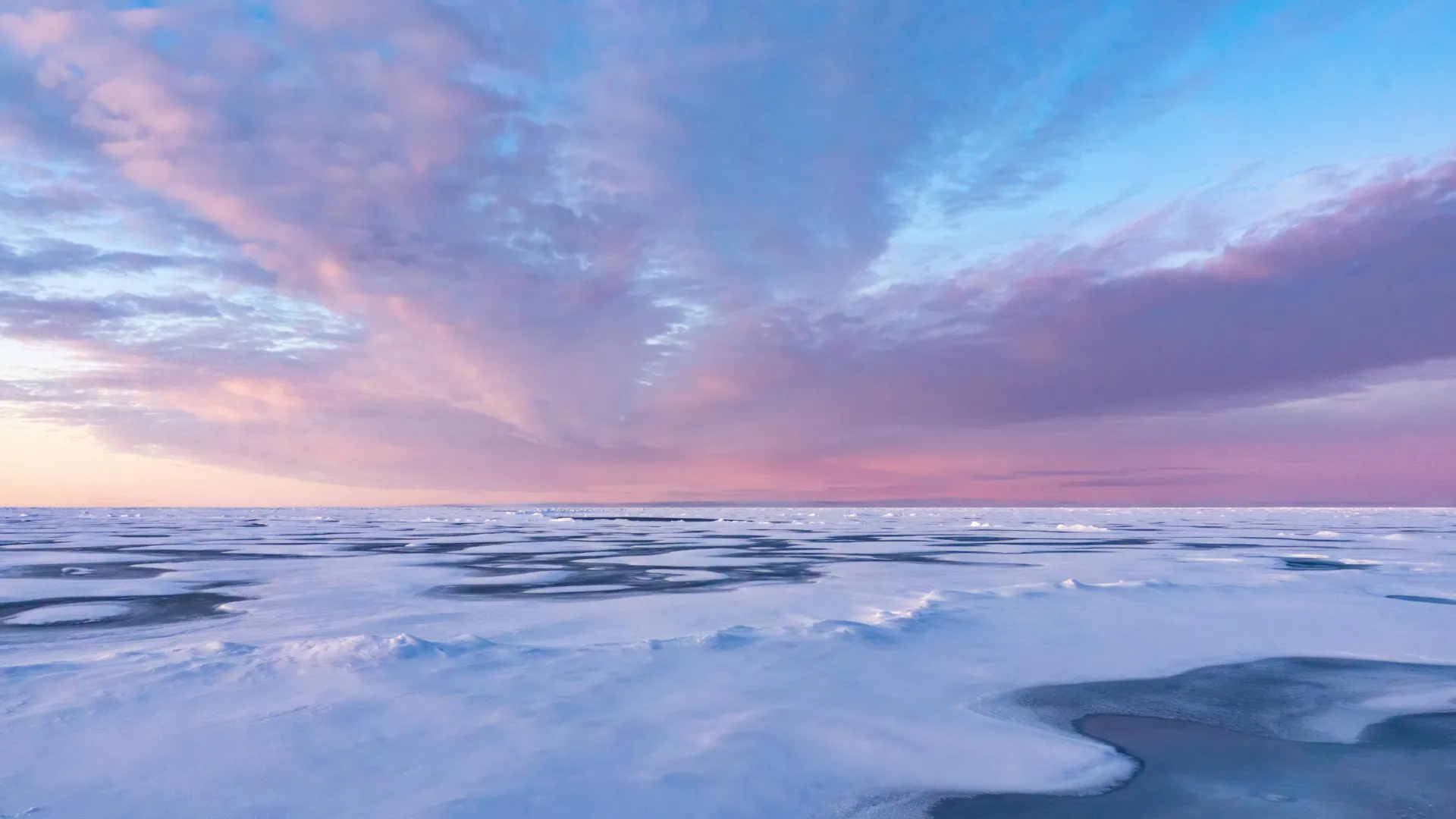
Arctic Ice Edge Creates Unexpected Cloud-Seeding Boost, Climate Models May Need Update
Sunlight meeting melting sea ice is doing more than brightening the Arctic. It is triggering a chemical reaction that multiplies cloud-seeding particles by up to 50 times in a single day. That is a striking jump, and it comes from a region actively expanding as ice retreats. This process deserves serious attention. We should not assume current models capture it. Understanding this mechanism could refine how we project Arctic warming, and that matters for everyone watching the poles.
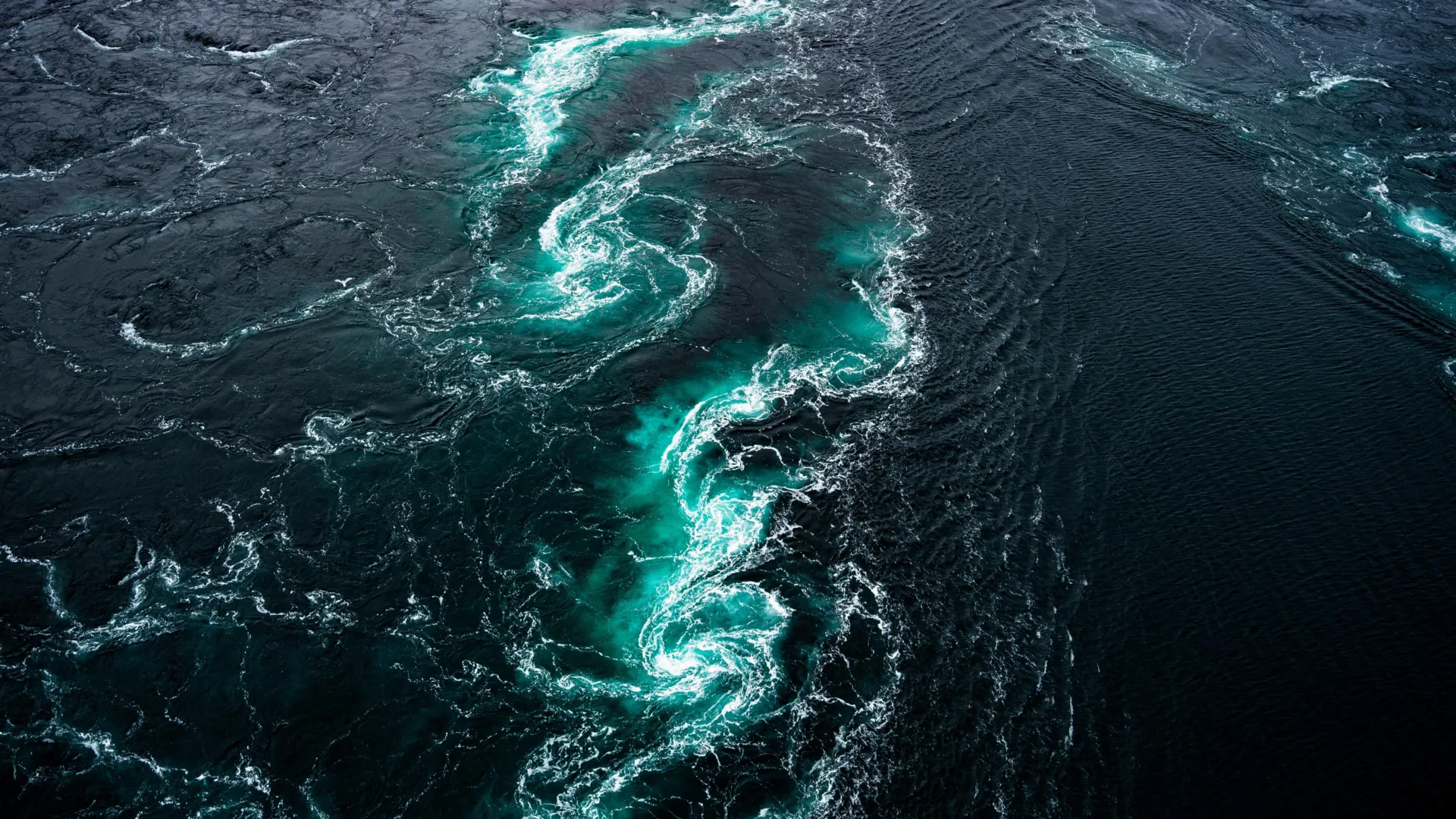
Rapid Warming Threatens Atlantic Circulation’s Stability
The pace of warming may be the deciding factor for the Atlantic Meridional Overturning Circulation. New research indicates that rapid temperature rise, similar to today's trajectory, can push this massive system past a tipping point far earlier than gradual change would allow. The finding reframes our understanding of climate thresholds. For a broader perspective on how we track these shifts, our related piece, "Atlantic Circulation Weakens: Global Climate Reshaping Predicted," offers additional context.

Rare Magnipinna Squid Sighting Highlights Thriving Deep-Sea Ecosystem
A rare Magnipinna squid sighting two days ago by the crew of Nautilus Live offers a compelling glimpse into a thriving deep-sea ecosystem. The dive revealed vibrant corals teeming with life, alongside a chimera and isopods, underscoring the value of sustained ocean observation. Such moments remind us why integrated data systems matter. For further context on how connectivity supports marine research, see our piece on integrated subsea cables enhancing data transmission across the Indian Ocean.
Illuminating the Deep: A Conversation with Ocean Pioneer Dr. Sylvia Earle
Dr. Sylvia Earle has spent a lifetime making the invisible visible, and her latest conversation cuts straight to the heart of why ocean intelligence matters. She speaks with the calm authority of someone who has seen the deep transform, yet her urgency is unmistakable. We admire how she translates complex marine systems into calls for action that feel both personal and collective. For those inspired to explore further, our piece on integrating citizen science for ocean intelligence complements her perspective beautifully.
Ocean Stewardship: A Foundation for Long-Term Human Survival
The deep ocean has already passed the multi-hundred-million-year test, and that is where our focus belongs. Land and space remain fragile, unproven options, while the ocean's stability has quietly outlasted every extinction event. The argument here is not about escape, but about learning to live within a system that has proven its resilience. We should treat the ocean as our primary environment, not a backup plan.