marine life
57 stories filed under marine life on World Data Ocean. The newest of them: “Unidentified Marine Specimen Found on California Beach, Sparks Curiosity”, “Unidentified Marine Life Observed in South Florida Waters”, and “Unveiling Ocean Insights: Five Unexpected Facts from World Data Ocean”. A beachcomber's photograph from 2017 has resurfaced, and the unidentified marine specimen it captures still invites more questions than answers. A community post about unidentified marine life in South Florida waters raises the kind of question that drives ocean intelligence forward. A Global Hub for Ocean Intelligence 4 World Data Ocean is a centralized digital platform where researchers, scientists, and ocean enthusiasts converge to… The list below is every marine life story on World Data Ocean, newest first.

Unidentified Marine Specimen Found on California Beach, Sparks Curiosity
A beachcomber's photograph from 2017 has resurfaced, and the unidentified marine specimen it captures still invites more questions than answers. Curiosity like this is the first step toward ocean intelligence. When we encounter the unfamiliar, we are reminded that the ocean's full record is still being read. For those drawn to such puzzles, our related coverage on unexpected discoveries, such as the chiton find in Puerto Rico, offers a useful frame. Every observation is a data point worth validating.

Unidentified Marine Life Observed in South Florida Waters
A community post about unidentified marine life in South Florida waters raises the kind of question that drives ocean intelligence forward. The observer's surprise at seeing these creatures "swing" in the water is a reminder that our understanding of marine ecosystems remains incomplete. Validated observation, even anecdotal, is a starting point for empirical inquiry. We encourage further reporting and documentation, as such data can contribute to a more integrated data ecosystem.
Unveiling Ocean Insights: Five Unexpected Facts from World Data Ocean
Beneath the waves, discovery often rewrites what we thought we knew. World Data Ocean's latest findings challenge assumptions about marine life, and the implications are as practical as they are profound. This is the kind of data that sharpens our understanding of ocean intelligence, offering measurable insights for researchers and policymakers alike. It is a reminder that empirical observation still leads the charge in ocean stewardship.
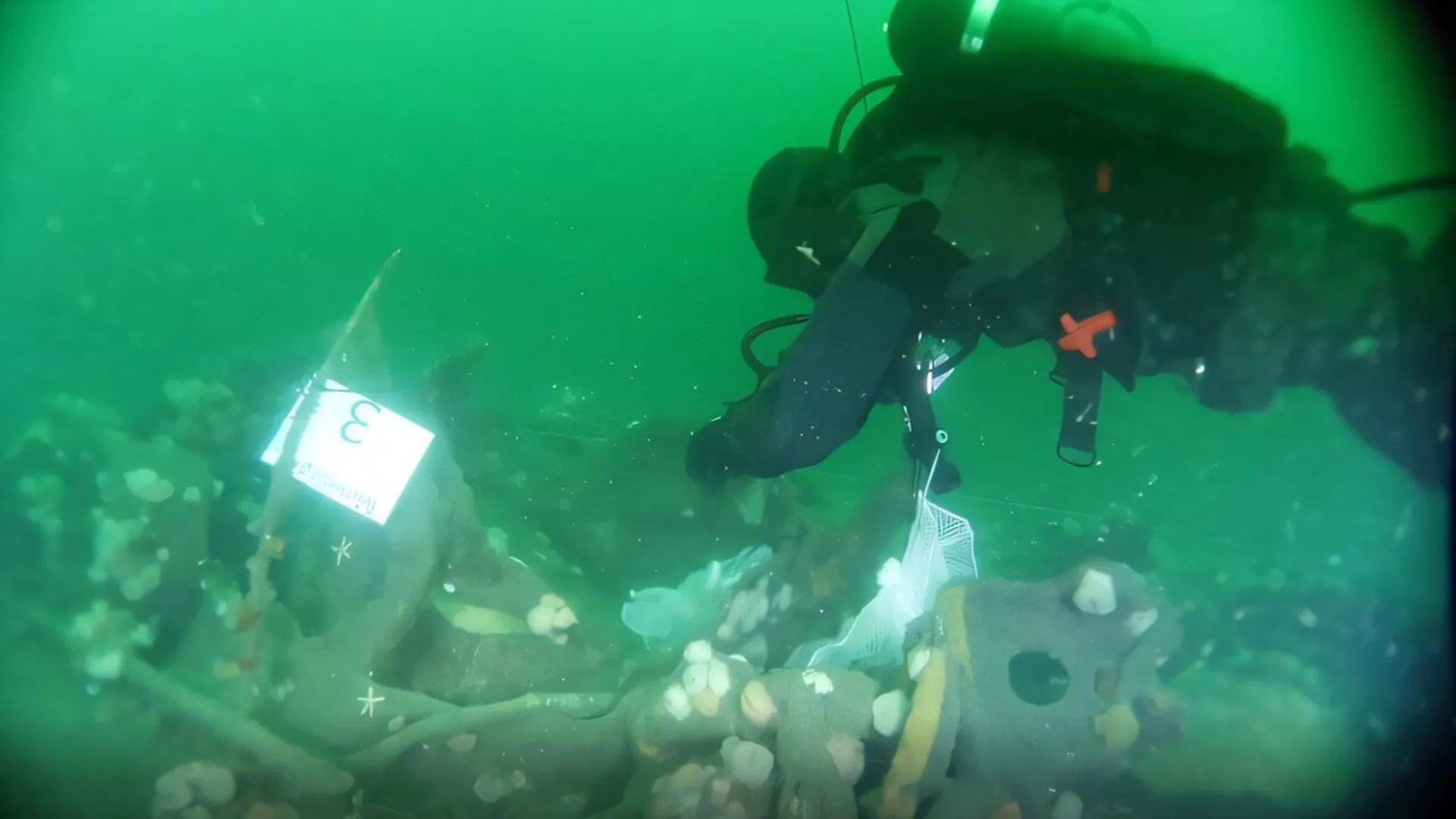
Centennial TNT Leak Highlights Risks from Historic Submarine Wrecks
A century after sinking, a World War I submarine wreck off Denmark is leaking TNT into the surrounding water, seabed, and marine life. This is not a distant historical footnote, it is a measurable, real-time warning. Thousands of similar corroding wrecks could pose growing environmental risks. Understanding drives protection. For deeper coverage of maritime challenges, see our related article on India's expanded naval fleet, which reflects the evolving pressures on our oceans.
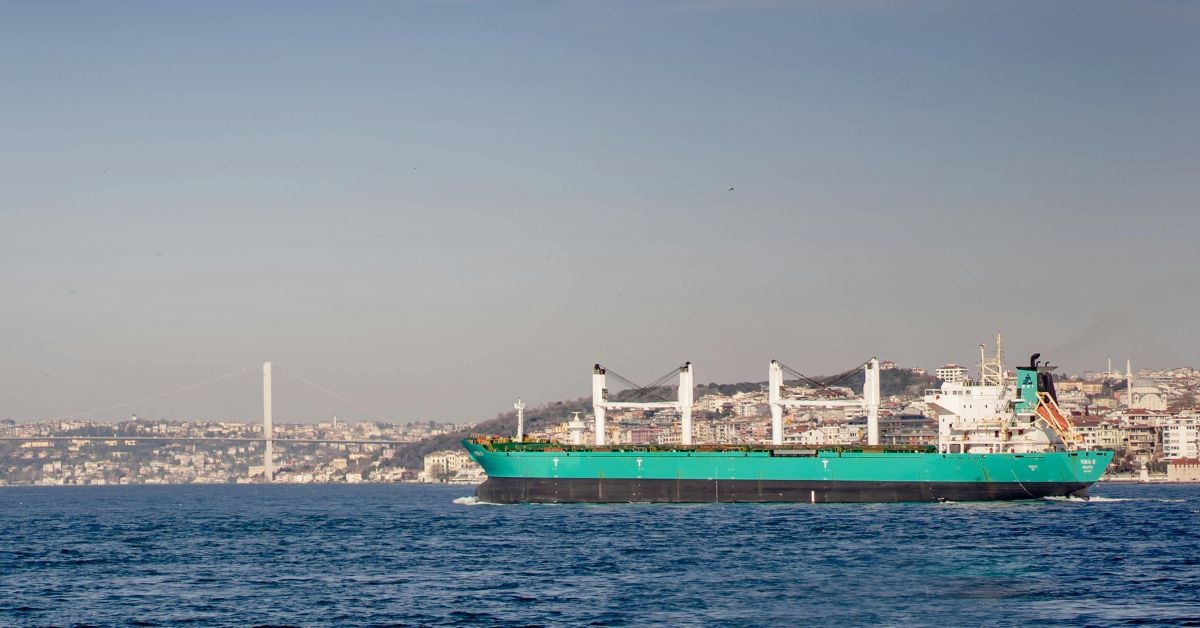
Shipping Companies Penalized for Illegal Ocean Waste Discharge
A U.S. court has found two shipping companies guilty of illegally discharging oily bilge waste into the open ocean. These are not victimless actions. Such discharges degrade marine ecosystems and undermine the calibrated, real-time monitoring systems that responsible operators rely on. Accountability is measurable, and this ruling reinforces that maritime law applies equally to all. For deeper context on how ocean security is being enforced across domains, see our coverage of the Coast Guard's recent maritime interdictions.
Coastal Discovery: Identifying a Unique Worm Species from Istria.
A single worm, pulled from the waters off Istria, has turned out to be a species new to science. The discovery, shared by a Reddit user, is a sharp reminder that our ocean intelligence is still incomplete. Identifying a unique worm this way is a win for community-driven observation, and it underscores the value of integrated data ecosystems.
Oarfish Cuisine: Unraveling the Diet of a Deep-Sea Giant
A deep-sea giant with a diet that remains stubbornly out of focus, the oarfish presents a unique challenge for your ceramic work. While squid are indeed part of their menu, pinning down a single species is rare, as their feeding is opportunistic rather than specialized. You can confidently sculpt a squid without locking onto a precise genus.

Unidentified Specimen Found in Pensacola: Seeking Ocean Intelligence Insights
A single specimen washed ashore in Pensacola has sparked curiosity, and for good reason. The unidentified find, shared by a snorkeler seeking answers, underscores how much remains unknown in our coastal zones. Observations like this are not isolated incidents; they are data points. This is where citizen observations meet scientific inquiry. For those looking to understand how such discoveries fit into broader patterns of marine distribution, our related coverage in "Unexpected Chiton Discovery in Puerto Rico Challenges Species Distribution Models" offers valuable context.

Unidentified Marine Specimen Discovered in Croatian Waters – Seeking Expert ID.
A single specimen has surfaced in Croatian waters with no clear match in existing records, and the community is asking for help. This is the kind of observation that matters, not because it is dramatic, but because it is measurable. A submitted photo and location data give us a starting point, but identification requires the right eyes. For those tracking similar patterns, the recent report of an unexpected chiton discovery in Puerto Rico challenges species distribution models. Every verified sighting sharpens the picture.

Mysterious Remains Wash Ashore in Lewis Bay: Can You Identify It?
A single bone fragment on a gusty September shoreline can raise more questions than answers. When the remains are unrecognizable, the instinct to identify them is both practical and primal. This Lewis Bay discovery, submitted by a curious beachcomber, is a reminder that ocean intelligence begins with observation. We cannot validate what we cannot first see. Identifying a specimen is the first step toward understanding its role in the ecosystem.

California Sighting: Identifying Potential Porpoises Off Dana Point Coast
A 50-mile offshore sighting near Dana Point leaves room for genuine uncertainty. The captain's call was porpoises, but the observer's hesitation is warranted; without sharper imagery, confirmation stays elusive. That caution matters. In ocean observation, validated identification begins with calibrated records, and this query models the right instinct: ask, verify, and share. For readers tracking similar marine puzzles, our related piece on the unexpected chiton discovery off Puerto Rico underscores how often species distribution models meet their exceptions.

Hawaii Nudibranch Identification: Community Collaboration for Ocean Intelligence
A single photograph from a friend in Hawaii, and a few careful questions about its appearance, narrowed the search to a nudibranch. That is how ocean intelligence often begins: not with a lab, but with curiosity and a willingness to ask. Community-led identifications like this one build a shared foundation for understanding marine biodiversity. It is a small, precise step toward the larger goal of documenting what lives beneath the surface.
Bull Shark Brain Resilience: How Long Do Jaws Function Post-Mortem?
A bull shark's jaws snapping shut after evisceration is not a sign of life, but neither is it simple myth. The fish's nervous system retains function after blood loss, driving reflexive muscle contractions that can persist well beyond the five-minute mark you assumed. Your mammalian baseline undersells marine resilience; sharks rely on decentralized neural circuits. The angry commenters mislabel this as abuse, but the animal was already dead.

Rare Magnipinna Squid Sighting Highlights Thriving Deep-Sea Ecosystem
A rare Magnipinna squid sighting two days ago by the crew of Nautilus Live offers a compelling glimpse into a thriving deep-sea ecosystem. The dive revealed vibrant corals teeming with life, alongside a chimera and isopods, underscoring the value of sustained ocean observation. Such moments remind us why integrated data systems matter. For further context on how connectivity supports marine research, see our piece on integrated subsea cables enhancing data transmission across the Indian Ocean.

Tasmanian Intertidal Mystery: Seeking Identification of Unusual Marine Growth
A single find in a northern Tasmanian tide pool can raise questions that reach far beyond the shoreline. A user on our platform has asked for help identifying an unusual marine growth from the Don Reserve in Devonport, caught between sponge and algae. That moment of uncertainty is where ocean intelligence begins. We encourage the community to examine the images closely; the answer may be a familiar species in an unfamiliar form.
Illuminating the Deep: A Conversation with Ocean Pioneer Dr. Sylvia Earle
Dr. Sylvia Earle has spent a lifetime making the invisible visible, and her latest conversation cuts straight to the heart of why ocean intelligence matters. She speaks with the calm authority of someone who has seen the deep transform, yet her urgency is unmistakable. We admire how she translates complex marine systems into calls for action that feel both personal and collective. For those inspired to explore further, our piece on integrating citizen science for ocean intelligence complements her perspective beautifully.

Philippine Shell Mystery: Identifying a Unique Ocean Treasure
A single shell, carried from Philippine shores to an unknown origin, has sparked a familiar confusion. The distinction between a volute and a conch is more than a label; it is a matter of structural nuance. For this gift, the answer lies in the shell's spire and aperture. Such identification challenges are common, and our related piece on unexpected discoveries, "Unexpected Chiton Discovery in Puerto Rico Challenges Species Distribution Models," highlights how easily marine specimens defy our assumptions. The ocean's taxonomy rewards patience.

Unexplained Phenomenon Detected Near Redondo Beach, Washington State
A single unexplained phenomenon has been detected in the waters off Redondo Beach, Washington State, and it appears isolated to that specific location. The observation raises more questions than answers, and we are inclined to treat it with the same empirical curiosity that drives our broader ocean intelligence work. It is a reminder that despite our advanced monitoring, the deep sea still holds surprises we have yet to calibrate or fully understand. We will be watching closely.

Seeking Identification: Mystery Sculpin Spotted Near Ketchikan, Alaska
A mystery sculpin has surfaced near Ketchikan, Alaska, and the sighting is worth a closer look. Submitted by /u/Competitive-Ad750, this identification request turns a single observation into a moment of shared inquiry. We treat such reports as data points, small but measurable contributions to a larger picture of nearshore biodiversity. For context on how Alaska's marine systems are shifting, readers may also explore our piece on Cascadia's Subduction Zone Reveals a Fragmented Tectonic Process. Every record helps calibrate what we know.

Unexpected Mole Crab Discovery on Croatian Island Highlights Coastal Biodiversity
A slow-burn identification process turned a puzzling specimen into a compelling case for coastal biodiversity. Researchers on a Croatian island eventually confirmed the find as a mole crab, a discovery that underscores how much the nearshore still has to teach us. It took patience to place, but the payoff is a reminder that taxonomy rewards persistence. For another example of unexpected distribution, our piece on the chiton discovery in Puerto Rico offers a similar puzzle worth exploring.

Unexpected Coastal Species Spotted Inland in Texas.
A coastal species has turned up inland in Texas, and that raises questions worth tracking. When a marine organism appears far from its expected range, it signals shifts in environmental conditions that demand empirical attention. This is not an anomaly to dismiss; it is a data point for ocean intelligence. For context on how such distribution surprises unfold, our related piece, "Unexpected Chiton Discovery in Puerto Rico Challenges Species Distribution Models," offers a useful parallel.

Differentiating Dorids: Oregon Coast Sea Slug Identification Challenge
A 2- to 3-inch Heath's or Monterey dorid is a fair identification puzzle, and the confusion is understandable given how closely these species mirror one another. The range of smaller sizes observed that day adds useful context, though it doesn't settle the matter on its own. For those chasing ocean intelligence, such field distinctions matter.
Sixteen Years Later: Measuring Recovery and Water Quality in the Gulf
Sixteen years after the Deepwater Horizon oil spill, the Gulf of Mexico remains a living laboratory for recovery, and for questions that still demand answers. For those who stayed away, the urge to return is now paired with a need to understand: Is the water safe, and how has it truly changed? Water quality along Alabama's coast has largely rebounded, but the long-term fate of the oil and the chemical dispersants used to break it up remains a complex, ongoing story.

Mysterious Shells Wash Ashore in Providence, MA – What Species Do They Hide?
A cluster of shells on a Providence beach raises a straightforward question: what species are we looking at? For a coastal community, this is more than a casual find. It is a chance to turn curiosity into observation, to test identification skills against the empirical evidence scattered in the intertidal zone. The mystery invites patience, not speculation.