LNG carrier
World Data Ocean keeps LNG carrier in one place: 7 stories so far. The section currently leads with “Injured crew evacuated after fire erupts aboard tanker in Strait of Hormuz”, “Validating Onboard Emissions Data: A Trial for LNG Shipping.”, and “Advancing LNG Shipping: Hybrid Designs for Enhanced Efficiency and Sustainability”. A fire and an attack on a tanker in the Strait of Hormuz injured 12 of its 19 crew members, prompting an evacuation confirmed by Oman's Ministry of Defence. A new LNG carrier will soon test whether continuous emissions monitoring systems can match established data standards. A Global Hub for Ocean Intelligence 4 World Data Ocean is a centralized digital platform where researchers, scientists, and ocean enthusiasts converge to… The list below is every LNG carrier story on World Data Ocean, newest first.
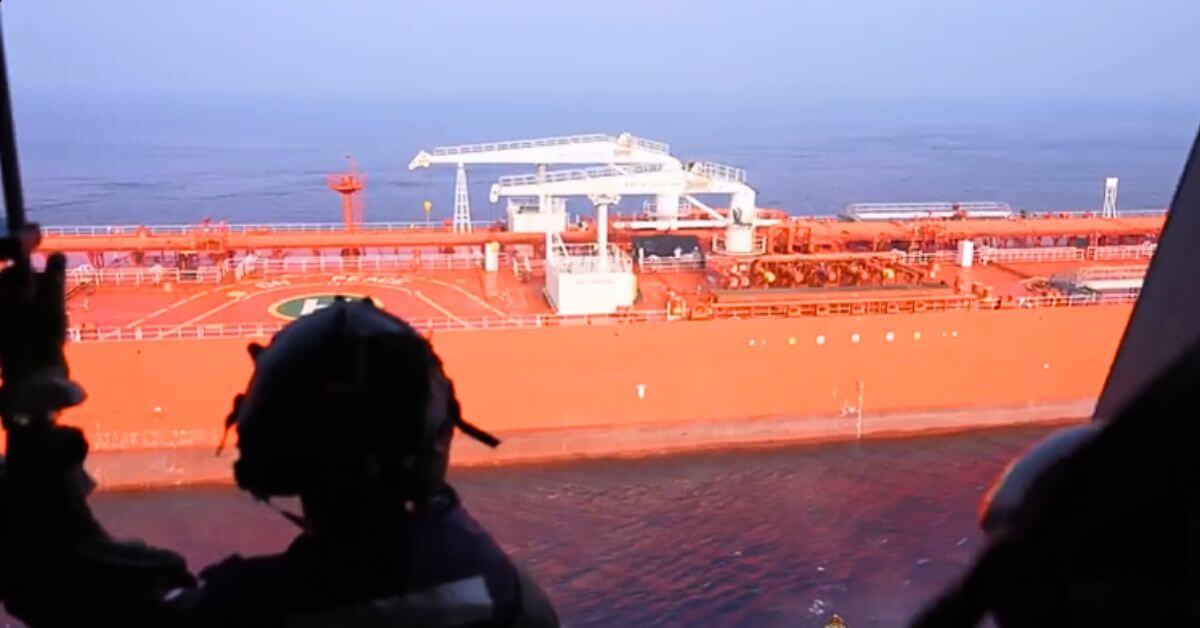
Injured crew evacuated after fire erupts aboard tanker in Strait of Hormuz
A fire and an attack on a tanker in the Strait of Hormuz injured 12 of its 19 crew members, prompting an evacuation confirmed by Oman's Ministry of Defence. This is not an isolated incident. The same volatile waters that demand calibrated maritime security now test the resilience of global trade routes. For deeper context on regional diplomatic efforts, see our coverage of "India Proposes Measured Maritime Truce to Protect Black Sea Shipping."
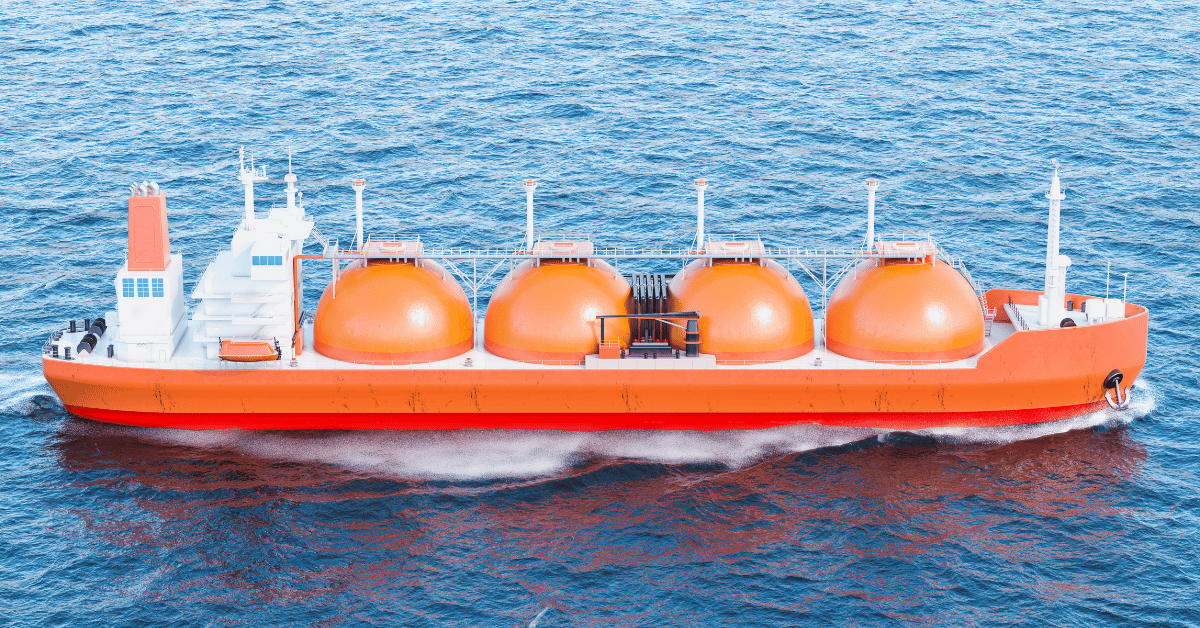
Validating Onboard Emissions Data: A Trial for LNG Shipping.
A new LNG carrier will soon test whether continuous emissions monitoring systems can match established data standards. Lloyd's Register, Seapeak, Kongsberg Maritime, and Tunable are collaborating on a trial that compares direct CO₂ measurements against conventional methodologies. This is the kind of validation the industry needs: empirical, peer-reviewed, and tied to real operational conditions. Precision here matters, and we're encouraged to see stakeholders move beyond assumptions toward calibrated, real-time evidence.
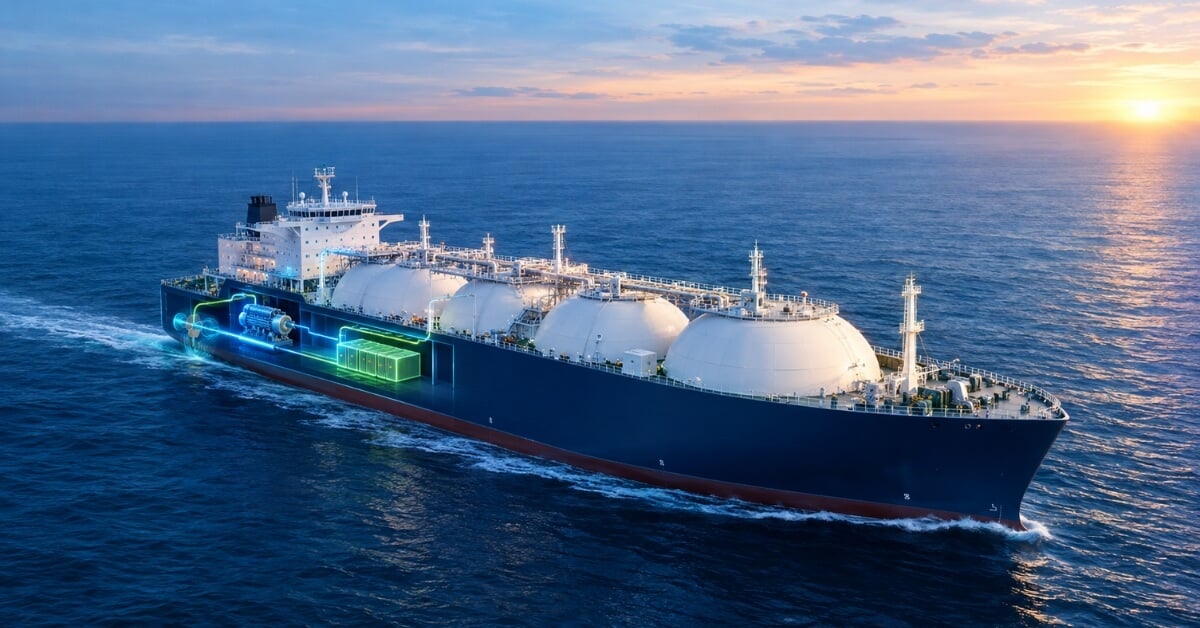
Advancing LNG Shipping: Hybrid Designs for Enhanced Efficiency and Sustainability
Hybrid electric propulsion is moving LNG carriers beyond incremental gains. Lloyd's Register, with HD KSOE and HD Hyundai Heavy Industries, is targeting a new generation of designs where efficiency and sustainability converge. This collaboration treats vessel architecture as an integrated system, not a sum of parts. For those tracking how maritime innovation addresses climate indicators, this is a measured, empirical step forward.

Wind-Assisted LNG Carrier Sets Sail for Enhanced Efficiency.
A wind-assisted LNG carrier is set to deliver under a long-term charter to Chevron by September 2026, marking a practical step toward measurable fuel efficiency. This is not a theoretical exercise, it is an integrated, real-world application of technology that reduces emissions while maintaining operational reliability. Such innovations matter. For deeper context on maritime risks, see our coverage of the drone strike impacting an LPG tanker near the Strait of Hormuz.
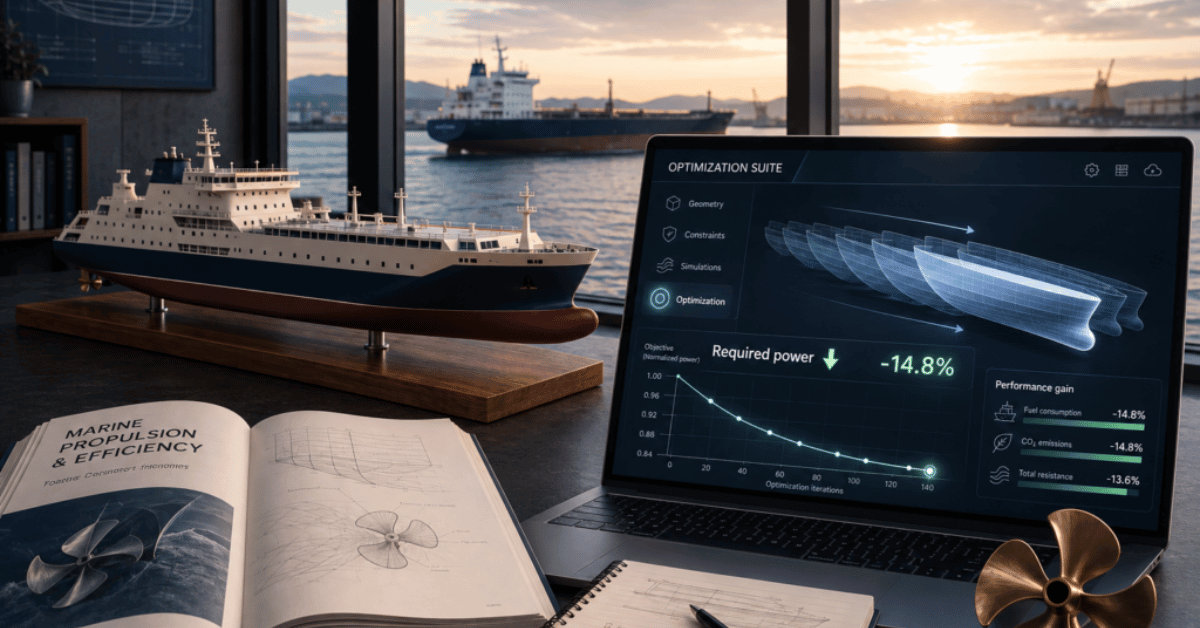
Optimized Ship Design: Numerical Tools Accelerate Sustainable Vessel Development
Numerical optimisation is reshaping how vessels are designed, and Deltamarin's expanded toolbox reflects that shift. By integrating simulation-driven methods into early-stage development, the company is targeting measurable efficiency gains rather than relying on incremental tweaks. It is a practical step toward lower emissions, grounded in engineering rigour. For broader context on how shipyards are strengthening design capabilities, our recent piece on Cochin Shipyard's stake in Conoship offers a useful parallel. The push for sustainable shipping is becoming a design discipline, not just a regulatory one.
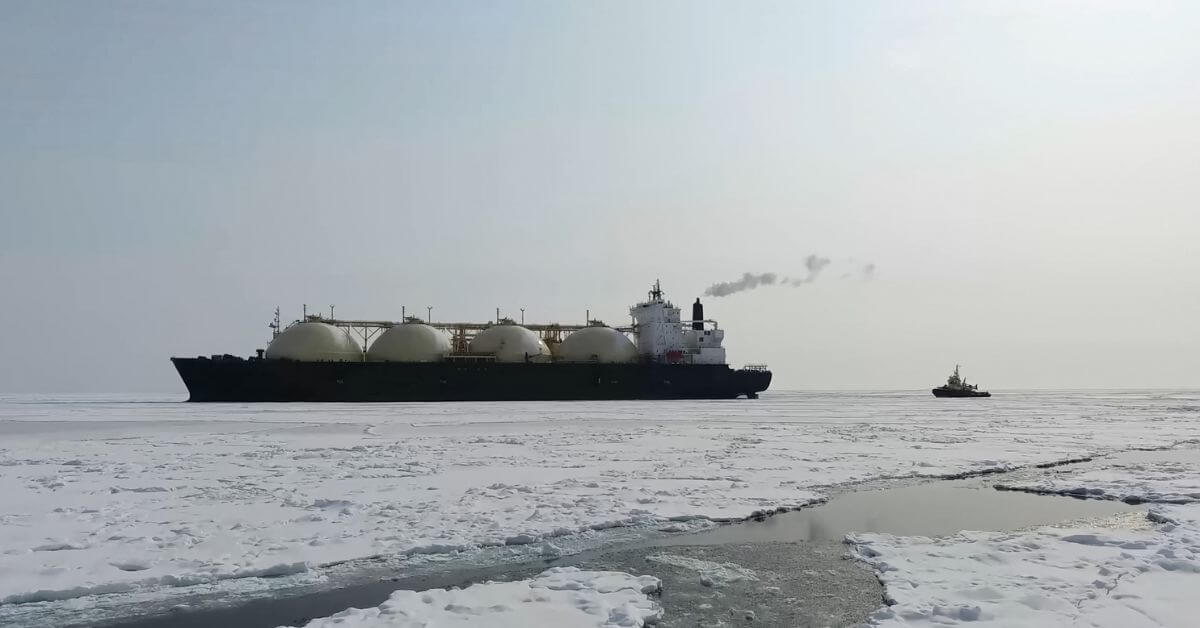
Arctic LNG 2 Capacity Expands with New Ice-Class Carrier Fleet.
The Arctic's harshest routes just became more navigable. A Russian-built, advanced ice-class LNG carrier has joined the fleet serving Arctic LNG 2, enabling year-round operations in waters that once dictated seasonal limits. This is practical ocean intelligence: the capacity to move gas reliably through extreme conditions strengthens the entire maritime energy chain. For readers tracking parallel shifts in global shipping, our coverage of Paradip Port's new mega port status offers another example of infrastructure evolving to meet demand.

Escorted LNG Transit Highlights Arctic Shipping and Geopolitical Shifts
The Northern Sea Route is no longer a theoretical exercise in Arctic logistics. The Russian frigate Admiral Kasatonov's escort of the LNG carrier Portovyy, fresh from Gazprom's Portovaya plant, is a concrete demonstration of how energy transit and naval power now move in lockstep. This is not alarmism; it is the calibrated reality of a changing map. The escort signals that Arctic shipping lanes are becoming strategic chokepoints, not just weather-dependent shortcuts.