lithium-ion batteries
lithium-ion batteries at World Data Ocean is a file of 5 stories. The newest of them: “Keel laid for second U212NFS submarine, advancing naval ocean intelligence”, “A validated milestone for zero-emission shipping: hydrogen tanker completes sea trials”, and “Analyzing Marine Casualties: Insights for Safer Seas from NTSB’s Digest”. A keel laid at Muggiano, where over a hundred submarines have taken shape, marks another calibrated step toward integrated naval ocean intelligence. A 4,800 DWT hydrogen tanker has completed sea trials, validating a zero-emission configuration with a four-stroke hydrogen engine. A Global Hub for Ocean Intelligence 4 World Data Ocean is a centralized digital platform where researchers, scientists, and ocean enthusiasts converge to… The list below is every lithium-ion batteries story on World Data Ocean, newest first.
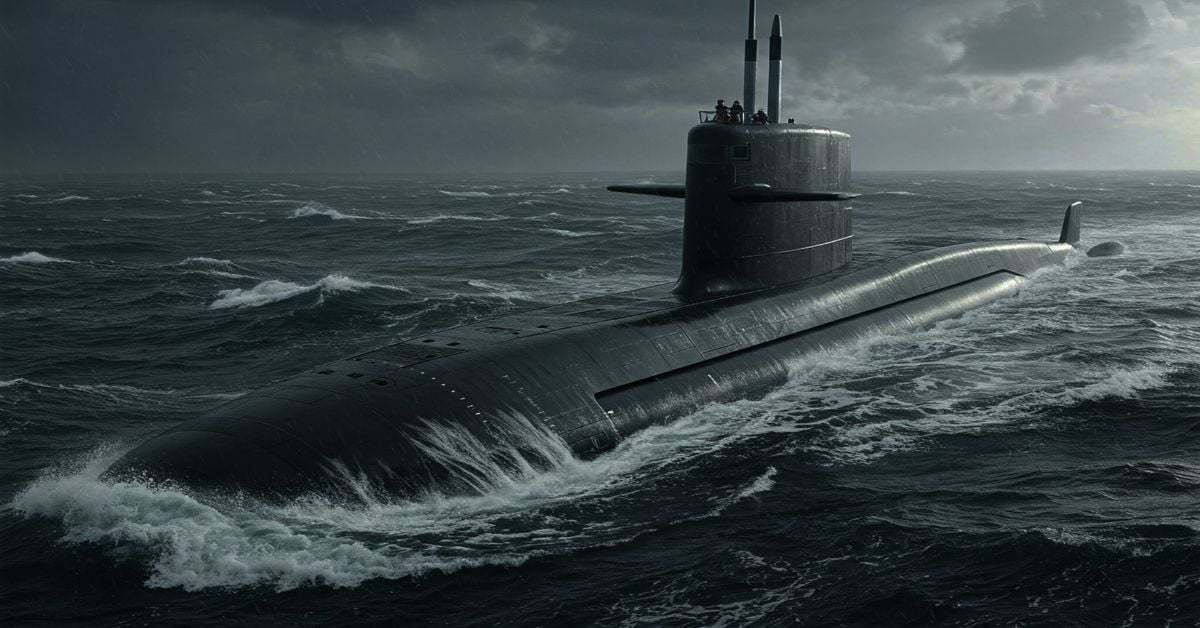
Keel laid for second U212NFS submarine, advancing naval ocean intelligence
A keel laid at Muggiano, where over a hundred submarines have taken shape, marks another calibrated step toward integrated naval ocean intelligence. The second U212NFS submarine advances capabilities built on validated, measurable design principles. This platform will collect real-time climate indicators and empirical data from beneath the surface, strengthening the integrated data ecosystem that connects undersea operations with broader ocean stewardship. Understanding drives protection, from orbit to ocean floor.
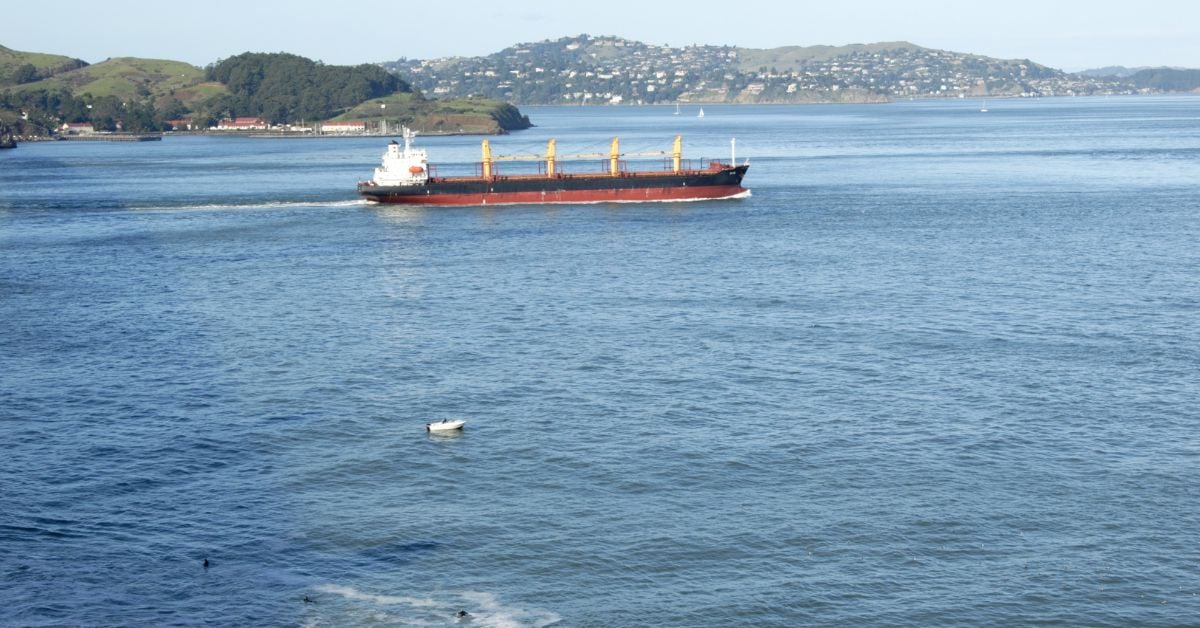
A validated milestone for zero-emission shipping: hydrogen tanker completes sea trials
A 4,800 DWT hydrogen tanker has completed sea trials, validating a zero-emission configuration with a four-stroke hydrogen engine. This is a measured, empirical step toward decarbonizing maritime transport. The Kikou Maru proves that integrated clean-fuel systems can perform under real-world conditions. For deeper context on how shifting maritime routes are reshaping global trade, see our related coverage, "Geopolitical shocks reshape shipping routes with measurable regional divergence."
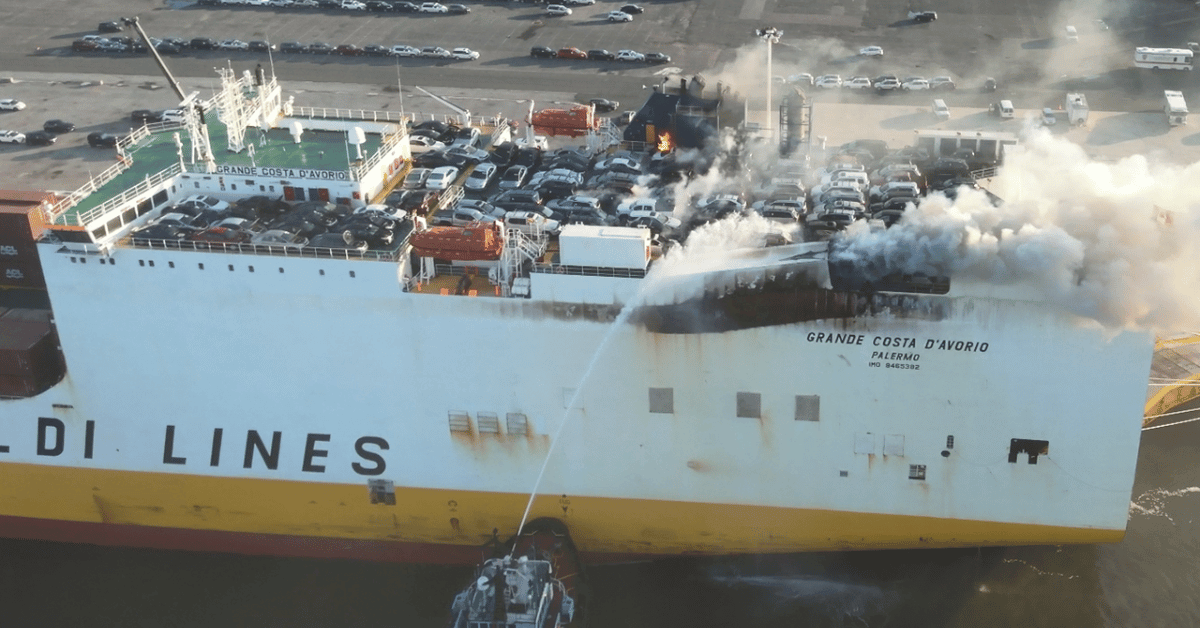
Analyzing Marine Casualties: Insights for Safer Seas from NTSB’s Digest
Every maritime casualty carries a lesson, and the NTSB's 2025 Safer Seas Digest turns those lessons into actionable foresight. Reviewing 49 incidents, the report connects human error, mechanical failure, and systemic gaps with clear prevention strategies. It is the kind of empirical, peer-reviewed analysis that moves the industry from reaction to readiness. Distraction, as seen in the Houston Ship Channel collision, remains a recurring theme. For readers tracking battery transport risks, our piece on rising lithium-ion shipments complements this digest's safety focus.
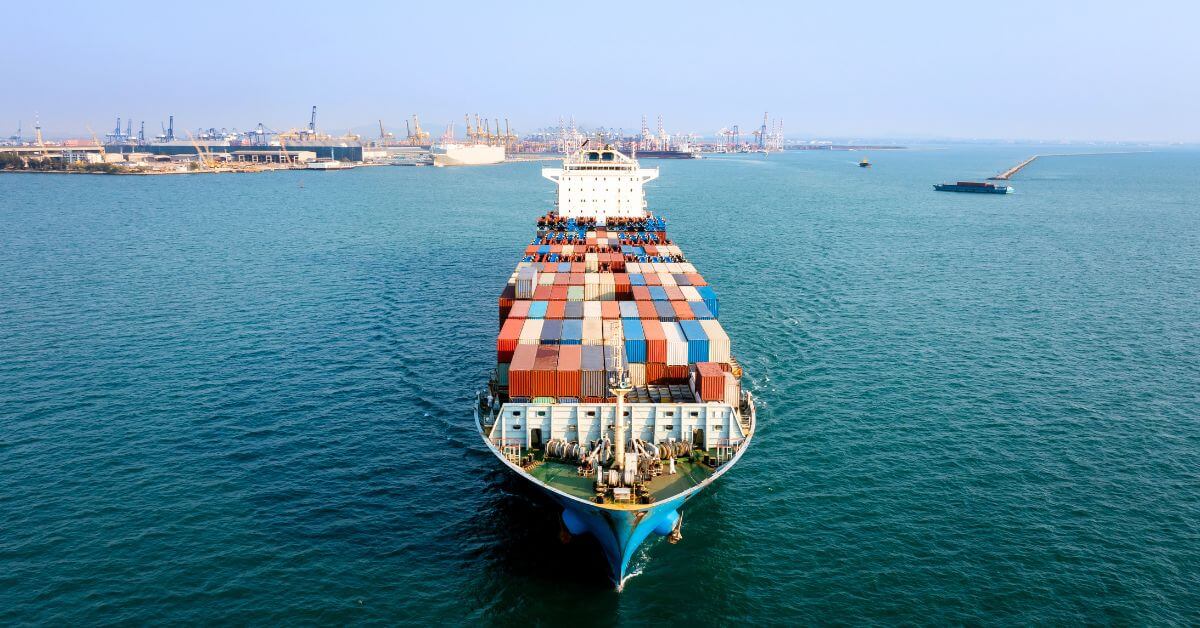
Rising Battery Shipments Demand Enhanced Safety Protocols.
Global lithium-ion battery deployments in 2025 reached six times the volume of 2020, a validated surge that demands calibrated safety protocols. This rapid scaling of energy storage is measurable progress, but it also introduces new risks we must address with the same empirical rigor that drives ocean intelligence. Understanding drives protection. For deeper context on maritime safety, our analysis of the NTSB's 2025 Safer Seas Digest offers peer-reviewed lessons from recent casualties.

Argentina Awaits: World’s Largest Electric Ferry Embarks on Transoceanic Journey
The world's largest battery-electric ferry, the China Zorrilla, is now crossing the ocean atop the heavy lift ship Black Marlin, bound for Argentina. This transoceanic voyage marks a practical step in maritime decarbonization, moving clean propulsion from concept to global deployment. The logistics are as demanding as the engineering itself. For those tracking maritime safety and operational shifts, our analysis of the NTSB's Safer Seas Digest offers useful context.