fuel consumption
fuel consumption at World Data Ocean is a file of 6 stories. The newest of them: “Validated efficiency: battery-first vessel design cuts offshore wind OPEX”, “Optimizing Autonomous Shipping: Data-Driven Navigation for Efficiency and Sustainability”, and “Wind-Assisted LNG Carrier Sets Sail for Enhanced Efficiency.”. A battery-first vessel design that keeps gen-sets running at a consistent, efficient load offers offshore wind a measurable path to lower OPEX. Autonomous shipping promises safer, cleaner seas, but only if navigation systems stop treating the ocean as an obstacle course. A Global Hub for Ocean Intelligence 4 World Data Ocean is a centralized digital platform where researchers, scientists, and ocean enthusiasts converge to… The list below is every fuel consumption story on World Data Ocean, newest first.
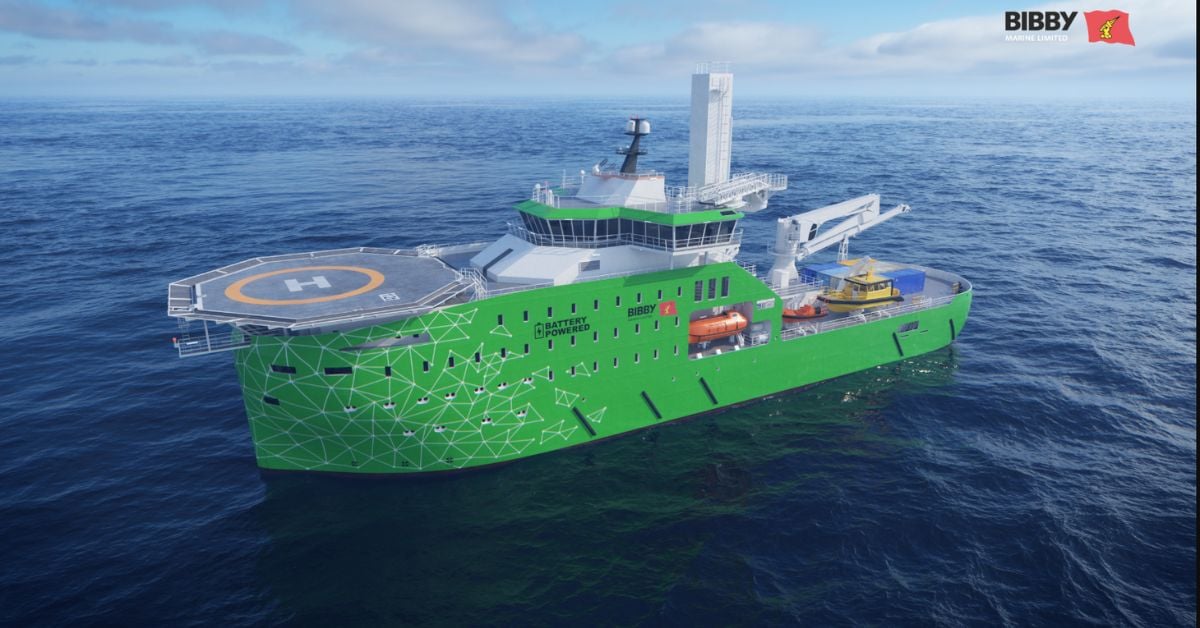
Validated efficiency: battery-first vessel design cuts offshore wind OPEX
A battery-first vessel design that keeps gen-sets running at a consistent, efficient load offers offshore wind a measurable path to lower OPEX. The approach validates what we know: integrated energy systems, not isolated upgrades, deliver real gains. It is a practical, empirical step forward. For deeper insight into hybrid propulsion's potential, see our coverage of the "Hydrogen-Hybrid Propulsion Validates 24% Fuel Reduction on Transoceanic Voyage."

Optimizing Autonomous Shipping: Data-Driven Navigation for Efficiency and Sustainability
Autonomous shipping promises safer, cleaner seas, but only if navigation systems stop treating the ocean as an obstacle course. Our new Social-Cognitive Navigation Framework (SCNF) tackles this head-on, using historical AIS data and recursive reasoning to cut unnecessary maneuvers while keeping collision rates at zero in trials. It is not just about avoiding the other vessel; it is about reducing disturbance and operational demand. For broader maritime context, our coverage of the Kiwi Frigate's sanctions monitoring shows how data-driven awareness is reshaping naval operations.

Wind-Assisted LNG Carrier Sets Sail for Enhanced Efficiency.
A wind-assisted LNG carrier is set to deliver under a long-term charter to Chevron by September 2026, marking a practical step toward measurable fuel efficiency. This is not a theoretical exercise, it is an integrated, real-world application of technology that reduces emissions while maintaining operational reliability. Such innovations matter. For deeper context on maritime risks, see our coverage of the drone strike impacting an LPG tanker near the Strait of Hormuz.
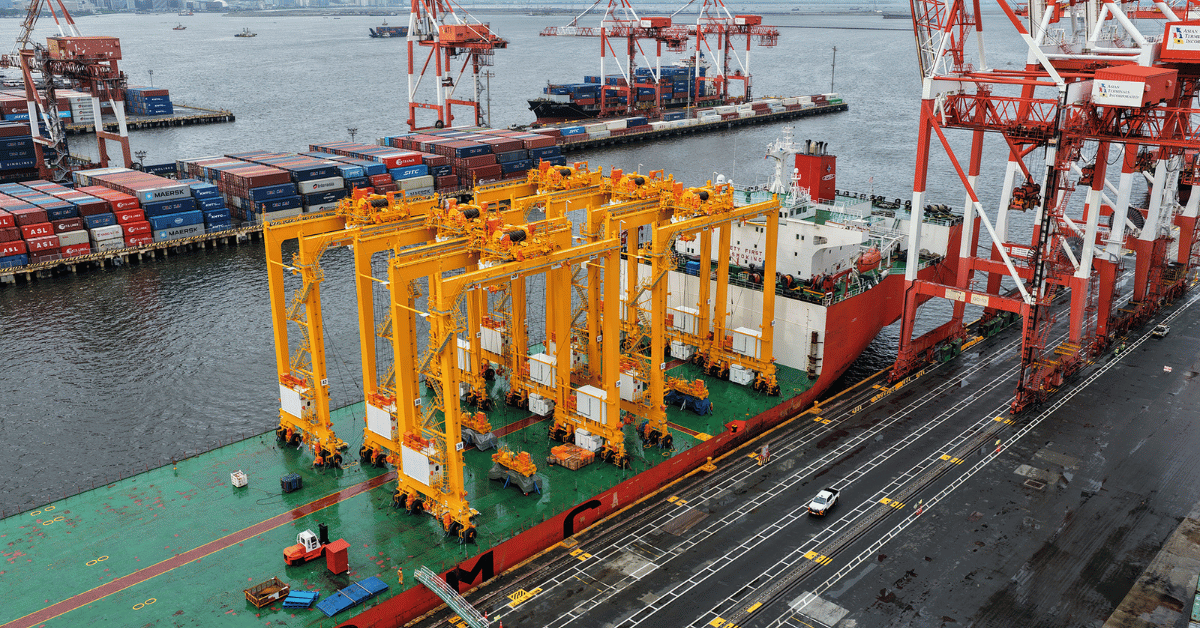
Boosting Manila's Port Capacity with Hybrid, Low-Emission Cranes
Manila South Harbour's new hybrid RTG cranes represent a calibrated step toward measurable decarbonisation in port operations. DP World and Asian Terminals have commissioned six low-emission units that boost capacity and safety without sacrificing operational integrity. This is empirical progress, integrated infrastructure that reduces emissions while strengthening throughput. For broader context on global port modernisation, our coverage of Paradip Port's designation as a Mega Port offers a parallel example of strategic maritime growth. Understanding drives protection, and these cranes deliver both.

AI-Powered Vessel Design Integrates Ocean Data for Enhanced Efficiency
At SMM 2026 in Hamburg, Shanghai Merchant Ship Design, CMA CGM, and Bureau Veritas signed a contract to integrate ocean data directly into vessel design. This is not a small step; it is a calibrated move toward measurable efficiency. Pairing validated, real-time climate indicators with empirical engineering gives the industry a clearer path forward. For readers tracking maritime logistics, our coverage of the Strait of Hormuz shipping lane dispute offers useful context on why such efficiency matters now.
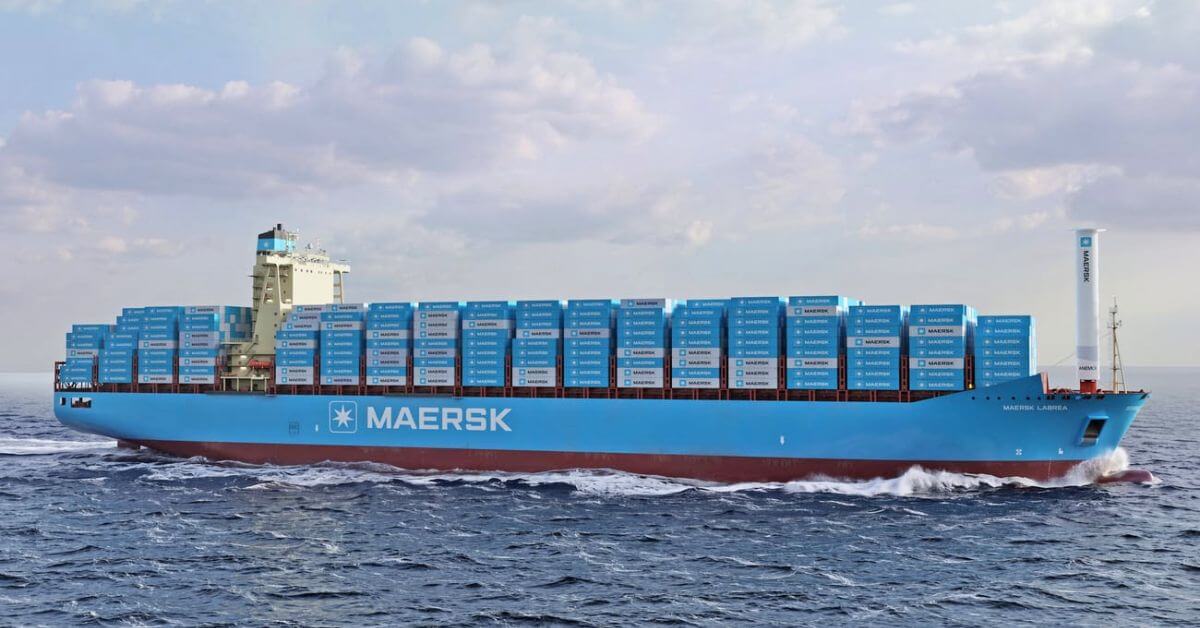
Data-Driven Wind Propulsion: Maersk Integrates Rotor Sail Technology
Anemoi has already fitted its Rotor Sail technology across bulk carriers, and now Maersk is integrating that same system into its fleet. The move signals a practical step toward measurable fuel efficiency, not a gesture. Wind propulsion is no longer a concept study; it is operational hardware earning its place beside conventional power. For readers tracking maritime risk and resilience, our coverage of the drone strike near the Strait of Hormuz shows how quickly operational realities shift.