exports
World Data Ocean keeps exports in one place: 10 stories so far. The section currently leads with “Vitol Acquires Substantial Iraqi Crude Volume Amid Price Discrepancies”, “U.S. Ports See Continued Strength with 1.88M TEUs Moved in August”, and “Arctic LNG 2 Capacity Expands with New Ice-Class Carrier Fleet.”. Vitol's move to secure 25 to 30 million barrels of discounted Iraqi crude this month signals a sharp reading of market imbalances, and it's a calculated bet worth watching. August's throughput of 1.88 million TEUs marks a 2% gain over last year, landing the port its fifth-busiest month in 115 years. A Global Hub for Ocean Intelligence 4 World Data Ocean is a centralized digital platform where researchers, scientists, and ocean enthusiasts converge to… The list below is every exports story on World Data Ocean, newest first.
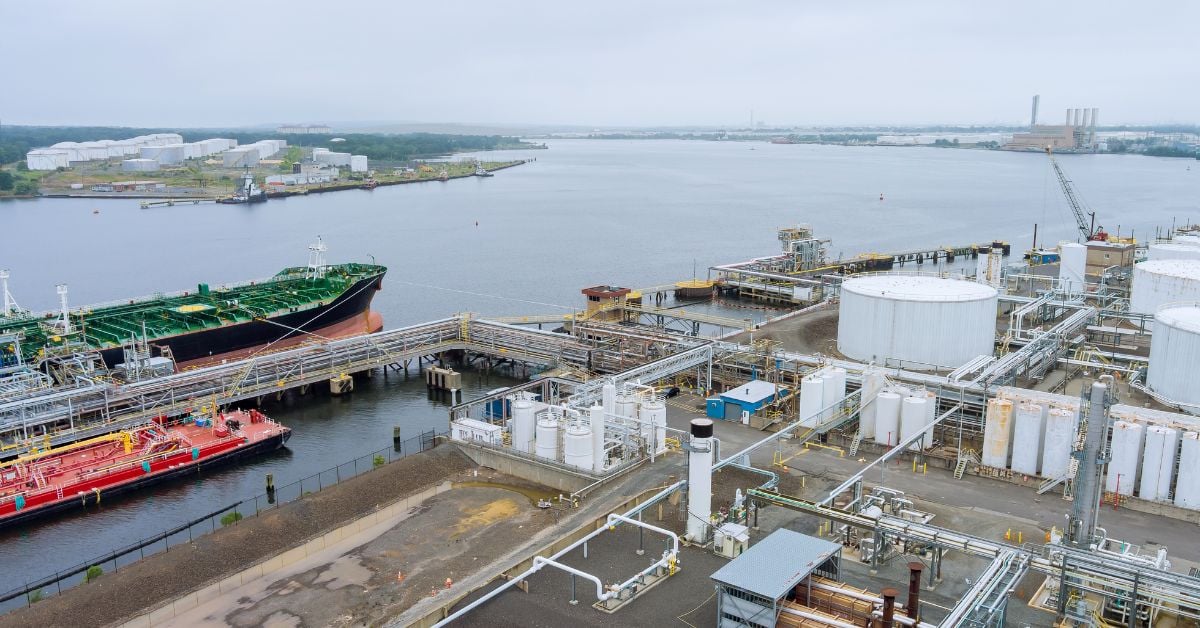
Vitol Acquires Substantial Iraqi Crude Volume Amid Price Discrepancies
Vitol's move to secure 25 to 30 million barrels of discounted Iraqi crude this month signals a sharp reading of market imbalances, and it's a calculated bet worth watching. Price discrepancies like these reward those who can move swiftly, and Vitol is leveraging its scale to lock in margin where others might hesitate. This kind of volume isn't opportunistic noise; it's a deliberate positioning play.
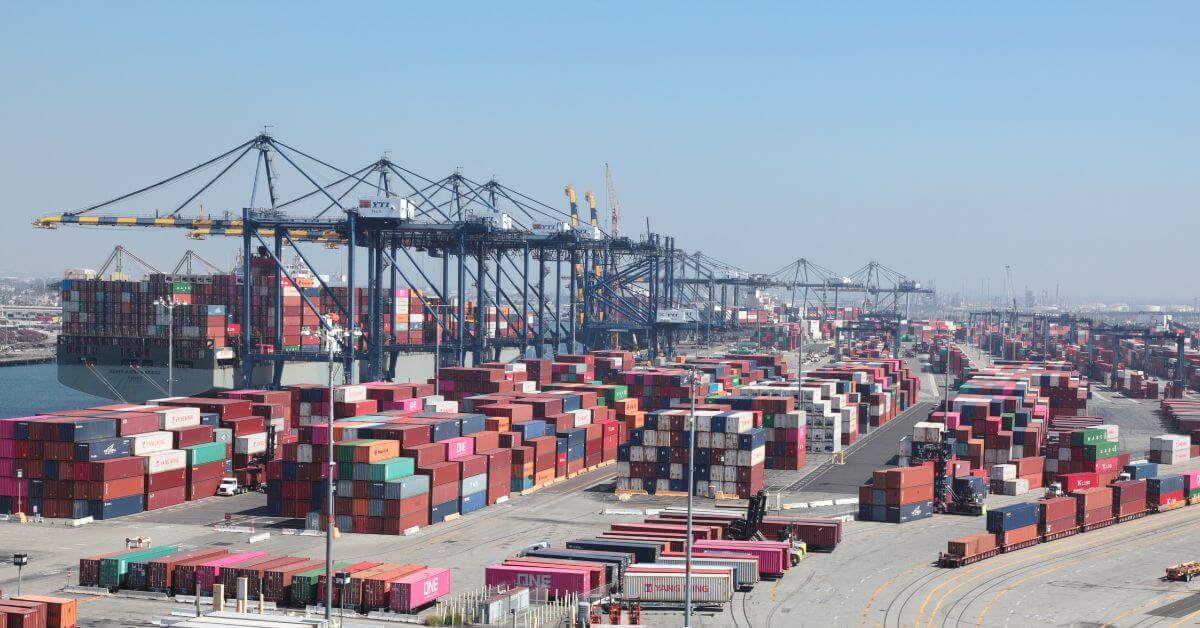
U.S. Ports See Continued Strength with 1.88M TEUs Moved in August
August's throughput of 1.88 million TEUs marks a 2% gain over last year, landing the port its fifth-busiest month in 115 years. Consistency like this signals more than resilience; it reflects a data-driven logistics ecosystem operating at scale. Sustained volume at this level supports broader ocean intelligence efforts, from cargo tracking to climate monitoring. For context on how maritime security intersects with these operations, our coverage of Maritime Interdictions Yield 25,000 Pounds of Cocaine underscores the layered realities of ocean stewardship.
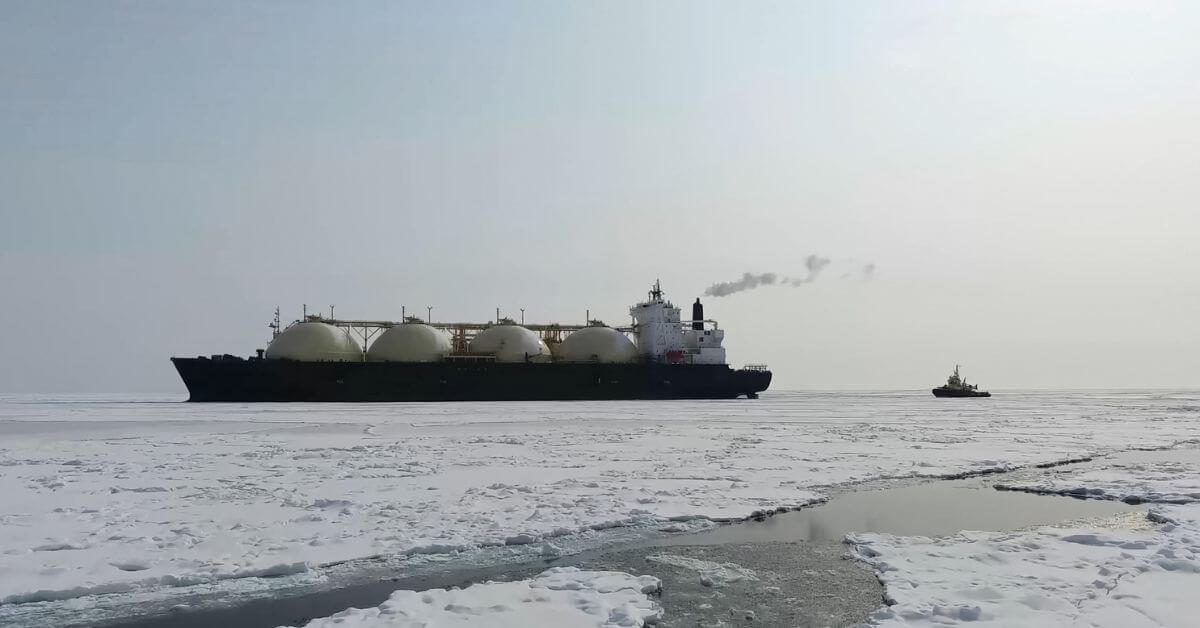
Arctic LNG 2 Capacity Expands with New Ice-Class Carrier Fleet.
The Arctic's harshest routes just became more navigable. A Russian-built, advanced ice-class LNG carrier has joined the fleet serving Arctic LNG 2, enabling year-round operations in waters that once dictated seasonal limits. This is practical ocean intelligence: the capacity to move gas reliably through extreme conditions strengthens the entire maritime energy chain. For readers tracking parallel shifts in global shipping, our coverage of Paradip Port's new mega port status offers another example of infrastructure evolving to meet demand.
Geopolitical Tensions Rise as Iranian Leader Addresses Regional Security.
Iran's Supreme Leader, Mojtaba Khamenei, has called on Muslim nations to identify their "real enemy" and confront it collectively, framing regional security as a shared test of unity. The message is direct, and it carries weight in a region where alliances shift with the current. We see this not as rhetoric alone, but as a signal with measurable consequences.

Black Sea Grain Shipments Limited as Truce Proposal Fails.
The Black Sea Grain Shipments Limited's collapse, following the failed truce, leaves Ukraine's agricultural lifeline critically constrained. Since August, only 500,000 tonnes have moved, a mere fifth of what could ship. This is not a stalemate; it is a calibrated strangulation. The measured volume signals deliberate pressure, not logistical failure. While Russia calibrates its own maritime leverage elsewhere, as our piece on Northern Sea Route icebreaker funding shows, the immediate cost here is global food security.

Shipping Corridor Established: U.S. Facilitates Oil Flow Through Hormuz
The U.S. military has quietly established a shipping corridor through the Strait of Hormuz, moving millions of barrels of oil daily. It is a measured, logistical response to a volatile region, and one that carries real strategic weight. The move underscores the practical realities of maintaining energy flow when diplomatic channels remain fragile. For context on how pressure is building nearby, our related piece, "Gulf of Oman STS Transfers Max Out Amid Rising Saudi Oil Exports," offers a clearer picture of the strain.

Record Container Volume Signals Continued Growth at Port of Los Angeles
The Port of Los Angeles moved more than 1 million TEUs in June, its busiest June in 118 years. That is not a rounding error; it is a calibrated signal. Record container volume reflects sustained demand and operational resilience, even as global supply chains recalibrate. We track these numbers because they are measurable indicators of economic momentum, not abstract figures. For broader maritime context, our coverage of Paradip Port's designation as a Mega Port complements this picture of expanding trade infrastructure.

Navigating Geopolitics: ADNOC Facilitates Iraqi Oil Transit Through Hormuz.
Amid heightened Strait of Hormuz tensions, ADNOC has distinguished itself as one of the Gulf's most effective producers at moving crude through the critical chokepoint. Its operational discipline underscores how logistical reliability becomes a geopolitical asset. The company's facilitation of Iraqi oil transit reflects a measured, collaborative approach to regional energy flows. For context on how nearby routes are straining, our piece on Gulf of Oman STS transfers shows capacity limits rising. This is pragmatic leadership, not posturing.

Drone Strikes on Oil Tankers Cease Following US Concerns.
The United States' intervention appears to have worked. Ukrainian drone strikes on oil tankers carrying Kazakh crude have ceased, following Washington's concerns last month that these attacks were disrupting global oil markets. The pause is a pragmatic acknowledgment that maritime security and economic stability are intertwined. For those tracking the ripple effects of naval conflict, this is a meaningful development. Russia's own maritime posturing remains a separate concern, as our coverage of suspected drone operations in the Mediterranean makes clear.

EU Sanctions Debate Complicates Russian LNG Restrictions.
The European Union's push to tighten restrictions on Russian LNG has stalled, with Greece leading the resistance. It's a reminder that collective action often collides with national priorities. The bloc's resolve is clear, but unity is the real test here. For broader context on Russia's maritime strategy, our coverage of the Vostok project's Arctic oil launch offers a useful parallel. For now, the question is whether the EU can turn shared climate and security goals into decisive policy.